
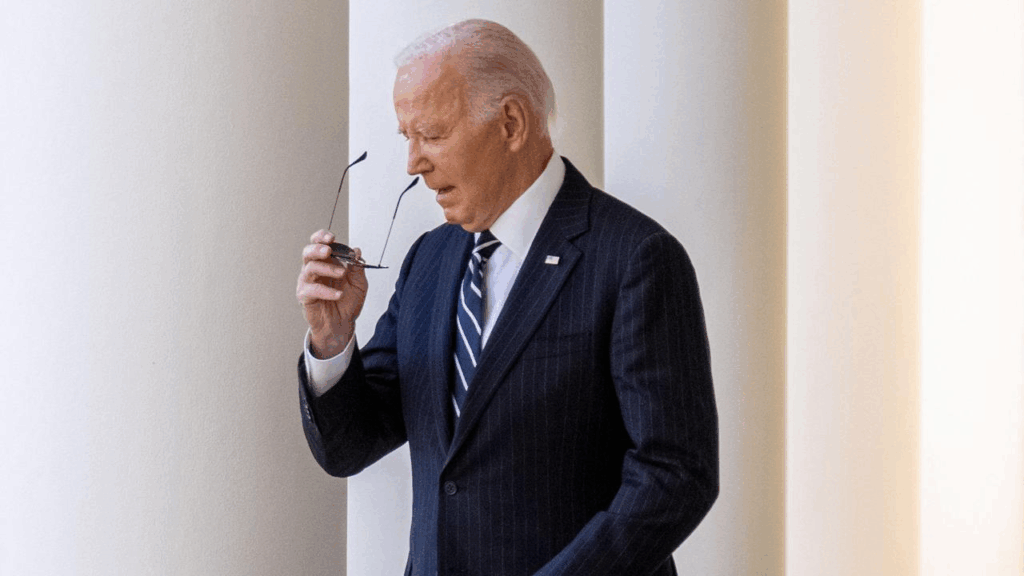
The recent news of former President Joe Biden’s prostate cancer diagnosis has once again drawn national attention to the critical issue of cancer care in America. As the nation wishes him a full recovery, Biden’s case highlights how the U.S. supports its highest officeholders—former presidents—through early diagnosis, cutting-edge treatment, and coordinated recovery programs.
From presidential suites at Walter Reed to the front lines of federal policy, cancer patients in the Oval Office benefit from a legacy of medical innovation and strategic health initiatives aimed at transforming the journey from diagnosis to recovery. This article explores how America delivers world-class cancer care for its leaders—and how their experiences help shape the nation’s approach to cancer treatment and survivorship.
Presidential cancer care: Diagnosis, treatment, and policy impact
Former President Biden, 82, was diagnosed with prostate cancer earlier this year, a disease affecting about one in eight men during their lifetime. His cancer was detected early through routine screening and is being managed through a regimen that may include precision medicine, hormone therapy, and possibly targeted drugs approaches that represent the forefront of prostate cancer treatment.
Former presidents, by virtue of their role, receive healthcare from elite multidisciplinary teams including oncologists, radiologists, and geneticists from top institutions such as Walter Reed National Military Medical Center and the National Institutes of Health (NIH). The prognosis for early-stage prostate cancer, particularly when managed with such resources, is overwhelmingly positive.
Beyond personal care, a presidential cancer diagnosis often serves as a platform to amplify awareness, funding, and federal action in the fight against cancer.
Historical context
Joe Biden is not the first U.S. president to confront cancer. The history of presidential illness has had a lasting impact on public consciousness and healthcare policy:
- Jimmy Carter, diagnosed with metastatic melanoma in 2015, survived due to breakthrough immunotherapy. His case raised public awareness about clinical trials and the promise of cutting-edge treatments.
- Ronald Reagan underwent surgery for colon cancer in 1985 while in office. His diagnosis significantly boosted public education campaigns on colorectal screening.
- George H.W. Bush, though primarily afflicted with non-cancerous illnesses, brought attention to chronic conditions and early intervention through his openness about his medical challenges.
These personal health battles have consistently translated into public interest, research momentum, and better access to screening programs.
Access to cutting-edge care: What sets presidential treatment apart
Presidential care often includes:
- Precision Medicine: Treatments based on genetic, environmental, and lifestyle factors.
- Multidisciplinary Coordination: Seamless collaboration among specialists for holistic care.
- Clinical Trial Access: Participation in promising therapies before they’re widely available.
While this level of care is exceptional, its ripple effects through federal investment and advocacy have elevated the national standard for cancer care, benefiting millions of Americans.
Policy initiatives: Transforming cancer care for all Americans
Several presidential administrations have turned cancer experiences into transformative policy action:
- Cancer Moonshot (launched by President Obama and then–Vice President Biden): Aims to accelerate cancer research, improve detection, and enhance collaboration between agencies.
- Precision Medicine Initiative: Focuses on individualized care, driven by data and patient-specific factors.
- NIH and NCI Funding: Robust financial backing from the federal government continues to support pioneering treatments like CAR-T therapy, immunotherapy, and AI-based diagnostics.
These initiatives not only improved presidential and elite care but also widened access to underserved communities through expanded research infrastructure and outreach programs.
Shared legacy, Shared lessons
While former presidents may receive specialized care and visibility, their battles with cancer reveal universal themes—early detection, timely treatment, and the importance of policy in improving outcomes. Their experiences often spark national conversations that help direct attention and resources to the broader population.
From diagnosis to recovery, a national commitment
From the Oval Office to everyday clinics, the United States continues evolving its cancer care approach. Former President Biden’s diagnosis underscores the importance of access, innovation, and support, not just for the few but for the many. Through policy leadership, medical excellence, and visibility, America’s commitment to cancer care remains unwavering.
As science advances and policies adapt, the journey from diagnosis to recovery is becoming more hopeful for all Americans, inspired by those who once led the nation and now champion the cause from a different battlefield.