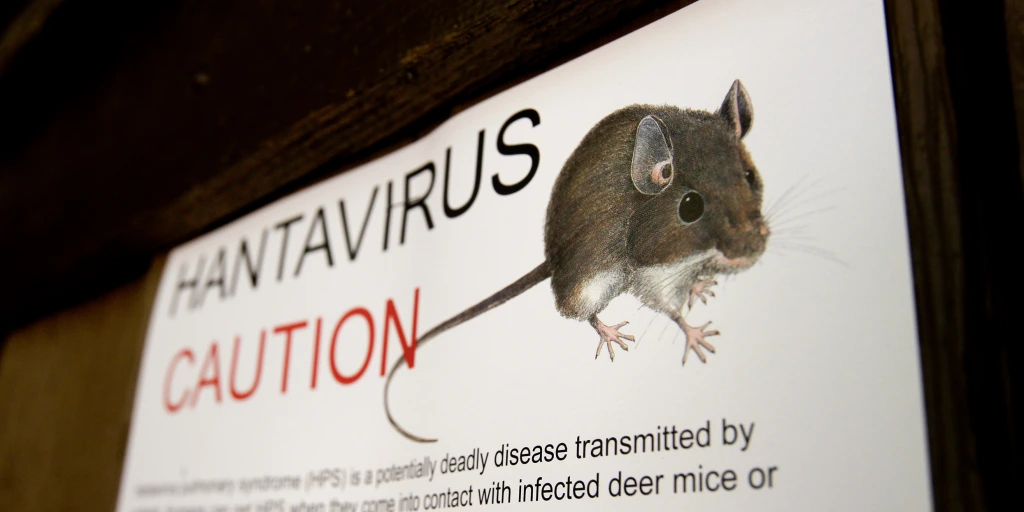
A suspected hantavirus outbreak on a cruise ship has left three people dead and several others ill, according to global health authorities. While investigations are still ongoing, the incident has renewed attention on a rare but potentially deadly disease that is typically linked to rodents—not crowded passenger vessels.
The situation remains under review by the World Health Organization (WHO), which says laboratory testing and genetic sequencing are underway to confirm the source and nature of the outbreak.
What Is Hantavirus and Why Is It Dangerous?
Hantavirus refers to a group of viruses primarily spread by rodents. Though relatively rare, infections can escalate quickly and become life-threatening.
Two major syndromes linked to hantavirus
Hantavirus infections manifest differently depending on the strain:
- Hantavirus Pulmonary Syndrome (HPS)
- Found mainly in the Americas
- Affects the lungs
- Fatality rate: around 35%
- Hemorrhagic Fever with Renal Syndrome (HFRS)
- More common in Europe and Asia
- Affects kidneys and blood vessels
- Fatality rate: 1% to 15%
Health officials say the cruise ship outbreak may involve one of these forms, but confirmation is pending.
How Does Hantavirus Spread?
Primarily through rodent exposure
Hantavirus is not typically associated with person-to-person spread. Instead, infection usually occurs when people come into contact with infected rodents or their waste.
Common transmission routes include:
- Inhaling air contaminated with rodent urine, droppings, or saliva
- Touching contaminated surfaces and then touching the face
- Entering enclosed, poorly ventilated spaces with rodent activity
Even routine activities—like cleaning a storage room or cabin—can pose risks if proper precautions aren’t taken.
The WHO notes that while rare, limited human-to-human transmission has been documented in specific cases.
Why a Cruise Ship Outbreak Is Unusual
A setting not typically associated with hantavirus
Cruise ships are not common environments for hantavirus transmission. That’s what makes this outbreak noteworthy.
Possible explanations being explored include:
- Rodent presence in storage or maintenance areas
- Contaminated supplies brought onboard
- Exposure during excursions or at port stops
The World Health Organization is conducting:
- Epidemiological tracing
- Environmental assessments
- Viral genome sequencing
These steps will help determine whether the infections stem from a single source or multiple exposures.
Where Has Hantavirus Been Seen Before?
A global but uneven distribution
Hantaviruses have existed for centuries, with outbreaks recorded across the following:
- Asia and Europe (primarily HFRS cases)
- North America (mainly HPS cases)
In the U.S., most infections occur in western states, particularly
- New Mexico
- Arizona
The virus first gained widespread attention in the U.S. after a 1993 outbreak in the Four Corners region, prompting the Centers for Disease Control and Prevention (CDC) to begin systematic tracking.
Symptoms: Why It’s Often Mistaken for the Flu
Early signs can be misleading
One of the challenges with hantavirus is that its initial symptoms can resemble those of common viral illnesses.
Early symptoms include:
- Fever
- Chills
- Muscle aches
- Headache
As the disease progresses, especially in HPS, symptoms can worsen rapidly:
- Shortness of breath
- Chest tightness
- Fluid buildup in the lungs
Symptoms typically appear 1 to 8 weeks after exposure, making it harder to trace the source.
How Severe Is It?
High fatality, rapid progression
Hantavirus infections can deteriorate quickly:
- Patients may go from mild symptoms to severe respiratory distress within days
- Intensive care is often required
- There is no specific antiviral cure
Mortality rates depend on the strain:
- HPS: ~35%
- HFRS: 1–15%
Early medical intervention significantly improves survival odds.
What Makes Hantavirus So Hard to Study?
Key questions remain unanswered
Despite decades of research, scientists are still working to understand the following:
- Why are some cases mild while others are fatal
- How immunity develops after infection
- What determines susceptibility
Researchers continue long-term studies to identify potential treatments and vaccines.
Prevention: How to Protect Yourself
Minimize exposure to rodents
Public health experts emphasize prevention as the most effective defense.
Key safety measures include the following:
- Avoid contact with rodents and their droppings
- Use gloves and disinfectant (bleach solution) when cleaning
- Ensure good ventilation in enclosed spaces
- Seal gaps in homes or cabins to prevent rodent entry
What NOT to do
- Do not sweep or vacuum rodent droppings
- This can release virus particles into the air
- Avoid dry cleaning methods that disturb contaminated dust
Why This Outbreak Matters
The suspected hantavirus outbreak on a cruise ship raises broader concerns:
1. Changing risk environments
Diseases typically associated with rural settings may appear in unexpected places.
2. Global mobility and disease spread
Cruise ships bring together people from multiple regions, increasing exposure complexity.
3. Surveillance challenges
Delayed symptoms and unclear transmission pathways make containment harder.
TL;DR
- A suspected hantavirus outbreak on a cruise ship has killed three people.
- The virus spreads mainly through contact with infected rodents or their droppings.
- Early symptoms resemble the flu but can escalate rapidly.
- There is no cure, but early treatment improves survival chances.
- Prevention focuses on avoiding rodent exposure and safe cleaning practices.