
Why Are US-Russia Tensions Rising Right Now?
The relationship between the United States and Russia has reached a new level of strain. In October 2025, the US imposed sweeping new sanctions on key Russian oil companies, responding to ongoing conflicts and allegations of aggressive Russian behavior in Ukraine and cyberspace. Facing financial pressure, Moscow responded with military muscle, launching sweeping nuclear drills across its strategic forces.
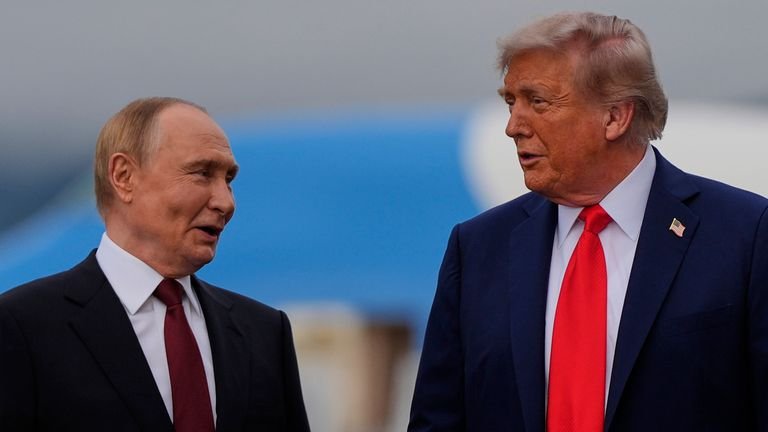
These events didn’t happen in isolation. Only days before, a planned summit between President Trump and Russian President Vladimir Putin collapsed, and diplomatic exchanges between Washington and Moscow nearly froze. As the situation unfolds, many are asking: Are these signs of a historic breaking point?
What Do Russia’s Nuclear Drills Signal?
Russia’s recent nuclear drills were more than routine exercises. Supervised personally by President Putin, these displays tested all branches of Russia’s nuclear “triad”:
- Land-based missile forces
- Submarine-launched ballistic missiles
- Strategic bombers
Missile launches from silos, subs, and aircraft were tracked in real time, signaling Moscow’s capability and willingness to respond decisively to perceived threats. Globally, these exercises were immediately interpreted as an answer to fresh US sanctions and NATO military movements. The Kremlin’s intent is clear: demonstrate readiness and deter Western escalation.
How Did Diplomatic Channels Fail?
Diplomacy has long been the safety valve in US-Russia relations, preventing military standoffs from spiraling. In the last month, however, that system faltered.
- White House delays and new restrictions closed the door on a long-anticipated Trump–Putin summit.
- Back-channel communications were described as “icy,” with few constructive exchanges.
- Russia publicly accused the US of “abandoning dialogue,” while Washington cited ongoing Russian transgressions in Ukraine and cyber operations as non-starters for talks.
With direct diplomacy off the table, both countries have pivoted to strategic messaging in the press and on the battlefield.
Are We Seeing a New Cold War?
Comparisons with the Cold War are frequent but not always precise. While both sides engage in sanctions, military drills, and rhetoric, today’s standoff is shaped by:
- Greater global economic interdependence
- Real-time digital escalation (cyber attacks, information warfare)
- Multipolar dynamics (NATO, EU, China’s role)
Unlike Cold War “hotline” moments, where leaders raced to prevent miscalculation, analysts say current US-Russia tension lacks reliable crisis management tools. Many warn that the combination of diplomatic chill and nuclear posturing increases the risk of accidental escalation.
What Could Happen Next?
The situation remains volatile. Possible scenarios include:
- Escalation: Increased military exercises, further sanctions, and retaliatory cyber moves.
- Freeze: Both sides dig in, worsening the global mood but avoiding open conflict.
- Reset: Third parties (EU, China) broker limited exchanges, or a smaller technical agreement reopens dialogue.
For now, most experts urge vigilance over optimism, focusing on signals like hotline re-activations, summit rescheduling, or surprise public statements.
TL;DR
- US-Russia tension peaked with US sanctioning Russian oil, Russia launching nuclear drills, and abandoning high-level talks.
- Risks have grown as diplomacy falters and military posturing intensifies.
- Analysts warn about a lack of crisis-management safeguards reminiscent of the Cold War.