Japan is undertaking one of the most significant national security reforms in its postwar history by establishing its first centralised intelligence agency since World War II. The move reflects growing concern over cyber threats, espionage, and geopolitical tensions in East Asia, as Tokyo seeks to modernise its intelligence capabilities in response to an increasingly volatile security environment.
The new organisation, expected to begin operations by the end of 2026, is designed to replace Japan’s long-criticised, fragmented intelligence system with a centralized structure capable of coordinating information across government agencies. The initiative also signals a broader shift in Japan’s national security strategy as it responds to challenges posed by China, Russia, and North Korea.
Why Is Japan Creating a Centralised Intelligence Agency?
For decades, Japan’s intelligence functions have been spread across multiple ministries and agencies, including the Ministry of Defense, the Ministry of Foreign Affairs, and police organisations. Critics have argued that this decentralised structure slows intelligence sharing, complicates decision-making, and creates gaps in responding to modern threats.
The new agency is intended to address these shortcomings by bringing intelligence collection, analysis, and coordination under a more unified framework.
The reform comes as Japan faces a rapidly changing security landscape marked by:
- China’s expanding military activities in the East China Sea and around Taiwan.
- North Korea’s continued missile launches and nuclear weapons development.
- Russia’s growing military cooperation with China and alleged espionage activities in the region.
- An increase in cyberattacks and foreign influence campaigns targeting governments and critical infrastructure.
Japanese policymakers believe a centralized intelligence system will improve the country’s ability to detect and respond to these threats more efficiently.
How Will the New Intelligence Agency Be Structured?
Rather than creating a single intelligence service modelled after the U.S. Central Intelligence Agency (CIA) or the United Kingdom’s MI6, Japan plans to establish two central coordinating bodies.
National Intelligence Council (NIC)
The National Intelligence Council will serve as the government’s highest-level intelligence coordination body.
According to the proposed framework:
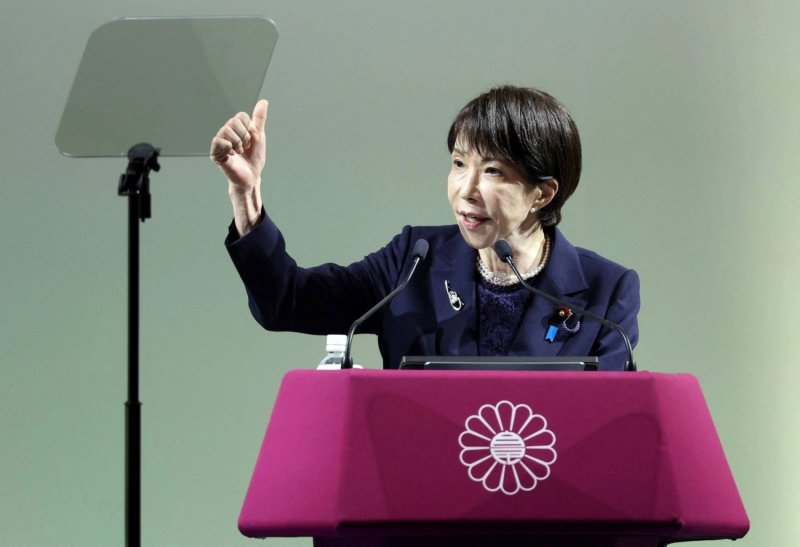
- Prime Minister Sanae Takaichi will chair it.
- Senior cabinet officials and intelligence leaders will participate in strategic decision-making.
- It will coordinate national security priorities and oversee intelligence policy.
The council is expected to function as the government’s primary forum for evaluating national security threats.
National Intelligence Bureau (NIB)
Working beneath the council, the National Intelligence Bureau will be responsible for:
- Collecting intelligence from government agencies.
- Analyzing domestic and foreign intelligence.
- Producing national intelligence assessments.
- Coordinating information sharing across ministries.
Instead of replacing every existing intelligence unit, the bureau will integrate information from multiple departments to create a more comprehensive national intelligence picture.
Why Are China, Russia, and North Korea Driving the Reform?
The government’s decision is closely tied to growing regional security concerns.
China
Japan has repeatedly expressed concern over China’s military modernisation and increasing naval and air operations near Japanese territory.
Beijing’s activities around the Senkaku Islands and Taiwan have heightened Tokyo’s focus on intelligence collection and early warning capabilities.
Russia
Reports have suggested that Russian intelligence operations in Asia have intensified since Western sanctions were imposed following Russia’s invasion of Ukraine.
According to reporting by The New York Times, Russian intelligence officers have allegedly attempted to obtain sensitive technology and restricted components through activities in Japan to circumvent international sanctions.
Strengthening counterintelligence capabilities has therefore become an increasingly important objective for Japanese authorities.
North Korea
North Korea continues to conduct ballistic missile tests while advancing its nuclear weapons program.
Many of these missile launches have passed near or over Japanese territory, reinforcing concerns about regional instability.
A centralized intelligence system is expected to improve Japan’s ability to:
- Monitor missile developments.
- Analyse military activity.
- Share intelligence quickly across defense agencies.
- Coordinate responses with allies.
What Will the New Agency Actually Do?
The agency’s responsibilities will extend well beyond traditional espionage.
Its expected missions include:
- Detecting foreign intelligence operations.
- Preventing industrial and economic espionage.
- Protecting classified government information.
- Responding to cyberattacks targeting public institutions.
- Monitoring foreign influence and disinformation campaigns.
- Coordinating intelligence assessments across ministries.
- Supporting national security decision-making.
Cybersecurity is expected to become one of its major priorities as governments increasingly confront digital threats alongside conventional military risks.
Support From Western Allies
Although Japan is building the agency independently, reports indicate that several allied countries have quietly shared expertise during its development.
These reportedly include:
- United States – advice on cyber defense, intelligence integration, and counterintelligence.
- Germany – discussions on intelligence cooperation and organizational design.
- Australia – collaboration on regional security and intelligence sharing.
Japan has steadily expanded intelligence cooperation with members of the U.S.-led alliance network over the past decade, particularly in response to Indo-Pacific security challenges.
Privacy Concerns Remain
Not everyone in Japan supports the expanded intelligence capabilities.
Opposition lawmakers and civil liberties advocates have expressed concern that broader surveillance powers could affect privacy rights and government transparency.
Critics argue that stronger intelligence agencies should be accompanied by:
- Independent oversight.
- Parliamentary accountability.
- Judicial safeguards.
- Clear legal limits on surveillance activities.
Balancing national security with civil liberties is expected to remain a central issue as legislation governing the agency moves forward.
When Will the Agency Begin Operations?
The government expects the organization to begin operations by December 2026.
According to available reports:
- Estimated budget: approximately $407 million.
- Initial workforce: several hundred personnel.
- Coordinated intelligence community: around 33,000 professionals, including intelligence officers, cybersecurity specialists, software engineers, and analysts working across existing government agencies.
The centralized structure is intended to improve cooperation rather than replace every intelligence function currently operating within Japanese ministries.
Why This Marks a Historic Shift
Since the end of World War II, Japan has maintained relatively limited intelligence capabilities compared with many Western nations, reflecting constitutional constraints and a postwar emphasis on defensive security policies.
Over the past decade, however, Japan has steadily expanded its defense spending, strengthened cybersecurity, enhanced military cooperation with allies, and revised aspects of its national security strategy.
The creation of a centralized intelligence agency represents another step in that broader evolution.
If implemented as planned, it will give Japan a more integrated system for gathering, analyzing, and sharing intelligence at a time when cyber threats, foreign interference, and geopolitical competition are becoming increasingly interconnected.
Whether the reform succeeds will likely depend not only on its operational effectiveness but also on how well Japan balances stronger intelligence capabilities with democratic oversight and the protection of civil liberties.