
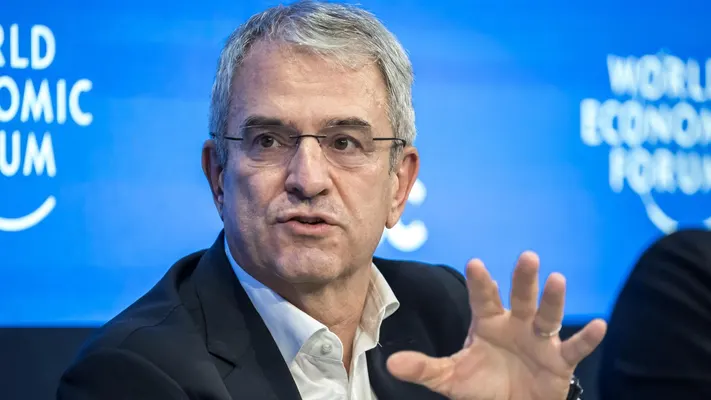
Nestle’s sudden dismissal of its CEO, Laurent Freixe, has rocked one of the world’s largest consumer goods companies. The affair centers on a workplace relationship, a whistleblower complaint, and an investigation that ultimately toppled a decades-long career.
What triggered Nestlé’s investigation?
The controversy began when concerns were raised about Mr. Freixe’s relationship with a junior employee through Nestle’s whistleblowing forum, “Tell Us.” This platform allows employees and external stakeholders to flag potential violations such as conflicts of interest, harassment, or breaches of company principles.
While the initial inquiry did not substantiate the allegations, a second wave of complaints pointed to favoritism and conflicts of interest. These new claims prompted Nestlé to escalate the probe and bring in external counsel.
The investigation was overseen by Nestle chairman Paul Bulcke and independent director Pablo Isla. Their conclusion: the CEO violated company policies by engaging in a concealed romantic relationship with a subordinate.
Why was Laurent Freixe dismissed without a payout?
Nestle confirmed that Freixe would not receive an exit package, underscoring the seriousness of the breach. For global corporations, withholding severance is rare and signals that the misconduct was considered incompatible with leadership responsibilities.
Bulcke emphasized the company’s governance standards in a statement:
“This was a necessary decision. Nestle’s values and governance are strong foundations of our company. I thank Laurent for his years of service.”
Who is Laurent Freixe, and why does this matter?
Freixe had been with Nestlé since 1986, working his way up through senior roles across Europe and Latin America. In September 2024, he was elevated to CEO after Mark Schneider’s departure, tasked with reviving sales, stabilizing profits, and refocusing Nestlé on core brands.
His tenure was brief—less than a year—and turbulent. During his leadership:
- Nestle’s share price dropped nearly 17%, reflecting investor concerns about slowing global demand.
- French authorities raided Nestlé’s offices in July 2025 over alleged unauthorized filtration methods in its bottled water business.
- Rising competition and consumer backlash against processed foods put additional pressure on the company’s margins.
His sudden exit adds instability at a time when Nestlé can least afford it.
How does this compare to other corporate scandals?
Freixe’s downfall highlights a recurring theme in corporate governance: relationships between executives and junior staff are high-risk, even when consensual. Similar cases in recent years include:
- McDonald’s: Former CEO Steve Easterbrook was fired in 2019 for violating company policy by engaging in a relationship with an employee. He later forfeited millions in stock options.
- Intel: CEO Brian Krzanich resigned in 2018 after it was revealed he had a past relationship with a subordinate.
In both cases, companies acted decisively to protect reputations and uphold governance codes. Nestle’s move fits within this growing global trend of zero tolerance for executive misconduct.
What happens next for Nestlé?
The board appointed Philipp Navratil, previously head of Nespresso, as Freixe’s successor. Navratil joined Nestlé in 2001 and has held leadership positions in Latin America and across its coffee business. Earlier this year, he was elevated to the executive board, signaling that the company had already been grooming him for higher responsibilities.
Industry analysts suggest that Navratil’s appointment could bring stability, but he faces steep challenges:
- Rebuilding trust with employees after the whistleblower revelations.
- Steering Nestle through regulatory scrutiny in Europe.
- Reviving investor confidence amid shrinking profit margins.
Why this story matters beyond Nestle
This episode is more than just corporate gossip—it raises deeper questions about ethics, power, and transparency in global companies.
- Workplace ethics: Romantic relationships between executives and junior staff almost always create power imbalances and conflicts of interest.
- Corporate governance: Shareholders, regulators, and employees increasingly demand stricter accountability from top leaders.
- Transparency tools: Nestle’s “Tell Us” platform demonstrates how whistleblower systems can act as crucial safeguards for corporate integrity.
The bigger picture
As multinational corporations face public and investor scrutiny, boards are under pressure to act quickly when ethical breaches occur. Nestle’s handling of the Freixe case shows that even long-serving executives with strong track records are not immune.
This serves as a cautionary tale: in today’s corporate environment, trust and transparency are as important as financial performance.
TL;DR
Nestlé fired CEO Laurent Freixe after an internal probe confirmed he had a secret relationship with a junior employee. Complaints filed through the company’s whistleblowing system led to the investigation. Freixe, who had been CEO for less than a year, will not receive an exit package. He is replaced by Nespresso chief Philipp Navratil as Nestlé faces financial and regulatory challenges.