
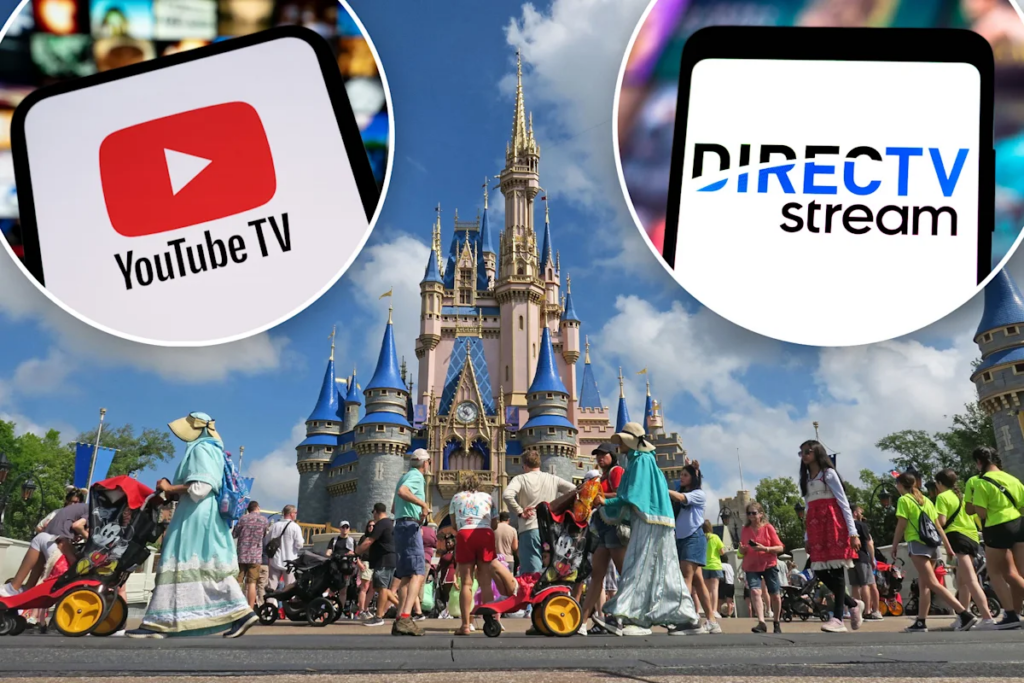
The Walt Disney Company has agreed to pay $50 million to settle a class-action lawsuit accusing it of driving up the cost of live TV streaming services such as YouTube TV and DirecTV Stream. While Disney denies any wrongdoing, the settlement could provide compensation to millions of subscribers who paid for streaming television packages between 2019 and 2026.
The case shines a spotlight on one of the biggest debates in the streaming industry: whether media giants use their most valuable channels to force distributors into carrying expensive bundles that ultimately raise costs for consumers.
What was Disney accused of?
The lawsuit, originally filed in November 2022 in federal court in California, alleged that Disney used its control of highly sought-after channels, particularly ESPN, to impose anticompetitive conditions on streaming TV providers.
According to the complaint, Disney required distributors such as YouTube TV and DirecTV Stream to include ESPN and other Disney-owned networks in their standard channel packages rather than offering them as optional add-ons.
Plaintiffs argued that this practice left streaming providers with little choice but to pass higher programming costs on to subscribers.
The lawsuit claimed Disney entered into anticompetitive agreements with live TV streaming distributors and used its market influence to keep prices elevated across the industry.
Why ESPN was at the center of the lawsuit
ESPN remains one of the most valuable assets in the pay-TV ecosystem.
Live sports continue to attract large audiences, making ESPN a must-have channel for most television providers. Because subscribers often consider sports content essential, distributors risk losing customers if they do not carry ESPN.
The lawsuit argued that Disney leveraged this position to require broader carriage agreements that included multiple Disney-owned networks.
Plaintiffs claimed this gave Disney substantial influence over pricing throughout the streaming live TV market.
How much did YouTube TV prices increase?
One of the key arguments in the complaint involved YouTube TV’s pricing history.
According to court filings:
- YouTube TV’s base package initially cost $35 per month.
- The price later rose to $65 per month.
- Plaintiffs argued that Disney-owned channels contributed significantly to those increases.
The lawsuit also pointed to a 2021 carriage dispute between Disney and YouTube TV. During that standoff, YouTube TV told customers it could reduce subscription prices by $15 per month if Disney channels were removed from the lineup.
Plaintiffs cited that statement as evidence that Disney’s programming carried substantial costs that affected subscriber pricing.
What did the lawsuit claim about Disney’s market power?
The complaint argued that Disney possessed unusual influence within the streaming live pay-TV market because of its portfolio of highly demanded content.
The lawsuit alleged that Disney effectively established a pricing floor across the industry by:
- Charging premium rates for ESPN
- Bundling multiple Disney-owned channels together
- Increasing prices for its own streaming service, Hulu + Live TV
- Negotiating similar carriage terms with competing distributors
Plaintiffs claimed these practices reduced competition and made it harder for streaming providers to offer lower-cost alternatives.
Disney, however, has consistently denied the allegations.
Why did Disney agree to settle?
Like many major corporate settlements, the agreement does not include an admission of wrongdoing.
Companies often settle lengthy antitrust and consumer lawsuits to avoid years of litigation, legal expenses, and uncertainty.
By agreeing to the $50 million payment, Disney avoids a potentially lengthy court battle and a jury trial that could have generated greater financial or reputational risks.
The settlement was reportedly reached in March 2026.
Who could receive money from the settlement?
According to settlement documents, eligible consumers include subscribers who used one or more of the following services:
- YouTube TV
- DirecTV Stream
- DirecTV Now
- AT&T TV Now
To qualify, consumers must have subscribed during the period between:
April 1, 2019 and March 31, 2026
The exact amount each eligible customer may receive will depend on:
- The number of valid claims submitted
- Court approval of the settlement
- Administrative costs
- The final distribution formula
Because millions of subscribers may qualify, individual payouts could vary significantly.
A potential change to Disney’s channel strategy
One notable aspect of the settlement goes beyond the financial payment.
Disney has agreed to consider offering distributors more flexibility in channel packaging for three years after settlement approval.
Specifically, the company will evaluate giving distributors the option to carry fewer Disney-owned channels.
While the agreement stops short of requiring Disney to change its business practices, it signals growing pressure on traditional channel bundling models.
This provision could eventually lead to:
- More customizable channel packages
- Lower-cost subscription options
- Increased competition among streaming providers
- Greater consumer choice
However, Disney is only obligated to consider these alternatives rather than implement them.
Why this case matters for streaming subscribers
The lawsuit highlights a broader issue facing the television industry.
Many consumers switched from cable to streaming services expecting lower prices and greater flexibility. Yet over time, live TV streaming packages have experienced significant price increases as content costs have risen.
Major media companies continue to rely on carriage fees from distributors to support expensive programming, especially sports content.
As a result, consumers often find themselves paying for large channel bundles even when they watch only a small portion of the available networks.
The Disney settlement reflects growing scrutiny of how media companies negotiate distribution agreements and how those deals ultimately affect household bills.
Could this reshape the streaming TV industry?
The settlement is unlikely to transform the industry overnight, but it adds momentum to ongoing debates about channel bundling and consumer choice.
Media companies face increasing pressure from:
- Cord-cutting trends
- Rising streaming competition
- Consumer demand for smaller bundles
- Regulatory scrutiny of market power
If distributors gain more flexibility in future negotiations, streaming TV packages could become more customizable and potentially more affordable.
At the same time, content owners such as Disney will continue balancing consumer preferences against the need to fund premium programming, especially live sports.
TL;DR
- Disney has agreed to pay $50 million to settle a class-action lawsuit.
- The lawsuit alleged Disney inflated streaming TV prices through channel bundling requirements.
- ESPN was at the center of the complaint because of its importance to distributors.
- Eligible subscribers include customers of YouTube TV, DirecTV Stream, DirecTV Now, and AT&T TV Now between April 2019 and March 2026.
- Disney denies wrongdoing but agreed to settle.
- The company will consider offering distributors more flexible channel packaging options for three years.