
TL;DR
- Cierra Ortega was removed from Love Island USA after past racist posts resurfaced.
- Fans uncovered the posts on TikTok and demanded immediate removal.
- Viewers are now questioning the show’s delay in response compared to similar cases like Yulissa Escobar.
- This incident is part of a larger trend of reality shows failing to vet contestants and respond consistently to racism scandals.
What Did Cierra Ortega Say—and How Fast Did Fans React?
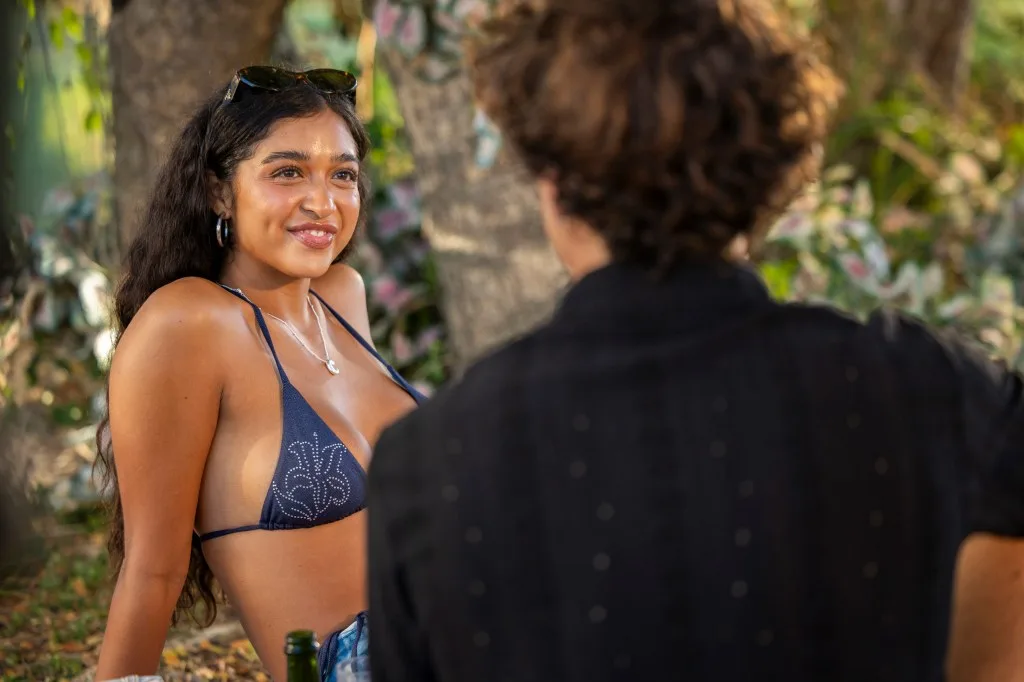
Cierra Ortega, a contestant on Season 7 of Love Island USA, faced a swift and severe backlash when old social media posts resurfaced showing her using a racial slur.
In a 2020 TikTok video, Ortega made a comment referencing Asian features while using a slur considered deeply offensive within the Asian community. Another post from 2015 surfaced shortly after, compounding the backlash.
The response was immediate:
- Over 200,000 followers dropped from Ortega’s Instagram account in just 48 hours.
- TikTok exploded with hashtag campaigns like #CierraOut and #StopAsianHate.
- Reddit sleuths and fan accounts unearthed additional screenshots and demanded an official response.
Why Didn’t Love Island React Sooner?
Viewers were quick to point out a troubling inconsistency: earlier this season, contestant Yulissa Escobar was removed promptly after a video of her using the N-word was circulated.
In Ortega’s case, producers stayed silent for nearly two days. When her departure was finally addressed, it was described vaguely as due to a “personal situation.”
This has led many fans to accuse the show of double standards:
- Was her ongoing relationship with contestant Nic Vansteenberghe a factor in the delay?
- Did the production team fear disrupting a promising storyline?
- Was the show slow to respond because the backlash wasn’t as immediate in mainstream media?
The Pattern: Reality TV’s Ongoing Vetting Problem
The Ortega case isn’t isolated. Reality TV has a growing problem with cast members being “cancelled” after old racist, sexist, or otherwise offensive content resurfaces. And it’s not just Love Island:
Celebrity Big Brother (2007)
British contestants hurled racist insults at Bollywood actress Shilpa Shetty, sparking global outrage and forcing an on-air apology.
The Bachelor Franchise
Numerous contestants have been exposed post-casting for racist tweets or photos, prompting apologies and crisis PR maneuvers.
Hollywood Films and Streaming Series
Even shows with “diverse” casts have seen creators and actors called out for past slurs or offensive jokes.
The trend shows one thing clearly: diversity in front of the camera doesn’t excuse a lack of background checks behind the scenes.
How TikTok Became the Judge and Jury
What once took media cycles now happens in minutes. TikTok and Reddit have become the new vetting agencies, with users scanning archives, screenshots, and even cached content to hold reality stars accountable.
Ortega’s posts trended on TikTok before any mainstream outlet picked up the story. In many ways, Love Island was forced into action by public pressure, not preemptive responsibility.
This also means damage control is no longer just about issuing an apology. It’s about real-time transparency and consequences.
What Can Shows Do Better?
1. Improve Vetting
Use technology and social listening to screen contestants’ social histories beyond a basic background check.
2. Act Fast, Explain Clearly
When issues arise, don’t hide behind euphemisms. Fans expect transparency, especially when racism is involved.
3. Apply Standards Equally
Whether it’s Ortega or Escobar, viewers want consistent consequences. Anything else feels like favoritism.
Final Thoughts: The Clock Is Ticking
Cierra Ortega’s departure raises more than a PR dilemma. It exposes how entertainment producers still lag behind the audiences they serve.
The modern viewer is not just watching the show—they’re watching the people behind the show, too. And if producers aren’t willing to vet properly or act promptly, TikTok will do it for them.