What are the two new seasons, and how did they emerge?
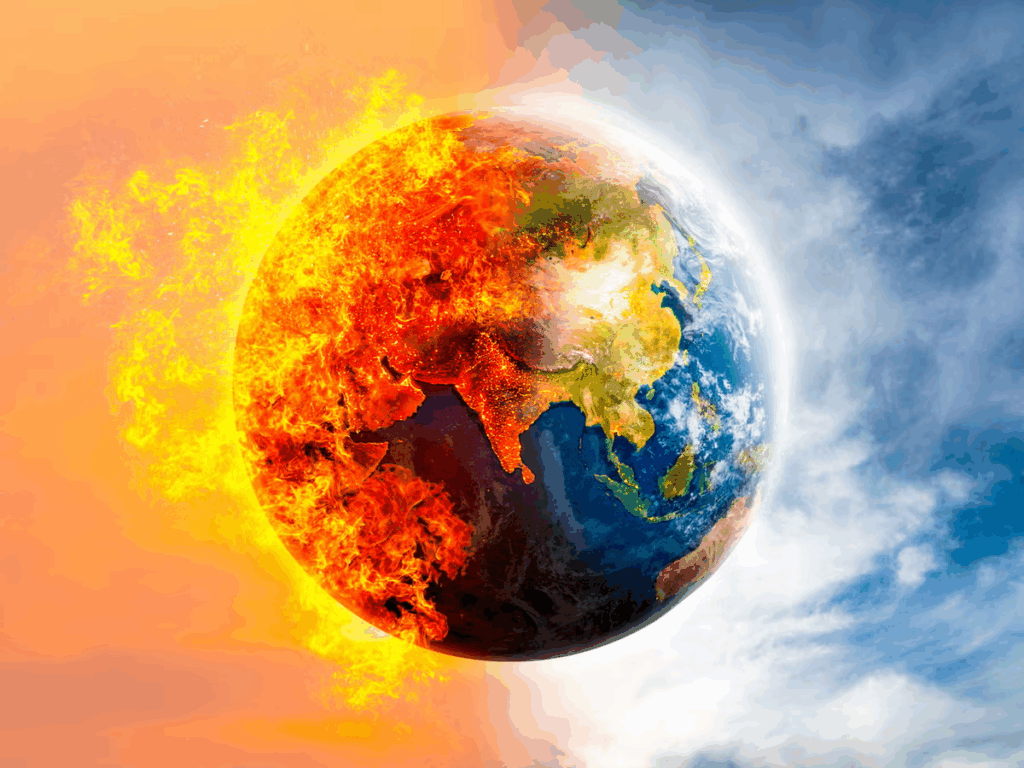
Climate change isn’t just melting glaciers or raising sea levels; it’s rewriting the calendar. Scientists now say Earth has effectively developed two additional “seasons” thanks to human impact: haze season and trash season. These aren’t quaint meteorological anomalies. They’re ecological disasters masquerading as seasonal patterns, upending ecosystems, harming public health, and further destabilizing the natural rhythms of our planet.
These seasons have emerged in recent decades due to intensifying wildfire activity, ocean current changes, and plastic pollution — all rooted in unsustainable human behavior. The concept was outlined in a recent study by researchers at the London School of Economics and Political Science.
What is haze season, and where is it most visible?
Southeast Asia’s choking skies
Haze season typically runs from June through September, aligning with dry months in Southeast Asia. The major culprit? Intentional fires set to clear agricultural land — a cost-saving but ecologically devastating method of preparing for new planting cycles. Countries such as Indonesia, Malaysia, and India are hit hardest.
The smoke is rich in particulate matter, nitrogen dioxide, and other toxic chemicals, leading to health advisories across cities. Singapore and Thailand often find themselves enveloped in a choking cloud that travels across borders.
India’s winter smog: A parallel crisis
In northern India, a similar pattern unfolds from October to January, especially in states like Punjab, Haryana, and Delhi. This haze isn’t just unpleasant; it’s deadly. The smog, intensified by crop stubble burning and industrial emissions, spikes asthma attacks, strokes, and heart issues.
The haze crosses the Pacific
North America isn’t immune. Wildfire seasons in California, Oregon, and Canada have grown longer and more severe. Wildfire smoke now regularly blankets parts of the Northeast US, including New York and New Jersey, triggering air quality alerts and respiratory concerns.
What is trash season, and why is it happening?
Plastic tides in Southeast Asia
From December to March, coastlines in Indonesia (especially Bali), the Philippines, and Thailand transform into dumping grounds — not by local littering, but due to changing ocean currents powered by shifting monsoon winds. These currents collect floating plastic debris and dump it along tourist-heavy beaches.
What once felt like an occasional nuisance has now become a predictable event. Locals even prepare cleanup operations ahead of the trash’s arrival. Marine life suffers immensely, with turtles, seabirds, and fish ingesting or becoming entangled in plastic.
A similar story on the US East Coast
During summer months, the Gulf Stream, a powerful Atlantic Ocean current, transports oceanic debris toward the Florida coast and the Carolinas. While not as severe as the Southeast Asian trash season, the pattern is intensifying due to growing oceanic plastic accumulation.
What does this mean for Earth’s natural rhythm?
Seasonal dislocation
Beyond these new “seasons,” scientists are also documenting a breakdown in traditional seasonal behavior. Spring is arriving earlier in temperate zones, and summer is extending its stay well past its typical bounds.
- In the Andes and Rocky Mountains, snowfall is disappearing, crippling winter tourism and reducing freshwater reservoirs.
- Seabirds like kittiwakes are failing to return to their breeding grounds in northeast England, disrupting nesting cycles.
- These patterns are called arrhythmic shifts, meaning seasons are no longer operating in harmony.
The biological consequences are profound. Pollinators emerge before flowers bloom. Migratory species miss their food windows. Crops suffer reduced yields.
Why does this matter beyond climate headlines?
Public health
The haze season is not just an environmental issue — it’s a public health crisis. Respiratory illness, especially among children and the elderly, skyrockets during haze periods. Cities spend millions combating short-term consequences, while long-term exposure risks include cancer, stroke, and chronic obstructive pulmonary disease (COPD).
Tourism and the economy
Trash season affects tourism revenue, particularly in tropical paradises like Bali and Phuket. Tourists avoid beaches buried under garbage, and local economies suffer. Cleanup costs also burden underfunded municipalities.
Ecological imbalance
Extended summers and shorter winters alter breeding patterns, plant cycles, and water availability. This threatens food security and biodiversity on a global scale.
What can be done to address these ‘new seasons’?
Short-term mitigation
- Stronger regulations on open burning, especially in agricultural regions of Southeast Asia.
- Air quality forecasting systems and public health alerts.
- Seasonal coastal cleanups aligned with monsoonal trash influx patterns.
Long-term strategies
- Global reduction in plastic production and improved waste management, especially in fast-growing economies.
- Investment in climate-resilient infrastructure and urban planning.
- Reforestation and peatland restoration to prevent fire-prone conditions.
- International cooperation, particularly across affected regions like ASEAN countries and the US, is needed to monitor and combat seasonal environmental degradation.
Final thoughts: Seasons are our planet’s heartbeat and it’s skipping
The emergence of haze and trash seasons is more than just an environmental curiosity. It’s an SOS. The planet is telling us that the natural rhythm, once steady and predictable, is breaking down. Recognizing these new seasons should not be an endpoint but a wake-up call to act faster, stronger, and more collectively than ever before.