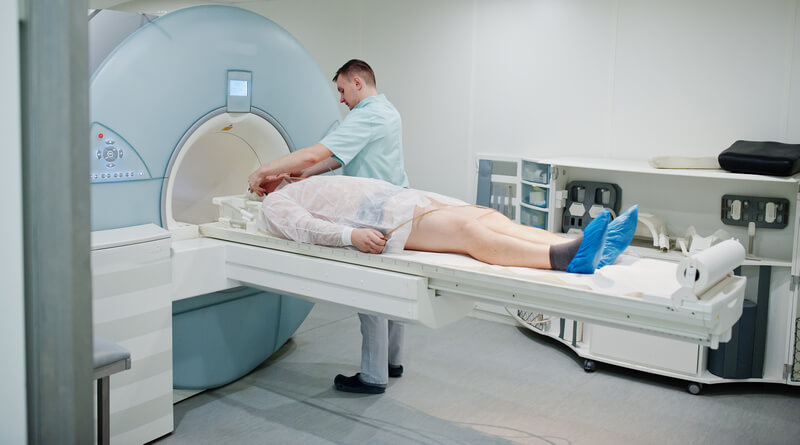
At a major nuclear medicine conference in Vienna this week, researchers warned that certain widely used medications could interfere with diagnostic imaging scans, potentially leading to misinterpretation. Until formal guidelines are established, they’re advising imaging teams to carefully document patients’ drug histories to help physicians make accurate assessments.
What’s the concern with medications and nuclear imaging?
Nuclear imaging, used for diagnosing cancers, heart disease, and neurological disorders, relies on the body absorbing small amounts of radioactive substances (tracers) to highlight activity in organs and tissues. But some common medications may alter how these tracers behave in the body, potentially masking or mimicking signs of disease.
That’s the warning from researchers who presented their findings Tuesday at the 38th Annual Congress of the European Association of Nuclear Medicine (EANM) in Vienna. Their study suggests that, in some cases, medications can impact scan results to the point of raising false alarms or missing real ones.
How do medications interfere with nuclear scans?
It’s not just the disease that lights up
Many nuclear scans depend on radiotracers that bind to or accumulate in specific tissues. For instance:
- PET scans often use fluorodeoxyglucose (FDG) to map glucose metabolism, a key indicator of cancer activity.
- Cardiac imaging may use thallium or technetium tracers to evaluate blood flow in the heart.
But here’s the catch: certain drugs can change metabolic patterns, affect blood flow, or compete with tracers for the same receptors. That means the imaging might reflect the effect of the drug, not the disease.
Examples of possible interference
While the full list of interfering medications is still being researched, early evidence points to these concerns:
- Beta-blockers (commonly prescribed for heart conditions) may reduce tracer uptake in cardiac scans, mimicking reduced blood flow.
- Antidepressants can affect dopamine or serotonin pathways, skewing brain scans intended to detect neurological disorders.
- Steroids and anti-inflammatory drugs may suppress metabolic activity, affecting cancer imaging.
- Some oncology medications themselves interfere with tracer distribution, leading to confusing or conflicting results.
Why this matters: Risks of misdiagnosis and unnecessary treatment
A misread scan isn’t just a minor hiccup. It can lead to:
- Delayed or incorrect diagnoses
- Unnecessary biopsies or surgeries
- Missed disease progression
- Higher healthcare costs
In high-stakes areas like oncology or cardiology, even small imaging errors can have life-altering consequences. That’s why experts are calling for more robust drug history documentation—and eventually, updated scan interpretation guidelines that account for pharmaceutical interference.
What imaging teams are being advised to do
While formal guidance is still in development, the research team behind the EANM presentation recommends one immediate, practical step:
Document medication history in detail—every time
Radiologists and nuclear medicine specialists should not rely solely on patient charts or referral notes. Instead:
- Conduct a dedicated pre-scan medication review.
- Record prescription and over-the-counter drugs, including dosage and timing.
- Communicate medication data clearly in scan reports so that interpreting physicians can adjust their assessments accordingly.
What’s next: Will there be formal scanning guidelines?
The research team emphasized that standardized protocols are urgently needed to minimize diagnostic errors caused by medications. However, developing these guidelines takes time—requiring:
- Larger-scale studies across different patient populations
- Collaboration between imaging experts and pharmacologists
- Input from regulatory and medical associations
Until then, the burden of diligence falls on the imaging centers—and by extension, on patients and providers to keep medication records up to date.
How patients can help reduce risk
Patients undergoing scans can contribute to scan accuracy by:
- Bringing an up-to-date list of medications to every imaging appointment
- Including supplements, vitamins, and herbal remedies
- Not stopping any medication without first consulting their physician
- Informing providers of recent medication changes—even within a few days of the scan
These small steps can help radiologists and physicians make better-informed decisions and avoid costly or dangerous errors.
TL;DR
Some commonly prescribed medications may affect the accuracy of nuclear imaging scans by interfering with how tracers behave in the body. Researchers presented new findings at the 2025 European Association of Nuclear Medicine Congress, urging imaging centers to collect detailed drug histories until official guidelines are issued. Failing to consider these medication effects could lead to mmisdiagnosis or unnecessary treatment.