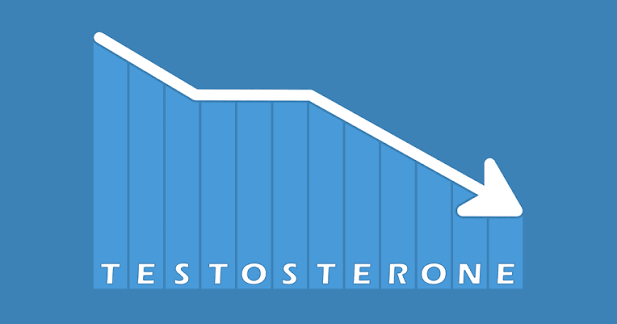
A sweeping new analysis presented at a leading reproductive health conference has raised fresh concerns about men’s health worldwide. Researchers found that average testosterone levels in men declined by an estimated 54% between 1972 and 2019, a trend they describe as a growing public health concern rather than a statistical anomaly.
The findings were presented at the annual meeting of the European Society of Human Reproduction and Embryology (ESHRE) in London. While the research has not yet established a single cause for the decline, scientists say rising obesity rates, diabetes, and possibly environmental exposures could all be contributing factors.
Experts caution, however, that the study identifies an association—not definitive proof of what is driving the decline—and more research is needed before firm conclusions can be drawn.
What did the study find?
The researchers conducted a meta-analysis combining data from six long-term studies that tracked testosterone levels in men over several decades.
The analysis included data from 118,593 men across five countries:
- United States
- Israel
- Brazil
- Finland
- Denmark
The studies covered the period from 1972 to 2019 and each included at least three separate measurement points.
According to the researchers, every individual study showed a decline in testosterone levels. When the results were combined, they estimated an overall reduction of approximately 54%, with the pace of decline appearing to accelerate after 2000.
Professor Hagai Levine of the Hebrew University-Hadassah Braun School of Public Health and Community Medicine, who led the research, described the findings as evidence of a broader crisis in male reproductive health rather than a statistical error.
Why is testosterone important?
Testosterone is the primary male sex hormone, but its role extends far beyond sexual health.
It helps regulate several essential functions, including:
- Sperm production and fertility
- Sex drive (libido)
- Muscle growth and strength
- Bone density
- Energy levels
- Mood and mental well-being
- Fat distribution
- Metabolism
Testosterone levels naturally decline with age. However, researchers are increasingly investigating whether average testosterone levels are falling across entire populations, regardless of aging.
What could be causing the decline?
The study does not identify a single explanation. Instead, researchers point to several factors that may be working together.
Obesity and metabolic disease
Obesity is considered one of the strongest potential contributors.
Excess body fat contains an enzyme called aromatase, which converts testosterone into estrogen. As body fat increases, testosterone levels may decrease.
Professor Levine suggested that obesity and metabolic syndrome could explain between one-quarter and one-half of the observed decline.
Type 2 diabetes and insulin resistance have also been linked to lower testosterone levels in previous research.
Environmental chemicals
Researchers are also examining whether endocrine-disrupting chemicals may be affecting hormone production.
These substances are found in some plastics, pesticides, cosmetics, food packaging, and household products. They can interfere with the body’s hormonal system, although scientists are still studying the extent of their impact on testosterone.
At present, there is no definitive evidence proving these chemicals are responsible for the long-term decline observed in the study.
Climate change and other environmental factors
The researchers also mentioned global warming and broader environmental changes as possible contributors.
Exactly how these factors might influence testosterone production remains unclear, and additional studies will be needed to determine whether such links exist.
Not all experts agree on the causes
While the findings have attracted significant attention, independent experts urge caution.
Professor Channa Jayasena, a reproductive endocrinologist at Imperial College London, said it would be premature to conclude that obesity alone explains the decline.
He emphasised that researchers still need to determine whether environmental exposures, lifestyle changes, or other biological factors are also playing important roles.
His comments underscore an important point: the observed decline appears consistent across studies, but the reasons behind it remain an active area of scientific investigation.
Can low testosterone affect fertility?
Low testosterone can contribute to reduced fertility, but the relationship is more complex than many people realize.
Testosterone is essential for sperm production. However, taking testosterone supplements without medical supervision can sometimes have the opposite effect.
External testosterone therapy can signal the brain to reduce the body’s natural hormone production, which may suppress sperm production and lower fertility.
For this reason, reproductive specialists generally recommend that men concerned about fertility undergo a comprehensive medical evaluation before starting testosterone replacement therapy.
Should men be concerned?
The study does not suggest that every man’s testosterone level has fallen by 54% or that everyone requires treatment.
Testosterone levels vary naturally based on age, genetics, overall health, sleep quality, physical activity, medications, and body weight.
Doctors typically diagnose low testosterone only when laboratory testing confirms persistently low hormone levels and the individual also experiences symptoms such as:
- Reduced sex drive
- Persistent fatigue
- Loss of muscle mass
- Low mood or depression
- Erectile dysfunction
- Reduced bone density
Anyone experiencing these symptoms should consult a healthcare professional rather than self-diagnosing or using over-the-counter hormone products.
What happens next?
The findings add to a growing body of research suggesting that male reproductive health may be changing over time.
However, because the study was presented at a scientific conference, researchers will likely continue analyzing the data and exploring the underlying causes before definitive conclusions are reached.
Future research will focus on understanding how lifestyle, environmental exposures, chronic diseases, and aging interact to influence testosterone levels across populations.
For now, experts agree on one point: maintaining a healthy weight, exercising regularly, eating a balanced diet, getting adequate sleep, and managing chronic conditions such as diabetes remain among the most effective ways to support overall hormonal health.
The bottom line
The new meta-analysis found that average testosterone levels in men declined by an estimated 54% between 1972 and 2019, raising concerns about long-term trends in male reproductive health.
While obesity and metabolic disorders are considered likely contributors, scientists have not identified a single cause. Environmental chemicals, lifestyle changes, and other factors are also being investigated.
Researchers stress that more studies are needed before drawing firm conclusions. In the meantime, men experiencing symptoms of low testosterone should seek medical advice rather than relying on supplements or online claims.