
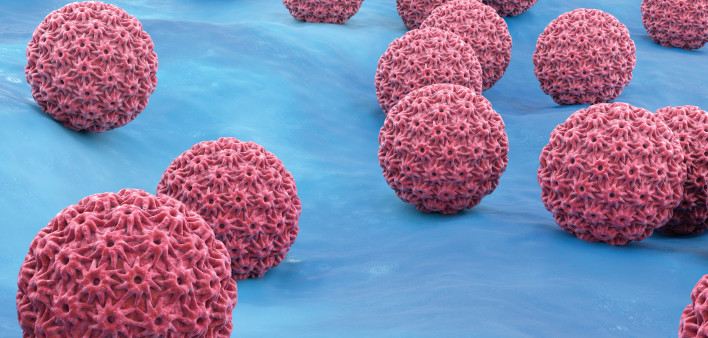
A new study is challenging long-held assumptions about a common strain of human papillomavirus (HPV) and its role in skin cancer. Researchers have discovered that Beta-HPV, previously thought to only worsen ultraviolet (UV) damage, can directly drive cancer growth by integrating into human DNA and hijacking cells.
The findings, published in The New England Journal of Medicine, stem from an extraordinary medical case involving a 34-year-old woman with recurring cutaneous squamous cell carcinoma (cSCC) on her forehead.
A Virus That Went Further Than Expected
Until now, Beta-HPV was not known to integrate into human DNA. It was considered a secondary player, making UV-induced damage worse, rather than an independent cancer driver.
In this case, however, genetic analysis revealed that Beta-HPV had inserted itself into the tumour’s DNA and was producing viral proteins that helped the cancer grow. The patient’s immune system, while able to repair UV-related DNA damage, had an inherited defect in her T cells — the immune warriors that normally target and eliminate HPV.
“This discovery could completely change how we think about the development, and consequently the treatment, of cSCC in people who have a health condition that compromises immune function,” said immunologist Andrea Lisco from the U.S. National Institute of Allergy and Infectious Diseases (NIAID).
A Rare But Telling Case
The woman’s compromised immune system also left her battling other HPV-related conditions, including persistent warts in her mouth and on her skin.
Once doctors identified the immune defect, she underwent a bone marrow stem cell transplant to replace her faulty T cells with healthy ones. The results were dramatic: the aggressive cancer disappeared, the warts cleared, and there were no recurrences in a three-year follow-up.
“This discovery and successful outcome would not have been possible without the combined expertise of virologists, immunologists, oncologists, and transplant specialists, all working under the same roof,” Lisco noted.
Why This Matters for Cancer Research
While such cases are rare, they highlight a critical factor in cancer development: the state of the immune system. In people with weakened immunity, even viruses generally considered harmless may cause severe disease.
The study also underscores:
- The potential for viruses like Beta-HPV to act as primary cancer drivers.
- The need for targeted therapies that address underlying immune system weaknesses.
- The possibility that some cases of aggressive cSCC may respond better to immune system–based treatments than to standard surgery or chemotherapy.
“It suggests that there may be more people out there with aggressive forms of cSCC who have an underlying immune defect and could benefit from treatments targeting the immune system,” Lisco said.
The Bigger Picture
The discovery shifts part of the skin cancer conversation away from UV radiation alone and toward a more nuanced view that includes viral and immune factors. It also supports the growing case for personalized cancer treatments, therapies tailored not only to the tumor but also to the patient’s unique immune profile.
As researchers explore how widespread this phenomenon may be, the study offers a compelling reminder: in rare circumstances, even a common virus can turn into a lethal cancer driver if the body’s defenses are down.