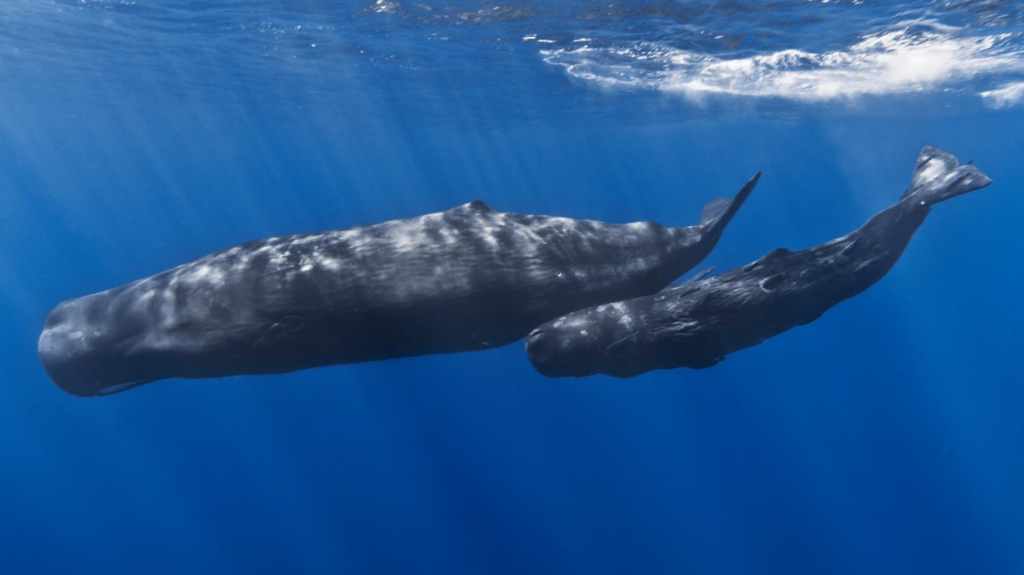
Scientists have found a way to detect one of the most dangerous whale viruses without touching the animals at all. By analyzing microscopic droplets from whales’ exhaled breath, researchers have identified cetacean morbillivirus, a pathogen linked to some of the world’s most devastating whale and dolphin die-offs.
The discovery, made during long-term fieldwork in the Arctic and North Atlantic, offers a new window into how diseases spread through ocean giants and how scientists might spot outbreaks before they turn deadly. It also reshapes how researchers think about monitoring wildlife health in some of the planet’s most fragile marine ecosystems.
What is cetacean morbillivirus, and why is it so dangerous?
Cetacean morbillivirus is a highly contagious virus that infects whales, dolphins, and porpoises. It belongs to the same viral family as measles in humans and canine distemper in dogs, diseases known for spreading rapidly and causing severe illness.
Since it was first identified in dolphins in 1987, the virus has been linked to repeated mass mortality events across the globe.
How the virus affects whales
Researchers say the virus can cause a combination of:
- Severe respiratory disease
- Neurological damage affecting movement and behavior
- Immune system suppression, making animals vulnerable to secondary infections
Infected whales may become disoriented, weak, or unable to navigate properly, which is one reason the virus has often been associated with mass strandings along coastlines.
How scientists detected the virus in whale breath
The breakthrough lies not just in identifying the virus but in how it was detected.
Instead of relying on stranded or deceased animals, scientists collected samples from living whales by capturing their “blow,” the mist of droplets released when whales exhale at the surface.
Drone-based sampling in the Arctic
Between 2016 and 2025, researchers used consumer-grade drones fitted with sterile Petri dishes. The drones hovered briefly above whale blowholes, collecting respiratory droplets without disturbing the animals.
Samples were gathered from:
- Humpback whales
- Sperm whales
- Fin whales
The study covered a wide geographic range, including northern Norway, Iceland, and Cape Verde in the Northeast Atlantic.
Alongside blow samples, scientists also analyzed skin biopsies and an organ sample from a stranded whale to screen for infectious agents.
The findings were published in the peer-reviewed journal BMC Veterinary Research by teams from King’s College London, The Royal (Dick) School of Veterinary Studies, and Nord University.
Why this method is a breakthrough
Marine mammal research has long struggled with a basic problem. It is extremely difficult to assess the health of large, free-ranging whales without harming or stressing them.
This method changes that equation.
A non-invasive way to monitor whale health
According to Professor Terry Dawson of King’s College London, drone blow sampling represents a turning point in how scientists study disease in whales.
By avoiding capture or close-contact sampling, researchers can:
- Monitor pathogens in live whales
- Reduce stress and injury to animals
- Collect repeated samples over time from the same populations
This is especially important in Arctic regions, where environmental change is already placing enormous pressure on marine life.
Where the virus was found and what it means
The study detected cetacean morbillivirus in:
- Groups of humpback whales in northern Norway
- One sperm whale
- A stranded pilot whale
The presence of the virus above the Arctic Circle is particularly concerning. These regions were once thought to be relatively insulated from some infectious diseases due to colder temperatures and lower human activity.
A virus with a global footprint
Researchers note that the strain identified in whales is closely related to variants previously found in dolphins. This suggests the virus can move across species and regions, likely through social and feeding interactions.
Whales often gather closely during feeding seasons, especially in winter months. These interactions create ideal conditions for viral transmission.
A map visualizing known cetacean morbillivirus outbreaks worldwide could help readers see how widespread the threat has become.
How mass strandings may be connected to the virus
Mass strandings are among the most mysterious and heartbreaking events in marine biology. Dozens, sometimes hundreds, of whales or dolphins beach themselves, often with fatal results.
While strandings can have multiple causes, including navigation errors and environmental noise, cetacean morbillivirus has repeatedly appeared in post-mortem analyses of affected animals.
What scientists suspect
Researchers believe the virus may:
- Impair navigation by damaging the brain
- Weaken muscles and lungs, making swimming difficult
- Reduce immune defenses, amplifying the effects of other stressors
When combined with factors like climate-driven shifts in prey or increased human activity at sea, viral infection can push already stressed animals past a tipping point.
What the study did not find
In addition to morbillivirus, scientists screened samples for other known threats.
They detected herpesviruses in some whales, which are relatively common and not always fatal. However, they found no evidence of:
- Avian influenza virus
- Brucella bacteria, which can cause reproductive and neurological issues
This helps narrow the list of pathogens currently circulating in these whale populations and strengthens the case for morbillivirus as a key concern.
Why early detection matters more than ever
Helena Costa, the study’s lead author from Nord University, emphasized that the next step is long-term surveillance.
Early detection could allow scientists and authorities to:
- Identify outbreaks before mass strandings occur
- Monitor how the virus spreads over time
- Understand how warming oceans may influence disease patterns
As Arctic waters warm and shipping, fishing, and tourism increase, whales are encountering new environmental pressures. Disease surveillance becomes not just a scientific exercise, but a conservation tool.
How this research could change conservation efforts
This approach opens the door to routine health monitoring of whales, much like public health surveillance in human populations.
Possible future applications include:
- Regular drone surveys in known feeding grounds
- Tracking disease prevalence alongside climate data
- Informing policy decisions on marine protection zones
TL;DR
Scientists have detected cetacean morbillivirus, a deadly whale virus linked to mass strandings, by collecting samples from whales’ breath using drones. The non-invasive method allows researchers to monitor live whales without harm and could help identify outbreaks early, especially in vulnerable Arctic regions.