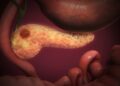
A research team in Spain has reported what may be one of the most significant preclinical advances yet against pancreatic cancer, a disease widely regarded as one of the deadliest and most treatment-resistant malignancies.
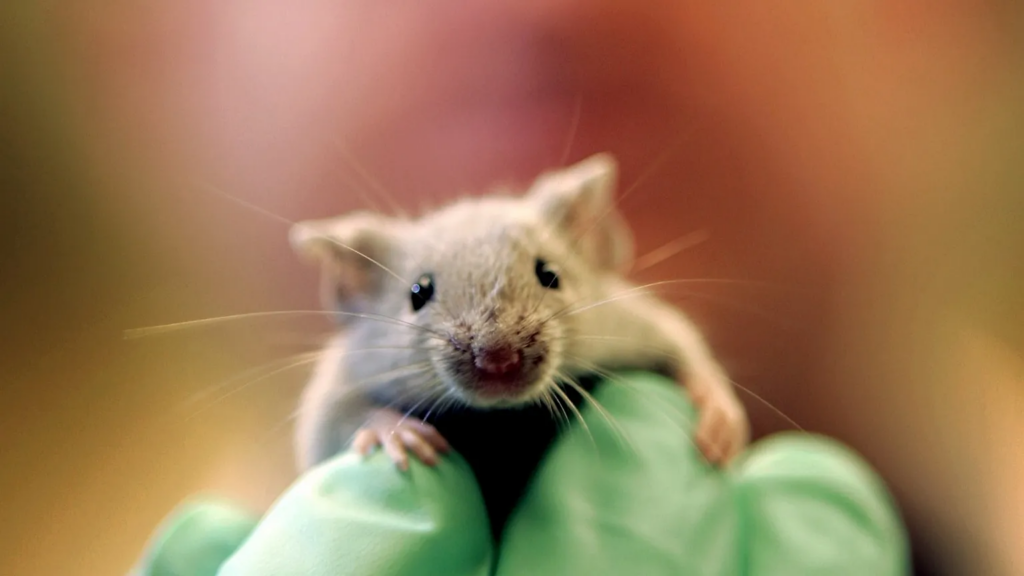
Scientists at the Spanish National Cancer Research Centre (CNIO) say a newly developed triple-drug therapy eliminated pancreatic tumors in laboratory mice, with no relapse observed long after treatment ended. The findings are the result of six years of research led by renowned cancer biologist Mariano Barbacid and were recently detailed in a peer-reviewed scientific study.
The therapy targets pancreatic ductal adenocarcinoma (PDAC), the most common and aggressive form of pancreatic cancer, which has a five-year survival rate in the single digits and has historically resisted most treatment strategies.
Why pancreatic cancer remains one of medicine’s hardest challenges
Pancreatic ductal adenocarcinoma is particularly lethal for several reasons. It is often diagnosed late, grows within a dense tumor microenvironment that shields cancer cells from drugs, and is driven by mutations, most notably in the KRAS gene, that allow tumors to rapidly adapt and survive treatment.
For decades, most experimental therapies have failed because they focused on single molecular targets. Cancer cells frequently respond by rerouting their signaling pathways, leading to drug resistance and tumor regrowth.
Barbacid has long argued that this adaptive flexibility is the core reason pancreatic cancer has remained largely untreatable. According to the researchers, defeating PDAC requires simultaneously shutting down multiple survival mechanisms, rather than relying on one drug or one pathway.
How the triple-drug therapy works
The CNIO team designed a treatment that attacks pancreatic cancer on three independent fronts, preventing tumor cells from compensating when one pathway is blocked.
Here’s a breakdown of the strategy:
| Targeted pathway | Drug used | Role in tumor survival |
|---|---|---|
| KRAS signaling | Daraxonrasib (RMC-6236) | Blocks the core oncogenic driver in PDAC |
| EGFR/HER2 pathway | Afatinib | Prevents upstream growth signaling |
| STAT3 signaling | SD36 (STAT3 PROTAC) | Disrupts inflammation-linked survival signals |
By inhibiting downstream, upstream, and parallel KRAS-related pathways at the same time, the therapy effectively prevented tumors from developing resistance, a problem that has consistently limited the effectiveness of newer KRAS inhibitors.
Complete tumor regression with no relapse in mice
According to the study, mice treated with the triple-drug combination experienced complete and sustained tumor regression, including in:
- Orthotopic pancreatic cancer models
- Genetically engineered mouse tumors
- Patient-derived tumor xenografts (PDX)
Crucially, no tumor recurrence was observed for more than 200 days after treatment, an unusually long relapse-free period in pancreatic cancer models. The therapy was also reported to be well-tolerated, with minimal side effects observed in the animals.
These results contrast sharply with previous studies of KRAS inhibitors alone, which, while promising, have typically shown rapid emergence of resistance.
Why this matters for future pancreatic cancer treatment
Recent years have seen cautious optimism around RAS(ON) inhibitors, a new class of drugs that finally made it possible to directly target KRAS-driven cancers. While these drugs have improved survival compared with historical data, their benefits have often been short-lived.
The CNIO study suggests that combination therapy may be the missing piece, turning temporary tumor control into durable regression, at least in preclinical models.
Experts caution, however, that results in mice do not guarantee success in humans. Many cancer treatments that show dramatic effects in animal models fail during clinical trials due to toxicity, lack of efficacy, or unforeseen resistance mechanisms.
What happens next
The researchers say their findings should help guide the design of future clinical trials in pancreatic cancer patients, particularly trials that test multi-target strategies rather than single-agent therapies.
If similar safety and effectiveness can be demonstrated in humans, the approach could represent a meaningful shift in how pancreatic cancer is treated, moving away from incremental improvements toward combination-based precision therapy.
For now, the results stand as a major preclinical milestone, offering rare optimism in a field where progress has been slow and survival gains have been modest.
A cautious but hopeful step forward
Pancreatic cancer remains one of the most urgent unmet needs in oncology. While the CNIO therapy is still years away from possible clinical use, its ability to eradicate aggressive tumors without relapse in multiple experimental models marks one of the strongest preclinical signals seen to date.
As researchers prepare for the next phase, the study reinforces a growing consensus in cancer research that complex diseases may require equally complex, multi-layered solutions.