
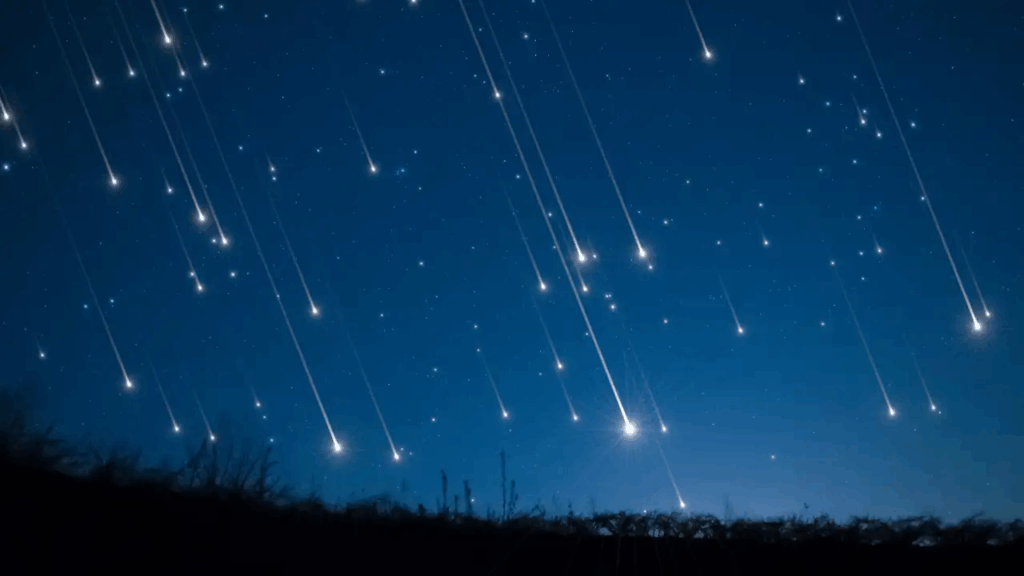
Quick Summary
The Perseid meteor shower peaks tonight, offering skywatchers in the US a chance to see up to 20 meteors per hour due to a nearly full moon. The best times to watch are between dusk and moonrise and just before dawn. Find a dark, open spot and let your eyes adjust for the best view—no special equipment needed.
What Is the Perseid Meteor Shower?
The Perseid meteor shower is an annual spectacle, lighting up the night sky each August as Earth passes through debris left by Comet Swift-Tuttle. This event is famous for its high meteor count and bright, fast-moving fireballs. Locally, it’s often called “nature’s fireworks show”—and for good reason.
Why Does It Happen?
- Origin: When Earth’s orbit crosses the dust trail of Comet Swift-Tuttle, those particles burn up in our atmosphere, creating shooting stars.
- Name: The meteors appear to originate from the constellation Perseus, which is why they’re called “Perseids.”
What Makes This Year’s Shower Unique?
Usually, the Perseids produce a dazzling 40–50 meteors per hour at peak, but this year’s viewing is slightly handicapped by an 85% illuminated, waning gibbous moon. The moon’s brightness will wash out fainter meteors, dropping the expected visible count to about 10–20 meteors per hour. The upside? The brightest meteors—the “show-stoppers”—will still be visible even through the moon’s glare.
When and Where Can You See the Perseid Meteor Shower?
Best Viewing Times
To maximize your night sky experience, target these prime windows:
- After dusk, before moonrise: A short period when the sky is darker, perfect for spotting “Earth grazers”—long, slow meteors that skim the atmosphere’s edge.
- Just before dawn (3–6am): The constellation Perseus is high in the northern sky, improving your odds, despite the moon’s presence.
Special Bonus: Planetary Pairing
Look east before sunrise and you’ll spot Venus and Jupiter still shining together after their recent conjunction—a bonus highlight beside the meteor shower.
Where to Go for the Best View
- Find a dark location: Get away from city lights, streetlamps, and buildings.
- Choose a wide-open space: Parks, rural areas, or even a backyard can work—just ensure clear sightlines.
How To Watch: Simple Steps for Maximum Enjoyment
- Arrive early: Arriving 30–60min before the viewing window begins allows your eyes to adjust.
- Let your eyes adapt: Avoid looking at phone screens or car headlights—night vision takes time.
- Lie flat: Preferably on a blanket or reclining lawn chair with your feet toward the north.
- No equipment necessary: The naked eye is your best tool; meteors dart quickly across large sky portions, and telescopes actually limit your view.
- Bring supplies: A jacket, snacks, and possibly a stargazing app for casual constellation spotting.
What If You Miss Peak Night?
- The Perseid shower runs until September 1.
- After August 23, the moon wanes to new—meaning darker skies and much better conditions for meteor hunting.
- Patience pays off: Repeat viewing on multiple clear nights increases your chances of catching a meteor burst.
Why Should You Care About the Perseids?
- Easy to observe: No need for fancy tech—perfect for families and beginners.
- Low barrier to entry: Just show up, look up, and be patient.
- Connects past and present: Millions of people—across generations—have marveled at these meteors, making for a universal, timeless skywatching tradition.
- A window to the cosmos: Meteors are remnants of the early solar system, providing a tangible link to our place in the universe.
Frequently Asked Questions
Can I Take Photos of the Perseid Meteors?
Yes! Use a tripod and a camera with manual controls. Set a long exposure (15–30sec), wide aperture, and high ISO. Aim toward the radiant, but keep a broad sky area in the frame. Smartphone users can try dedicated “night mode” or meteor shower apps for better results.
Do I Need to Worry About Meteorites?
No—the Perseids are tiny particles, vaporizing high in the atmosphere. They pose no danger to observers on the ground.
Is It Safe to Watch Alone?
Always prioritize safety, if heading to isolated dark spots, go with friends or family, and let someone know your plans.