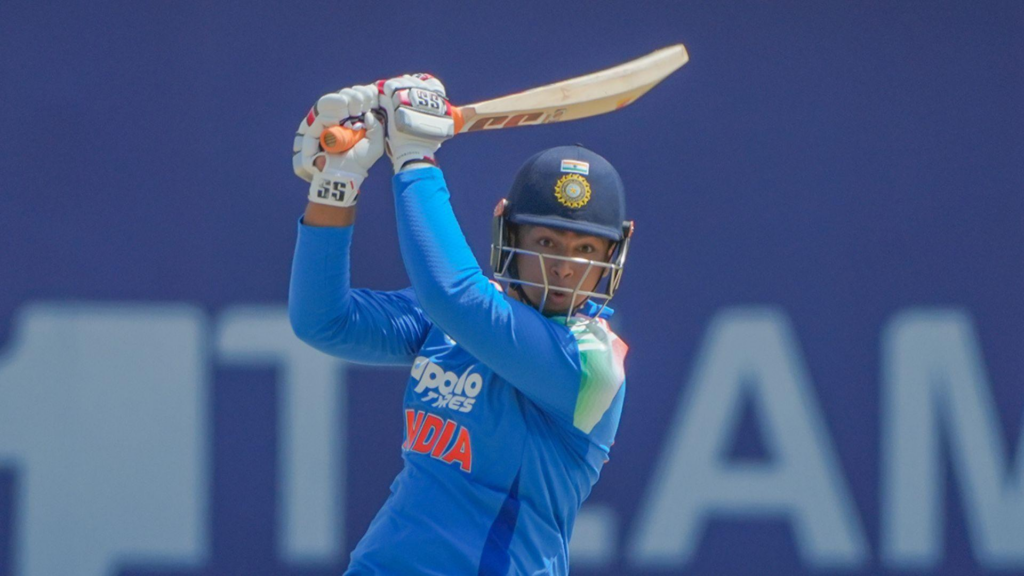
India’s teenage cricket sensation, Vaibhav Sooryavanshi, is preparing for what could be a historic senior international debut. But before he even takes the field, the 15-year-old has found himself at the center of an unusual off-field story.
During India’s upcoming tour of Ireland and England, Sooryavanshi will not be permitted to share changing or shower facilities with his adult teammates. The arrangement has sparked debate among fans unfamiliar with British safeguarding rules, with some questioning whether the regulation is excessive and whether the International Cricket Council (ICC) can intervene.
The short answer: the rule is rooted in UK safeguarding requirements, not cricket regulations, and the ICC has little authority to override it.
Why Is Vaibhav Sooryavanshi Using a Separate Changing Room?
The issue stems from the fact that Sooryavanshi is only 15 years old.
Under safeguarding policies followed by the England and Wales Cricket Board (ECB), players under the age of 16 are generally prohibited from sharing changing and showering facilities with adults.
The policy is designed to protect minors participating in elite sporting environments and applies regardless of how talented or accomplished a young athlete may be.
As a result, Sooryavanshi must be provided with separate facilities when changing into match attire or showering after games.
Importantly, the restriction does not prevent him from being part of the senior squad’s daily activities.
What Can Sooryavanshi Still Do With the Indian Team?
Despite headlines suggesting he will be separated from teammates, the reality is far less dramatic.
The young batter can still participate in:
- Team meetings
- Tactical discussions
- Training sessions
- Warm-up routines
- Match-day preparations
- Dressing-room interactions that do not involve changing or showering
The restriction applies specifically to situations involving changing facilities and personal privacy.
In practical terms, venues may either provide a dedicated room for the teenager or schedule separate access to the main changing area before adult players enter.
Is This Rule Unique to Cricket?
Not at all.
The regulation reflects broader safeguarding standards used across British sport.
Several football clubs have implemented similar measures when exceptionally young players were promoted to senior teams.
Football Has Faced Similar Situations
Youth prodigies such as Ethan Nwaneri and Max Dowman reportedly received separate changing arrangements when involved with senior football environments before turning 16.
The principle is straightforward: safeguarding obligations take precedence over sporting convenience.
This means governing bodies and clubs must adapt facilities rather than waive protections for talented young athletes.
What UK Law Is Behind the Policy?
The requirement is part of the UK’s broader child-protection framework.
While there is no single law that explicitly states “under-16 athletes cannot share a changing room with adults,” sports organizations are required to maintain safeguarding policies designed to protect minors from potential risks.
The ECB’s safeguarding framework translates those obligations into practical rules for cricket venues.
How Compliance Is Monitored
Oversight involves:
- Venue safeguarding officers
- County safeguarding officials
- Independent regulatory bodies
- Pre-tour risk assessments
Before matches take place, venues are expected to demonstrate compliance with safeguarding requirements and ensure that appropriate facilities are available for underage participants.
This process has become standard practice across professional and amateur sport in the United Kingdom.
Can the ICC Intervene?
This is the question many fans have been asking.
The answer is almost certainly no.
Why the ICC Has No Direct Role
The upcoming India-England and India-Ireland matches are bilateral series rather than ICC tournaments.
That distinction matters.
The International Cricket Council oversees global cricket regulations and administers major international events such as the Cricket World Cup and Champions Trophy. However, host nations retain authority over local operational and legal requirements during bilateral tours.
Because the changing-room arrangement arises from UK safeguarding obligations rather than cricket-playing regulations, it falls outside the ICC’s regulatory scope.
Even if the ICC wanted to challenge the rule, local legal and safeguarding requirements would still take precedence.
How Will Ireland Handle the Situation?
The same safeguarding standards will apply during India’s matches in Ireland.
According to reports, cricket authorities in Ireland have already informed the Indian team about the requirements and coordinated venue arrangements.
The solution appears straightforward: provide additional changing facilities and ensure compliance with safeguarding standards while allowing Sooryavanshi to integrate fully with the rest of the squad.
Some venues are expected to make multiple dressing rooms available to accommodate the requirement.
Why This Story Matters Beyond Cricket
At first glance, the issue may seem like an administrative technicality.
In reality, it highlights a growing challenge faced by elite sports organizations worldwide: balancing the rapid rise of teenage prodigies with increasingly robust safeguarding standards.
Athletes are reaching professional and international levels at younger ages than ever before. As that trend continues, sports administrators must find ways to protect minors without limiting their opportunities.
The Sooryavanshi case demonstrates how modern sport increasingly intersects with legal compliance, child protection, and athlete welfare.
For fans hoping to see the teenager make history in Indian colors, the changing-room arrangement is unlikely to affect his cricket. It is simply a reflection of safeguarding standards that British sporting bodies have spent years putting into place.
The Bottom Line
Vaibhav Sooryavanshi’s separate changing-room arrangement is not a disciplinary measure, special treatment, or cricketing controversy. It is a safeguarding requirement triggered by the fact that he is 15 years old.
The ECB and Cricket Ireland are following established UK child-protection policies that apply across multiple sports. Because the matter is governed by local safeguarding rules rather than international cricket regulations, the ICC has no practical authority to intervene.
As a result, Sooryavanshi will continue to train, prepare, and potentially play alongside India’s senior stars—just with a different room to change in.