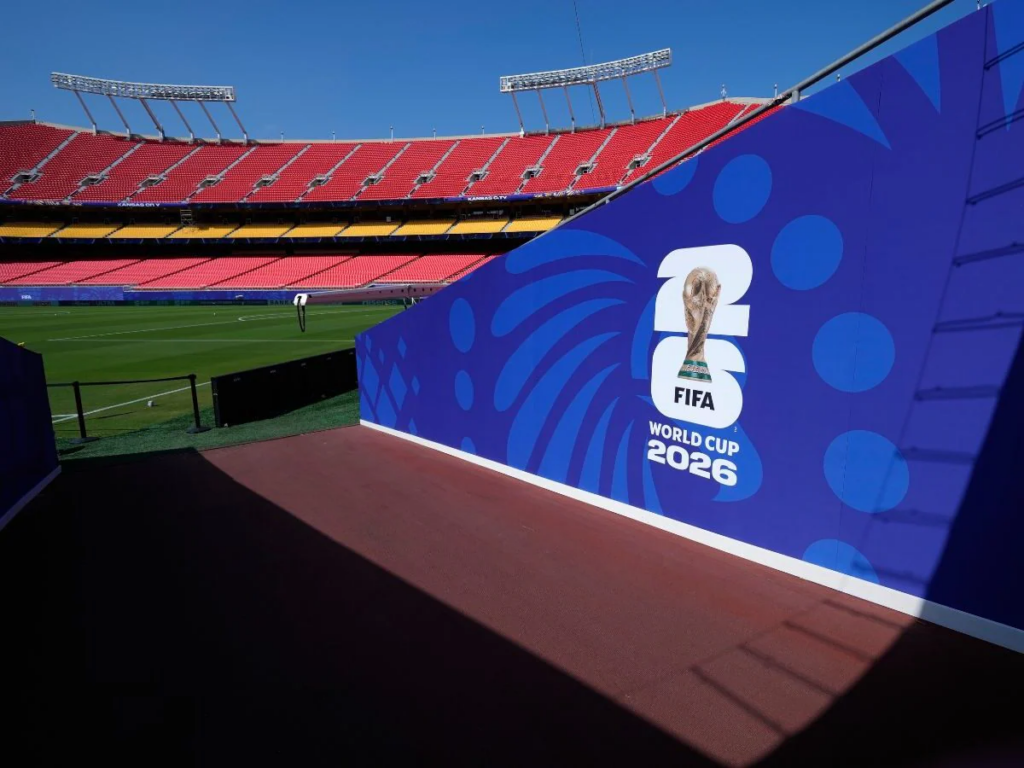
Just days before the 2026 FIFA World Cup begins, an unexpected controversy is casting a shadow over what FIFA has billed as the biggest tournament in football history.
Nearly 180,000 tickets have appeared on FIFA’s official resale platform, while thousands more remain unsold on the governing body’s primary ticketing website. The situation has raised questions about FIFA’s pricing strategy, fan accessibility, and the realism of record-breaking attendance projections.
The issue is particularly sensitive because FIFA has repeatedly promoted the 2026 tournament as a landmark event that could surpass the attendance records set during the 1994 World Cup in the United States.
Instead, critics argue that aggressive ticket pricing and a controversial dynamic pricing model may have priced out many of the sport’s traditional supporters.
Why are 180,000 World Cup tickets on the resale market?
The short answer is that demand has not matched expectations for many matches.
According to reports, around 180,000 tickets are currently listed on FIFA’s official resale portal, with the majority tied to group-stage fixtures. At the same time, FIFA is reportedly still holding thousands of unsold tickets for several matches.
The situation suggests that many buyers who purchased tickets earlier are now attempting to sell them before the tournament begins.
Several factors appear to be driving the surge in resale listings:
- Higher-than-expected ticket prices
- Dynamic pricing that increased costs after initial sales
- Scalpers are purchasing tickets in anticipation of stronger demand
- Reduced interest in certain group-stage matches
- Rising travel and accommodation costs for fans
As a result, resale prices for many games have fallen sharply, with some tickets reportedly available for as little as $69.
What is FIFA’s dynamic pricing model?
One of the biggest sources of frustration among fans has been FIFA’s adoption of dynamic pricing.
The model adjusts ticket prices based on market demand. When demand increases, prices rise. When demand falls, prices can decrease.
The approach is commonly used by airlines, hotels, and entertainment platforms, but it remains controversial in sports because it can make tickets significantly more expensive than originally advertised.
How dynamic pricing changed World Cup tickets
For the 2026 World Cup, FIFA took direct control of ticket distribution and pricing.
Initial ticket prices reportedly ranged from approximately $140 to $8,680, depending on the match and seating category. However, prices increased substantially for high-profile fixtures as demand surged.
Matches involving major football nations attracted particularly sharp increases, creating sticker shock for many supporters.
Critics argue that fans often struggled to predict final costs because prices fluctuated throughout the sales process.
Did scalpers miscalculate demand?
The large number of resale listings suggests many ticket speculators may have made an expensive mistake.
Scalpers traditionally purchase large numbers of tickets, hoping to resell them at significant profits closer to an event. That strategy works when demand exceeds supply.
This time, however, demand appears to have cooled for many fixtures.
As kickoff approaches, sellers are competing against one another, forcing prices downward.
Evidence of weakening demand
Reports indicate:
- Around 4,400 tickets remain available for the opening match between the United States and Paraguay.
- Approximately 16,000 tickets remain unsold for Iran’s group-stage matches.
- Saudi Arabia’s group-stage fixtures reportedly still have thousands of tickets available on average.
While marquee matches are expected to sell out, several lower-profile games appear to be attracting less interest than FIFA anticipated.
This imbalance is creating pressure on the secondary market.
Why fans are criticizing FIFA’s ticket strategy
Many supporters argue the controversy is about more than resale numbers.
The criticism centers on the belief that FIFA has increasingly treated tickets as a revenue-maximization tool rather than a way to fill stadiums with passionate fans.
Several complaints have emerged repeatedly:
Rising face-value prices
Fans say ticket prices are significantly higher than those of previous World Cups.
Some categories reportedly cost several times as much as comparable seats at the 2022 tournament in Qatar.
Additional fees and upselling
Beyond ticket prices, supporters have criticized optional add-ons and premium experiences that increase the overall cost of attending a match.
For example, FIFA has reportedly offered paid fan engagement features, including opportunities for names to appear on stadium screens before matches.
Lack of transparency
Some fans have expressed concerns about how prices change during the sales process.
Critics argue that dynamic pricing makes it difficult for supporters to know whether they are receiving fair value.
How much is FIFA earning from ticket sales?
The financial stakes are enormous.
Historically, ticket sales have represented roughly 10 to 15 percent of total World Cup revenue.
For the 2026 tournament, however, ticketing revenue is expected to play a much larger role.
Reports suggest FIFA could generate approximately $3 billion from ticket sales, representing more than a quarter of the tournament’s overall revenue.
That figure highlights why pricing policies have become such a contentious issue.
Supporters argue that maximizing revenue should not come at the expense of accessibility.
FIFA, meanwhile, maintains that pricing reflects market demand and the unprecedented scale of the expanded tournament.
Why empty seats would be a problem for FIFA
The optics matter almost as much as the finances.
A World Cup is designed to showcase football’s global appeal. Television broadcasts featuring visible sections of empty seats can undermine that image, particularly during opening matches and games involving host nations.
The attendance record challenge
FIFA has repeatedly stated that the 2026 World Cup could surpass the cumulative attendance record of approximately 3.5 million spectators established during the 1994 tournament in the United States.
Achieving that milestone would reinforce the success of the tournament’s expansion and FIFA’s commercial strategy.
However, large numbers of unsold or resold tickets have sparked concerns about whether attendance projections may have been overly optimistic.
Are regulators getting involved?
The controversy has also attracted attention from regulators.
According to reports, authorities in New York and New Jersey have launched investigations into aspects of ticket sales connected to matches at MetLife Stadium, which has been temporarily rebranded as New York New Jersey Stadium for the World Cup.
Investigators are reportedly seeking information regarding ticket pricing practices and internal communications related to sales operations.
The outcome of those inquiries could influence future discussions about how major sporting events price and distribute tickets.
What does this mean for the future of sports ticketing?
The FIFA World Cup ticket controversy reflects a broader debate taking place across sports and entertainment.
Organizations increasingly rely on dynamic pricing to maximize revenue, while fans argue that the practice can make live events less accessible.
The 2026 World Cup may become a defining case study in that debate.
If stadiums remain full and revenue targets are met, FIFA’s model could encourage other sporting organizations to adopt similar strategies.
If attendance falls short and resale markets remain flooded with discounted tickets, critics will point to the tournament as evidence that aggressive pricing has limits.
For now, the presence of 180,000 tickets on the resale market serves as a reminder that even the world’s most popular sporting event is not immune to the basic economics of supply, demand, and consumer affordability.
TL;DR
- Around 180,000 FIFA World Cup tickets are listed on the official resale platform ahead of kickoff.
- Thousands of additional tickets remain unsold for several group-stage matches.
- FIFA’s dynamic pricing model has become a major source of criticism among fans.
- Many scalpers who bought tickets expecting higher demand may now be forced to sell at lower prices.
- Concerns are growing that high costs could affect attendance and create visible empty seats during some matches.
- Regulators in New York and New Jersey are reportedly examining aspects of World Cup ticket sales.