
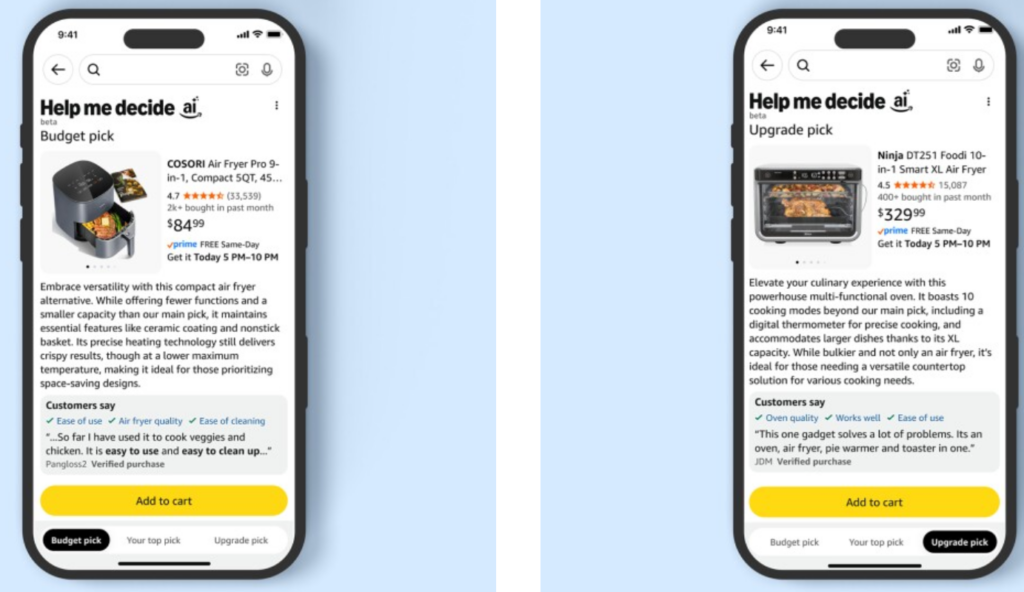
More than a decade after its failed first attempt, Amazon is reportedly developing a new AI smartphone. The project, internally codenamed “Transformer,” signals a renewed push into hardware, but this time with artificial intelligence at its core.
Unlike the ill-fated Amazon Fire Phone, this new device isn’t just another handset. It’s being designed as an AI-first mobile hub that could reshape how users interact with apps, services, and even the internet itself.
What Is Amazon’s AI Smartphone Project “Transformer”?
The Amazon AI smartphone, still in early development, is part of the company’s devices and services division. According to reports, the goal is to create a deeply personalized device powered by AI rather than traditional app-based interfaces.
A Shift From Apps to AI
At its core, the Transformer project aims to reduce reliance on app stores. Instead of tapping icons, users could:
- Ask AI to complete tasks
- Navigate services through voice or prompts
- Automate daily digital routines
This approach aligns with a broader industry trend toward AI agents replacing conventional app ecosystems.
How Will Alexa Fit Into the Amazon AI Smartphone?
Alexa as the Central Layer
Amazon Alexa is expected to play a major role in the new device—but not necessarily as the operating system.
Instead, Alexa could act as
- A universal interface across apps
- A personal assistant managing tasks across services
- A contextual AI layer learning user behavior over time
This would allow Amazon to unify its ecosystem, shopping, streaming, and music into one continuous experience.
Seamless Integration With Amazon Services
The device is likely to prioritize:
- Shopping on Amazon
- Streaming via Prime Video
- Music through Amazon Music
- Smart home control
The strategy is clear: turn the smartphone into a gateway for Amazon’s ecosystem, increasing user engagement across its services.
Why Is Amazon Returning to Smartphones Now?
Learning From the Fire Phone Failure
Amazon’s previous attempt, the Fire Phone, launched in 2014 under Jeff Bezos and failed within 14 months.
Key reasons included:
- High price point
- Limited app ecosystem
- Gimmicky features like 3D effects
- Lack of clear user value
This time, Amazon appears to be betting on AI as the differentiator, not hardware gimmicks.
A Different Team, A Different Vision
The Transformer project is reportedly being led by the ZeroOne team, headed by J Allard, a veteran known for his work on breakthrough consumer devices.
Their mandate: build something fundamentally new, not just another Android competitor.
What Features Could the Amazon AI Smartphone Offer?
While specifics remain unclear, several likely features are emerging based on Amazon’s strategy and current AI trends.
1. AI-First Interface
- Voice and text prompts replace app navigation
- Context-aware suggestions based on usage patterns
- Predictive automation (e.g., ordering groceries before you run out)
2. Deep Personalization
- AI learns routines and preferences
- Cross-service recommendations (shopping + media + smart home)
- Adaptive UI that changes based on user behavior
3. Reduced App Store Dependence
- Direct service integration instead of third-party apps
- AI performing tasks across multiple platforms
- Potential disruption to Apple App Store and Google Play models
4. Smart Home Command Center
- Centralized control for Alexa-enabled devices
- Real-time automation and monitoring
- Voice-first interaction model
A product mockup or UI concept image would help readers visualize how an AI-first interface differs from current smartphones.
Could Amazon Launch a “Dumbphone” Too?
Interestingly, Amazon is also exploring a simplified phone with limited features.
Why a Dumbphone Option?
The idea taps into a growing demand for:
- Reduced screen time
- Minimal distractions
- Digital detox lifestyles
This version could:
- Focus on calls, messages, and essential AI tools
- Remove social media-heavy ecosystems
- Appeal to users overwhelmed by modern smartphones
If executed well, Amazon could target two extremes: power users and minimalists.
How Does This Fit Into the Global Smartphone Market?
The timing is notable.
According to the International Data Corporation, global smartphone shipments are expected to decline by 13% in 2026 due to rising component costs.
A Risky but Strategic Entry
Entering a shrinking market might seem counterintuitive. But Amazon’s strategy isn’t about competing on hardware volume—it’s about ecosystem control.
If successful, the device could:
- Drive more Prime subscriptions
- Increase e-commerce usage
- Expand Alexa adoption
In other words, the smartphone becomes a distribution channel, not just a product.
What Challenges Will Amazon Face?
1. Competing With Apple and Google
Entrenched ecosystems from Apple and Google dominate the market. Convincing users to switch will require a clear, compelling advantage.
2. Privacy Concerns
An AI-first phone that deeply integrates with user behavior may raise:
- Data privacy questions
- Surveillance concerns
- Trust barriers
Amazon will need transparent policies to gain user confidence.
3. Execution Risk
Amazon’s hardware track record is mixed. While devices like Echo succeeded, others—like the Fire Phone—failed quickly.
Why the Amazon AI Smartphone Matters
This isn’t just another gadget. It reflects a larger shift in computing.
If Amazon succeeds:
- Smartphones could move beyond apps into AI-driven workflows
- Voice and automation may replace manual navigation
- Ecosystems—not hardware—will define competition
In that sense, the Transformer project is less about phones and more about the future of human-device interaction.
What to Watch Next
To gauge whether this project gains traction, watch for:
- Prototype leaks or early demos
- Partnerships with AI or chip companies
- Developer ecosystem announcements
- Pricing strategy and positioning
If Amazon can deliver a genuinely useful AI experience—not just a rebranded assistant—it could reshape expectations for smartphones.
TL;DR
- Amazon is developing an AI smartphone codenamed “Transformer.”
- The device aims to replace app-based interactions with AI-driven workflows.
- Alexa will likely serve as a central interface across services.
- Amazon may also launch a simplified “dumbphone” variant.
- The move comes despite a declining global smartphone market.
- Success depends on execution, differentiation, and user trust.