
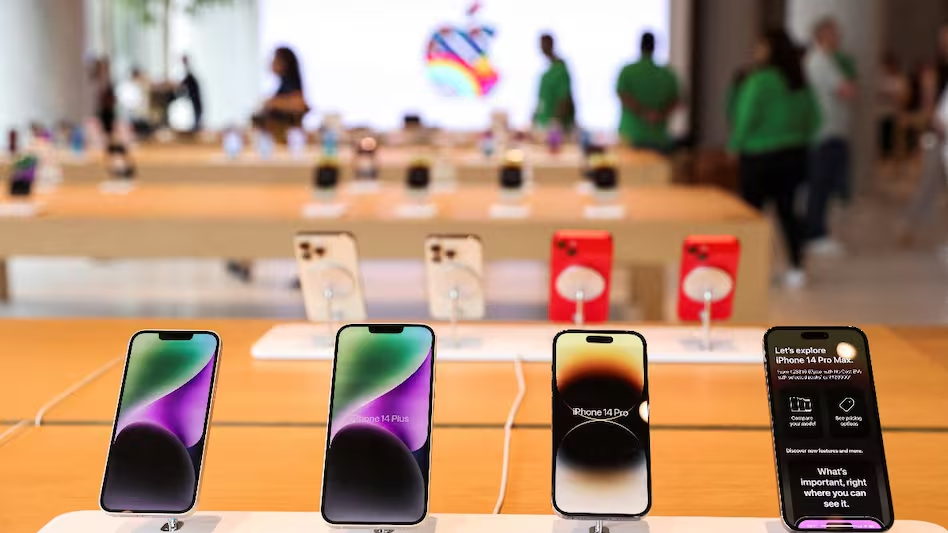
Apple is preparing to settle a major class-action lawsuit tied to its heavily promoted AI-powered Siri upgrades, potentially paying eligible iPhone users up to $95 per device.
The proposed $250 million settlement comes after allegations that Apple marketed advanced “Apple Intelligence” Siri capabilities that still have not arrived on supported iPhones nearly two years after being unveiled.
For millions of consumers, the controversy cuts to a growing issue in the AI era: tech companies advertising futuristic features long before they are actually ready.
Why Apple is facing a lawsuit
The lawsuit centers on Apple’s promotion of a smarter, more personalized Siri assistant introduced during the Worldwide Developers Conference 2024, commonly known as WWDC 2024.
At the event, Apple previewed AI-powered Siri capabilities expected to transform how users interact with their iPhones.
The demonstrations suggested Siri would eventually be able to:
- Understand deeper personal context
- Handle more natural conversations
- Take actions across apps intelligently
- Deliver more personalized responses
- Use on-device AI for advanced assistance
Those features became a major selling point during the launch of the iPhone 16 Pro lineup and Apple’s broader “Apple Intelligence” push.
The problem: many of the headline Siri upgrades still have not shipped.
Which iPhones are eligible for the settlement?
According to the settlement details, US customers who purchased specific iPhone models between June 10, 2024, and March 29, 2025, may qualify for compensation.
Eligible devices reportedly include:
- iPhone 16
- iPhone 16e
- iPhone 16 Plus
- iPhone 16 Pro
- iPhone 16 Pro Max
- iPhone 15 Pro
- iPhone 15 Pro Max
The settlement currently applies only to customers in the United States.
How much money could users receive?
Eligible users may receive between $25 and $95 per device, depending on how many claims are submitted.
If fewer users file claims than expected, payouts could increase because the settlement pool would be distributed among a smaller group of claimants.
The total settlement fund is valued at $250 million, although part of that amount will cover the following:
- Legal fees
- Administrative expenses
- Court-related costs
That means the actual payout pool for consumers will likely be smaller than the headline figure.
How to claim the Apple Siri settlement refund
According to the settlement details, Apple will reportedly begin sending notices to eligible customers within 45 days of May 5, 2026.
To file a claim, users may need:
- Device serial number
- Apple Account information
- Associated phone number
Claim forms are expected to become available through the official settlement website once notices are distributed.
The final court approval hearing is currently scheduled for June 17.
What exactly did Apple promise?
The dispute highlights the widening gap between AI marketing and real-world product delivery across the tech industry.
Apple showcased the upgraded Siri as a centerpiece of its AI strategy during WWDC 2024, presenting it as a major leap forward in digital assistant technology.
Promotional material reportedly suggested the system would provide deeply contextual assistance by understanding:
- Messages
- Emails
- Calendar events
- User preferences
- App activity
The lawsuit argued that those advertisements created the impression that the features would be available much sooner than they actually were.
Court filings claim Apple promoted the technology heavily across the following:
- Television ads
- Online campaigns
- Product launch events
- Digital marketing platforms
But in March 2025, Apple reportedly delayed the advanced Siri rollout and later withdrew related advertisements.
Why this case matters beyond Apple
The lawsuit reflects a larger trend sweeping through the technology industry.
Companies racing to dominate AI are increasingly marketing ambitious future capabilities before products are fully ready for consumers.
That approach creates enormous hype but also growing legal and reputational risk.
Across the tech sector, companies are competing to convince consumers that AI-powered devices justify expensive hardware upgrades.
The challenge is that many AI systems remain unfinished, unreliable, or limited compared to their marketing demonstrations.
Apple’s Siri controversy may become one of the clearest examples yet of that tension.
Apple Intelligence vs reality
Apple has defended itself by noting that several Apple Intelligence features have already launched.
The company highlighted tools, including:
- Visual Intelligence
- AI Writing Tools
- Live Translation features
However, the most heavily promoted Siri personalization upgrades remain unavailable as of May 2026.
Reports now suggest the delayed Siri overhaul may debut alongside iOS 27 at WWDC 2026.
That timeline would mean some customers waited nearly two years after Apple first previewed the functionality.
In the fast-moving AI market, two years is practically a geological era.
Apple did not admit wrongdoing
As part of the proposed settlement, Apple denied wrongdoing.
The company said it chose to settle the case in order to stay focused on delivering products and services to users rather than continue lengthy litigation.
That is standard practice in many major corporate settlements, especially class-action cases involving advertising disputes.
Still, the agreement signals recognition that the issue carried substantial legal and reputational risks.
The broader AI marketing problem
The Apple Siri case arrives during a period of growing scrutiny over AI advertising claims industry-wide.
Tech companies increasingly reveal features through cinematic demonstrations months, or sometimes years, before widespread rollout.
Consumers are left navigating an uncomfortable gray zone between the following:
- Product previews
- Marketing promises
- Experimental features
- Actual shipping functionality
That gap may become one of the defining consumer protection issues of the AI era.
TL;DR
Apple is settling a $250 million class-action lawsuit over delayed AI-powered Siri features promoted during the iPhone 16 launch cycle. Eligible US customers who purchased select iPhone 15 Pro and iPhone 16 models between June 2024 and March 2025 may receive between $25 and $95 per device. The lawsuit argued Apple marketed advanced Siri capabilities that still have not been launched nearly two years later.