TL;DR: Key Takeaways
- Eris, the first Australian-made orbital rocket launched but crashed after 14 seconds.
- Gilmour Space Technologies calls it a partial success, citing engine ignition and intact infrastructure.
- Australia’s space ambitions remain on track despite the setback.
- Next steps: Data review, design improvements, and another test flight.
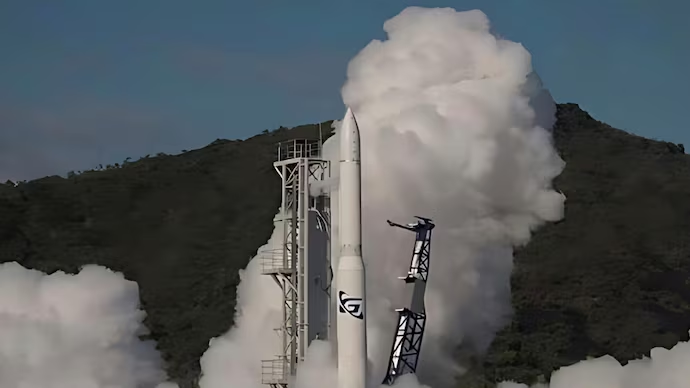
Australia’s ambitious leap into the space race hit a stumbling block when its first domestically built orbital rocket, Eris, crashed just 14 seconds after liftoff during a test flight on July 30, 2025. Developed by Gilmour Space Technologies, the mission aimed to mark Australia’s entry into the global satellite launch market, but the abrupt failure raises questions about the challenges facing private space ventures.
What Happened During the Eris Rocket Launch?
The 25-meter (75-foot) rocket lifted off from the Bowen Orbital Spaceport in northern Queensland, a site chosen for its proximity to the equator, which offers fuel efficiency advantages for orbital launches. However, footage from Australian media shows the rocket clearing the launch tower before losing stability and crashing.
Key details from the flight:
- Engines ignited successfully: All four hybrid-propulsion engines fired as planned.
- 14 seconds of flight: The rocket briefly hovered before descending.
- No damage to launch infrastructure: Ground systems remained intact.
Gilmour Space had postponed earlier launch attempts in May and early July due to technical issues and weather concerns. Despite the crash, CEO Adam Gilmour called the partial success a “major milestone,” emphasizing that most first-time orbital launches by private firms fail.
Why Does This Launch Matter for Australia’s Space Ambitions?
Australia has been a minor player in the global space industry, relying on foreign rockets to deploy its satellites. The Eris rocket was meant to change that by:
- Reducing dependency on U.S. and European launch providers.
- Lowering costs for small satellite operators.
- Boosting local aerospace innovation.
The country’s 2025 Space Strategy envisions a $12 billion domestic space economy by 2030. While this setback delays progress, experts say such failures are common in early-stage rocketry.
Comparison to Other Private Space Companies
- SpaceX’s Falcon 1: Failed three times before its first successful orbital flight in 2008.
- Rocket Lab’s Electron: Experienced a failure in its second launch before stabilizing operations.
- Astra: Struggled with multiple launch failures before achieving orbit.
Gilmour’s hybrid propulsion system, using a mix of solid and liquid fuel, was a key innovation, but its reliability remains unproven.
What’s Next for Gilmour Space Technologies?
The company has not yet disclosed a full analysis of the failure but indicated it will:
- Review flight data to pinpoint the cause (likely guidance or propulsion issues).
- Refine design before another test launch.
- Continue partnerships with the Australian Space Agency and commercial clients.
Gilmour had previously stated that simply getting the rocket off the ground would be considered a success for this test. The next attempt could happen within 6-12 months.