
TL;DR
A proposed EU policy could ban plant-based products from using terms like “burger” or “sausage,” even when clearly labeled. Critics argue it’s unnecessary, confusing, and damaging to businesses and climate goals. The move contradicts court rulings, public opinion, and common sense.
What’s Actually Happening?
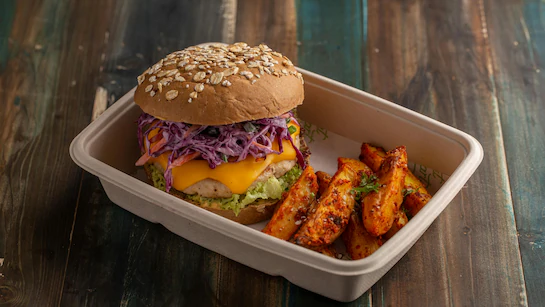
The European Union is revisiting a proposal that would bar plant-based products from using meat-associated terms like “burger” or “sausage.” If adopted by the Council and moved forward in trilogue negotiations, your next “veggie burger” might be called something like a “vegetable disc.”
Yes, seriously.
The reasoning behind the proposal is supposedly to “avoid consumer confusion.” But according to consumer surveys, court decisions, and common sense, most people already know the difference between a beef burger and a plant-based one.
Why the Push to Rename Veggie Products?
Let’s be clear: this isn’t about health or food safety.
The move is widely seen as driven by lobbying from parts of the meat and dairy industry, who argue that meat-like terms on plant-based packaging are misleading.
But here’s the thing—EU law already protects consumers from misleading labels. In fact, the European Court of Justice ruled in 2024 that current legislation is sufficient and clear. Labels like “plant-based burger” or “vegan sausage” are allowed because they include clear qualifiers.
In 2020, the European Parliament rejected a similar proposal, effectively agreeing with the public that there’s no need to fix what isn’t broken.
So why bring it back now?
What’s the Problem with Changing the Names?
1. Unnecessary Bureaucracy for Businesses
Rebranding every plant-based “burger” or “nugget” means:
- Redesigning packaging
- Navigating new compliance regulations
- Investing in marketing and consumer education
Small- and medium-sized producers—already operating on tight margins—will be hit hardest. And for what? A problem that no one asked to solve.
2. Consumers Aren’t Confused—They’re Informed
According to multiple consumer surveys, up to 80% of Europeans are perfectly fine with plant-based products using familiar terms—as long as the packaging is clear. In fact, forcing strange, unfamiliar names could cause more confusion, not less.
Imagine scanning a grocery aisle and seeing something called a “plant protein cylinder” instead of “vegan sausage.” It’s not helping anyone.
3. Slows Down the Plant-Based Transition Europe Needs
Europe has committed to major sustainability goals: reducing emissions, protecting biodiversity, and and improving food security. A shift toward plant-based eating is central to that effort.
The current food system is a leading driver of:
- Greenhouse gas emissions
- Biodiversity loss
- Nitrogen pollution
Plant-based foods offer a way out of that spiral—and yet this vote actively undermines that progress.
“It’s utterly nonsensical that our elected officials are wasting time, and taxpayer money, on a non-issue like this,” said Marilda Dhaskali, Senior Agriculture and Land-use Policy Officer. “Our food system is the leading driver for biodiversity loss, carbon emissions, and nitrogen pollution. Plant-based foods are a solution, and this vote actively works against the progress being made.”
4. It’s a Distraction from Real Problems
Let’s be blunt: Europe is grappling with food inflation, climate instability, and geopolitical food supply threats.
Spending time, money, and political capital on whether a veggie burger can be called a burger is not just misguided—it’s insulting to the people actually trying to solve real food system problems.
What Could This Mean for the Market?
- Innovation will stall. Startups and food tech companies could face new legal hurdles.
- Costs will rise. Rebranding, packaging redesign, and marketing all cost money—which could be passed to consumers.
- Consumer trust may erode. If shoppers can’t find the familiar terms they trust, they might avoid the products entirely.
And that’s not just bad for vegans—it’s bad for anyone trying to cut back on meat for health, environmental, or ethical reasons.
What Happens Next?
The Council still has to formally adopt the proposal. Then it would go into trilogue negotiations between the Council, the European Parliament, and the Commission.
There’s still a chance it could be scrapped or rewritten.
Public pressure helped kill a similar proposal in 2020. It could happen again, if there’s enough awareness and pushback.
Who’s Supporting This—and Why?
Let’s not sugarcoat it: some meat industry groups see plant-based products as competition. The logic goes, if you can’t beat them on health, taste, or sustainability, at least make them change their names.
But this sort of protectionism doesn’t benefit consumers. It’s corporate self-interest dressed up as concern for the public.
Meanwhile, farmers, environmental groups, and consumer advocates are largely opposed.
Bottom Line
Words like “burger,” “sausage,” or “nugget” aren’t the problem. Climate change, food insecurity, and an unsustainable agriculture system are.
Europe needs to move toward plant-based food innovation, not away from it. Banning the term “veggie burger” doesn’t protect consumers—it insults their intelligence.
Let’s hope lawmakers see that.