
TL;DR
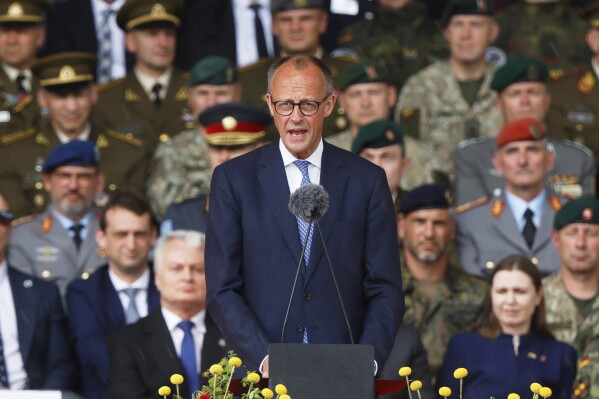
Chancellor Friedrich Merz wants to transform Germany’s long-neglected armed forces into Europe’s strongest military by 2035. A new conscription bill aims to boost troop numbers, modernize equipment, and counter potential threats from Russia and shifting U.S. foreign policy. But political resistance and public skepticism could slow Merz’s plans.
Why Germany Wants Europe’s Strongest Army
German Chancellor Friedrich Merz has unveiled an ambitious plan to reshape the country’s defense posture after decades of underinvestment. The proposal comes at a moment of profound geopolitical uncertainty: Russia’s continued aggression in Ukraine, instability across Europe, and a U.S. foreign policy that may become less predictable.
Merz’s goal is clear—build the strongest army in Europe—but achieving it will require major changes to how Germany recruits, trains, and funds its armed forces.
What the Plan Includes
- Expanding active-duty personnel from 180,000 to 260,000 soldiers
- Building a reservist pool of 200,000 by 2035
- Passing a new conscription and recruitment bill
- Modernizing equipment using the €100 billion defense fund
- Doubling defense spending to reach NATO’s newer, higher benchmarks
The proposal signals a dramatic reset for a country whose military has struggled with aging equipment, personnel shortages, and political caution since the Cold War.
How the New Conscription Model Works
Voluntary First, Mandatory If Needed
The centerpiece of Merz’s plan is a flexible recruitment system that leans on voluntary enlistment but keeps the door open for mandatory service if the numbers fall short.
Key elements of the bill include
- Starting salary for recruits rising to €2,600 ($3,000), a €450 bump
- Incentives meant to make military service more attractive
- A large-scale recruitment campaign targeting 18-year-olds
- Mandatory questionnaires for all 18-year-old men beginning next year
- Compulsory medical examinations startingin 2027 if readiness requirements aren’t met
Germany abolished mandatory service in 2011. Reinstating any version of conscription—voluntary or not—marks a significant cultural and political shift.
What Germans Think About Bringing Back Conscription
Public Opinion Is Deeply Split
The bill is still awaiting approval in Parliament, with a vote expected before year-end. Even within the coalition government, the proposal is contentious.
Key points from public sentiment:
- Die Linke voters overwhelmingly oppose conscription (80% against)
- Applications for conscientious objector status have surged since Russia invaded Ukraine
- Younger Germans say they fear mandatory service could pull them toward extreme political ideologies
- Critics argue the reform could fracture voter blocs already wary of militarization
The political left calls conscription outdated, unnecessary, and potentially harmful. Defense Minister Boris Pistorius insists the opposite—arguing that deterrence now depends on a larger, fully trained, and modern force.
How Germany Plans to Modernize Its Forces
A Military Trying to Catch Up
For years, Germany’s Bundeswehr has been a symbol of chronic underfunding. Equipment shortages, outdated vehicles, and personnel gaps became frequent headlines.
That changed in 2022.
After Russia invaded Ukraine, former Chancellor Olaf Scholz announced a €100 billion modernization fund, intended to upgrade everything from fighter jets to digital infrastructure. Merz now wants to accelerate that modernization and pair it with a historic expansion of manpower.
Germany’s New Military Roadmap
- Replace aging aircraft and armored vehicles
- Improve cyber defense capabilities
- Expand NATO-ready battlegroups
- Increase ammunition stockpiles
- Strengthen Germany’s role in European defense operations
Merz has also committed to doubling Germany’s annual defense spending, a move that would finally meet—and potentially exceed—NATO expectations.
Still, public concerns persist. Critics warn that a massive push toward militarization could alienate younger voters and inflame far-right and far-left activism.
Why This Matters for Europe and NATO
Germany is the EU’s largest economy, but its military has lagged behind those of France, the U.K., and even much smaller nations. If Merz’s plan succeeds, Germany would be positioned as the backbone of European defense—the role many NATO allies have been urging it to take.
This matters because:
- The U.S. may reduce its European military commitments
- Russia remains an immediate threat
- Many EU nations rely on Germany for leadership and logistics
- A stronger Germany could reshape NATO’s strategy through 2035
But the success of Merz’s agenda ultimately depends on one question: Will Germans support a long-term return to military service?
Right now, that answer is far from settled.