
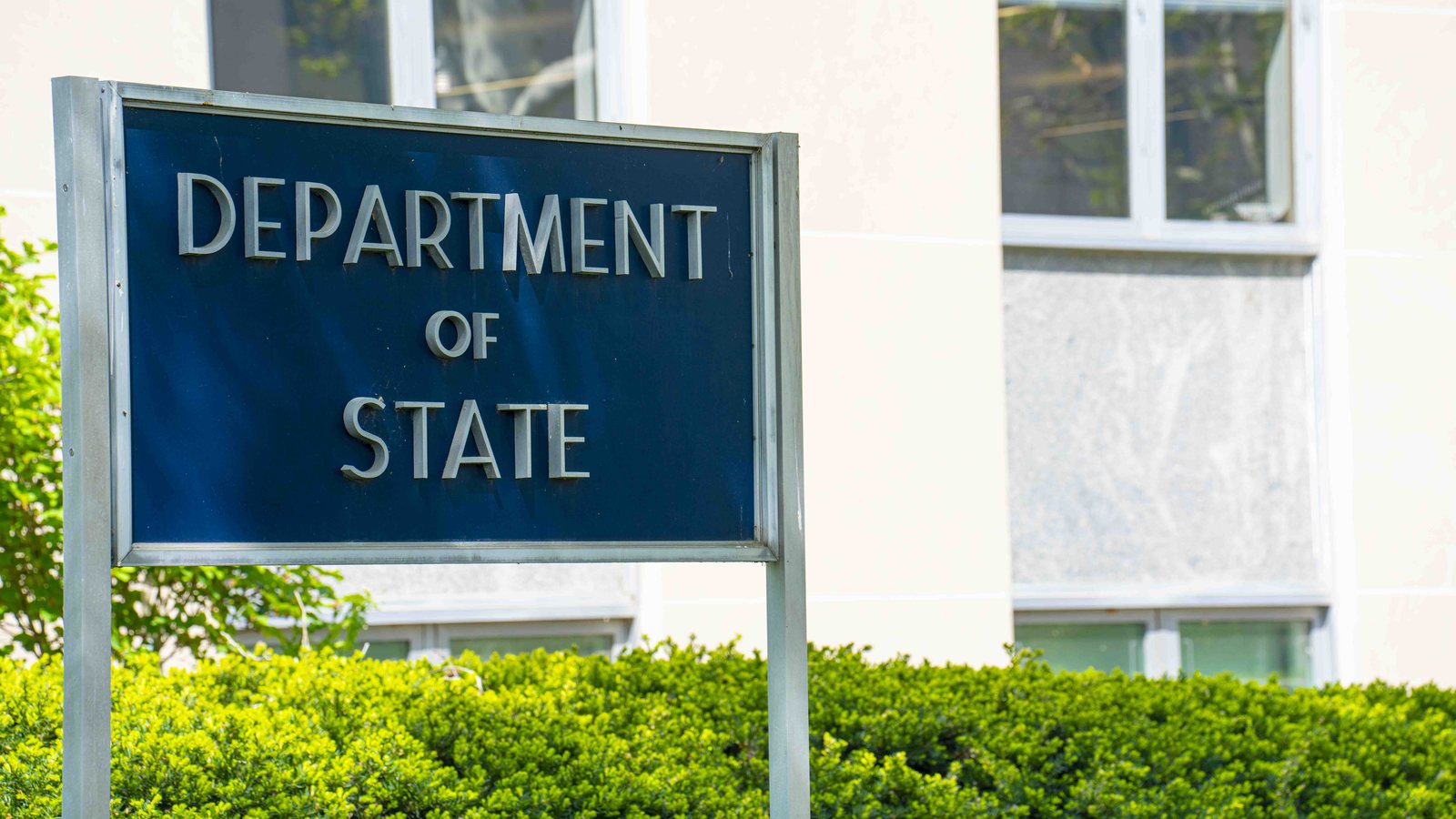

America’s top intelligence official has warned Secretary of State Marco Rubio that Iranian plots to kill Americans abroad have reached “advanced stages.” Director of National Intelligence Jay Clayton says the plots reach beyond the Middle East, into countries he did not name.
His memo, dated Friday, October 23, is already one reason the State Department is pulling staff out of embassies in the region. The same day, the department updated its travel advisory for Saudi Arabia. It now cites “Iranian efforts to target U.S. government officials in the region.”
What does the Clayton memo actually say?
Axios first reported the memo on Saturday. The memo is unclassified. US officials confirmed its authenticity to Fox News and NBC News.
Clayton wrote that “Iran has substantially increased efforts to target U.S. personnel.” The key line reads: “The lethal plotting efforts by the Iranians against U.S. citizens have reached advanced stages in both the Middle East and certain other countries.”
He also flagged a practical problem. The threat matters to “more individuals than are currently cleared to receive this information,” he wrote, according to NBC News. He offered to downgrade as much of the intelligence as possible. That would let Rubio share it more widely inside the State Department.
What the memo leaves out
According to Axios, the memo names no targets and no countries outside the Middle East. It also says nothing about how the plots would work. No public information points to an imminent attack at any particular place.
That gap is the story’s real limit. The evidence behind the “advanced stages” judgment stays classified, so the public has to take it on trust. The Senate confirmed Clayton as DNI by a 51-47 vote in July. We found no public statement from his office beyond the memo as of Saturday.
The warning has a precedent. In November 2024, the Justice Department charged an alleged Revolutionary Guard asset over a murder-for-hire plot. Prosecutors said the targets included Donald Trump and the Iranian-American journalist Masih Alinejad.
Which US embassies are cutting staff?
Saudi Arabia is the biggest change. On Wednesday, October 21, the State Department ordered non-emergency US government staff and their families out of the country, spokesperson Tommy Pigott announced, Al Jazeera reported. The official advisory dates the order to October 23.
Pigott said the order covered “Saudi Arabia only.” He called reports of a wider Gulf evacuation “inaccurate,” according to CBS News.
Since then, the department has ordered further cuts in Lebanon, the United Arab Emirates, Qatar and Jordan, NBC News reported. Those embassies have worked under “restricted operations” since the war began. None of them is under a full ordered departure.
A US official said two threats now drive staffing decisions: Houthi attacks and “Iranian terror plots targeting U.S. officials.”
How the Houthis fit in
The Saudi order followed a run of attacks on the kingdom by Yemen’s Iranian-backed Houthis. On October 21, an attack on King Fahd International Airport in Dammam killed two people and injured eight. That toll comes from Saudi Arabia’s civil aviation authority, Arab News reported. The same morning, debris from an intercepted drone killed two workers at Aramco’s Shaybah oil field.
Those strikes came after earlier Houthi attacks on Saudi airports this month.
The Houthi attacks and the memo describe different dangers. The Houthis fire drones and missiles at Saudi targets. The memo warns of plots aimed at Americans themselves.
Is the US about to strike Iran again?
The war began on February 28, when the US and Israel launched what the Pentagon called Operation Epic Fury. The opening strikes killed Supreme Leader Ali Khamenei, and Iran’s state media confirmed his death, NPR reported.
At a rally in Fort Myers, Florida, on Friday, Trump said, “We may do another little Epic Fury.” He gave no timeline, France 24 reported.
Earlier this month, Trump and White House officials said there would be no new strikes before the November 3 midterms, Scripps News reported. Iran’s foreign minister, Abbas Araghchi, said “We don’t care about U.S. midterm elections,” according to NBC News.
Our earlier explainer covers how the tanker attacks and the Saudi drawdown raised the odds of renewed fighting.
What it means for Americans in the region
The official guidance for Saudi Arabia stays at Level 3, “Reconsider travel.” The updated advisory warns that falling debris from intercepted drones is a risk. It also tells Americans not to photograph interceptions or impact sites. Saudi authorities have detained US citizens for doing that.
The next marker is the memo itself. If Clayton’s office downgrades the intelligence as promised, more State Department staff will see the details. More ordered departures or embassy alerts in the region would be the sign that the threat picture has changed.