
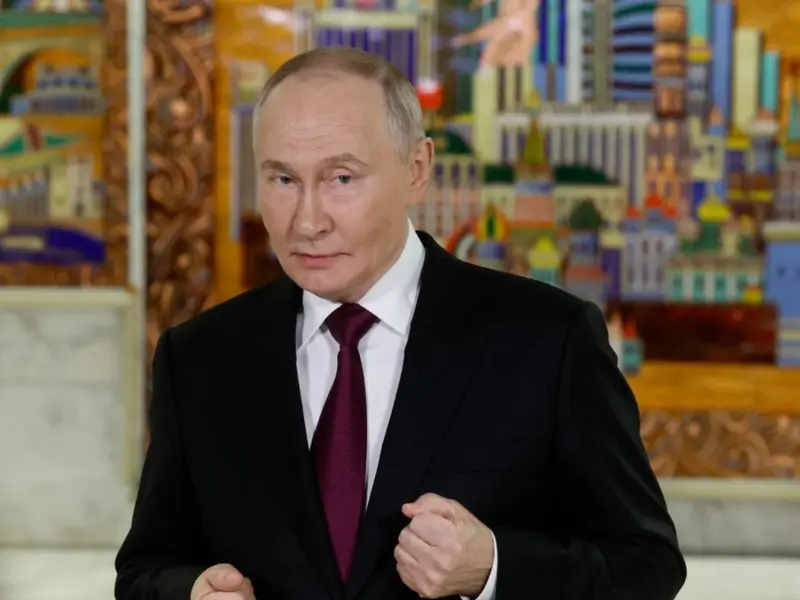
A wave of backlash is building in Russia’s influencer economy, and it is coming from an unexpected corner. Beauty and lifestyle creators, many with millions of followers, are openly criticizing Vladimir Putin over tightening internet restrictions that threaten both their livelihoods and their ability to communicate with audiences. What began as scattered complaints has turned into a visible, high-engagement digital protest.
What triggered the backlash against Putin?
At the center of the controversy is a sweeping crackdown on digital platforms that influencers rely on to operate.
Social media bans are hitting creators directly
Over the past few years, Russia has progressively restricted access to major global platforms. Services like Instagram, Facebook, and YouTube have already been blocked, and now Telegram, once a critical lifeline for Russian creators, has reportedly faced a nationwide ban.
These restrictions have immediate consequences:
- Loss of audience reach
- Collapse of brand partnerships
- Reduced monetization opportunities
For influencers whose income depends on engagement, the impact is not abstract. It is financial and immediate.
Government justification: national security
Russian authorities argue that these measures are necessary to counter external threats, particularly in the context of the war in Ukraine. Regulators such as Roskomnadzor have cited platforms’ failure to remove prohibited content as grounds for enforcement. This creates a sharp divide between state priorities and creator concerns.
Why are beauty influencers leading the criticism?
Unlike political activists, beauty influencers are not typically associated with dissent. That is precisely why their criticism stands out.
Influencers are economic stakeholders
Many of these creators operate as small businesses. Their revenue streams include:
- Sponsored content
- Affiliate marketing
- Direct audience monetization
When platforms disappear, so does their income. This transforms a political issue into an economic crisis for a large segment of digital workers.
High-profile voices amplify the message
Influencers like Victoria Bonya have gone public with unusually direct criticism. In a widely viewed video, she addressed Putin directly, highlighting public fear and dissatisfaction while also pointing to governance issues, including disaster response and economic management.
Another influencer, Aiza Dolmatova, warned that restrictions on Telegram could damage the broader economy and criticized wealth disparities among political elites.
These are not fringe voices. Their reach runs into millions, turning individual statements into mass conversations.
How severe are Russia’s internet restrictions right now?
The current situation reflects a broader shift toward tighter digital control.
Platform bans and enforcement
- Instagram blocked since 2022
- Facebook and YouTube largely inaccessible
- Telegram reportedly banned nationwide in 2026
- VPN usage is increasingly restricted
In addition, Russian law prohibits advertising on blocked platforms, cutting off one of the last remaining revenue streams for influencers.
Reports of internet disruptions
Users in major cities like Moscow and St Petersburg have reported intermittent mobile internet outages, further limiting access even to permitted services.
For creators, this creates a double barrier: fewer platforms and less reliable connectivity.
Why does this matter beyond influencers?
While beauty creators are the most visible critics, the implications extend far beyond social media.
Impact on the digital economy
The influencer industry is part of a larger ecosystem that includes:
- Advertising agencies
- E-commerce platforms
- Content production services
Restrictions on digital platforms ripple through all of these sectors, potentially slowing economic activity.
A shift in public discourse
Social media has been one of the few spaces where Russians could engage in relatively open dialogue. As these spaces shrink, so does the diversity of public conversation. The criticism from influencers reflects a broader sentiment captured in statements like “we’re no longer living in a free country.” Whether that perception is widespread or limited remains difficult to verify, but the visibility of such statements is notable.
Is this a coordinated protest or a spontaneous backlash?
At this stage, there is no clear evidence of coordination.
Signs of a spontaneous movement
- Influencers are speaking independently
- Messages vary in tone and focus
- Some posts are later deleted, suggesting caution rather than organization
Why spontaneity matters
A decentralized backlash can be harder to control because it lacks a single leader or structure. It also suggests that dissatisfaction may be more organic than orchestrated.
What happens next for Russian influencers?
The future of influencer culture in Russia is uncertain and may depend on how both creators and authorities adapt.
Possible scenarios
- Migration to domestic platforms with limited global reach
- Increased use of alternative technologies to bypass restrictions
- Shift toward offline or non-digital business models
- Continued public criticism, potentially followed by stricter enforcement
Each path comes with trade-offs between visibility, income, and risk.
Why this story is gaining global attention
The clash between influencers and the state highlights a broader global tension between digital freedom and government control.
A test case for digital regulation
Russia’s approach could influence how other countries think about regulating platforms, especially during geopolitical conflicts.
The power of non-political voices
When lifestyle influencers enter political conversations, it signals a shift. These voices can reach audiences that traditional political messaging cannot, making their criticism harder to ignore.
TL;DR
- Russian beauty influencers are criticizing Putin over the strict internet and social media bans
- Platforms like Instagram, Facebook, YouTube, and Telegram are restricted or blocked
- Influencers are losing income and audience access, triggering backlash
- The government cites national security concerns for the restrictions
- The situation reflects broader tensions between digital freedom and state control