Corporate values clash prompts unusual automotive decision
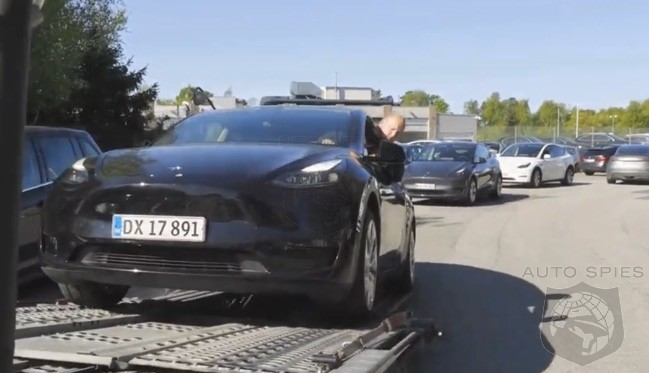
Tscherning, Denmark’s largest construction company, has made a bold statement in the corporate world by returning its entire fleet of Tesla vehicles, not due to performance issues, but explicitly in response to CEO Elon Musk’s increasingly controversial political activities.
The company announced its decision in a pointed LinkedIn post titled “Tscherning changes gears and drives in a new direction,” making clear that the move was directly tied to Musk’s growing political involvement with U.S. President Donald Trump and his support for far-right political movements across Europe.
“At Tscherning, we not only decide how we drive, but also who we drive with. That’s why we’ve chosen to hand over the keys to our Tesla company cars – not because Tesla has become a bad car, but in light of Elon Musk’s political commitment and the opinions he has publicly expressed, which are increasingly hard to overlook,” the company stated.
“We as a company have chosen to say, ‘Thank you for the ride,'” the announcement continued, underscoring the finality of their decision.
Values alignment becomes automotive purchasing factor
The Danish construction giant emphasized that their decision reflected deeper concerns about brand association and corporate values alignment. In an era when corporate social responsibility extends beyond operational practices to partnerships and supply chain relationships, Tscherning determined it could no longer maintain its relationship with the electric vehicle manufacturer.
“We do not want to be associated with the values and political direction that currently accompany the Tesla brand. Therefore, we have chosen to replace our Tesla cars with the European alternatives,” the company explained in its public statement.
This move represents a significant shift in how major corporations are beginning to view their vehicle fleets—not merely as transportation assets but as extensions of their corporate identity and values.
Public reaction supports European manufacturing shift
Social media response to Tscherning’s announcement has been largely supportive, with many commenters praising the company’s principled stand.
“Good initiative, but now Tesla is also just another shoddy American car,” wrote one commenter, reflecting growing sentiment favoring European manufacturers.
Another supporter emphasized the economic implications: “Strong signal to support European production.”
“A brave and exciting decision. If nothing else- lots of signal value,” noted a third commenter, highlighting the symbolic importance of the move in the current political climate.
Musk’s political activities create business complications
The corporate rejection comes amid Musk’s increasingly vocal political activism. Earlier this year, the Tesla CEO adapted Donald Trump’s famous “Make America Great Again” (MAGA) slogan, creating a European version: “Make Europe Great Again” (MEGA).
The initiative found limited traction, with many Europeans expressing concerns that it promoted anti-immigration policies and positions harmful to minority rights, potentially contributing to political instability across the continent.
As one of the world’s wealthiest individuals and the head of multiple high-profile companies, including Tesla, SpaceX, and X (formerly Twitter), Musk’s political statements carry outsized influence. Tscherning’s decision suggests that companies are increasingly willing to make significant operational changes based on the political activities of their business partners and suppliers.
While Tesla remains a dominant force in the electric vehicle market, this high-profile fleet cancellation signals potential challenges ahead as the company’s brand becomes increasingly entangled with its founder’s controversial political positions, particularly in European markets where alternative electric vehicle options continue to proliferate.