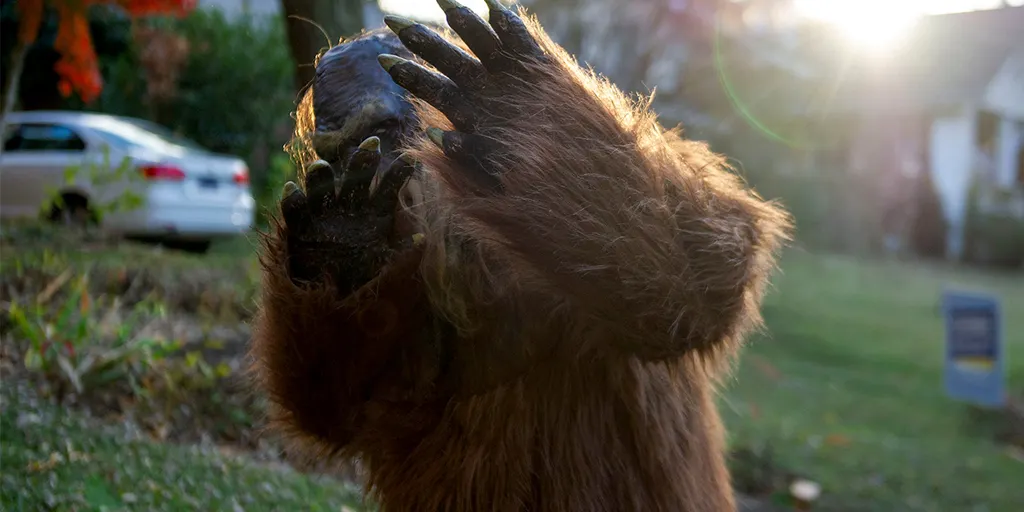
Reports of Bigfoot sightings in Ohio are making headlines again—this time in the northeastern part of the state, where residents claim to have seen large, fur-covered figures and unusually massive footprints. While skeptics remain unconvinced, the volume of recent accounts has reignited a familiar question: why do these sightings tend to spike under certain conditions?
The latest wave began in March, with sightings concentrated between Akron and Youngstown in Portage County. Witnesses describe a towering figure—between 6 and 10 feet tall—leaving behind footprints measuring up to 17 inches. For believers, that’s not just unusual; it’s evidence.
What Are People Reporting in Northeast Ohio?
Consistent descriptions, scattered encounters
Across multiple accounts, a pattern is emerging:
- A large, upright creature, covered in dark fur
- Estimated height ranging from 6 to 10 feet
- 17-inch footprints, suggesting a very large bipedal figure
- Sightings clustered in wooded and semi-rural areas
Some witnesses claim they’re not dealing with a lone creature. Instead, they suspect a group or family moving through the region.
Photos of footprints have circulated locally, though none have been independently verified.
Why Are Bigfoot Sightings in Ohio Increasing Now?
The harsh winter theory
A key explanation gaining traction links the sightings to recent weather patterns.
Northeast Ohio experienced dual snowstorms within a short period, which may have disrupted wildlife habitats. According to local researchers:
- Heavy snow can limit food availability
- Flooding from the melt can displace animals
- Creatures may move closer to populated areas in search of resources
This theory mirrors a historical pattern.
A look back at 1978
The last major spike in Bigfoot sightings in the region occurred in 1978, following one of the most severe winters in U.S. history.
- The Cleveland Superbomb snowstorm hit the Ohio Valley and Great Lakes
- Reports of unusual sightings increased as conditions improved
- Similar environmental stressors were cited at the time
The parallel has not gone unnoticed by local investigators.
Who Is Investigating the Claims?
Local researchers step in
Mike Miller, co-founder of the Ohio Nightstalkers Bigfoot Research Group, is among those examining the recent reports.
He believes environmental disruption may be driving the sightings:
- Flooded habitats could be forcing movement
- The creatures may be protecting territory or raising young
- Increased human overlap leads to more encounters
Miller also points to audio recordings he claims capture unusual vocalisations.
“Some of those screams pegged higher than a baboon on the spectrograph,” he said, suggesting the sounds don’t match known animal patterns.
Additional eyewitness accounts
Jeremiah Byron, host of the Bigfoot Society podcast, is assisting with the investigation. One reported sighting stands out:
- A pair of hikers described a creature that turned its entire upper body instead of its neck
- The movement was considered unusual and “non-human.”
One hiker reportedly summarized the experience bluntly:
“I know what I saw, but I don’t know what I saw.”
How Credible Are These Bigfoot Sightings?
The evidence gap
Despite the surge in reports, one issue remains unchanged:
There is no definitive proof.
In an era where nearly everyone carries a smartphone, the absence of clear photographic or video evidence raises questions.
- Footprint images are inconclusive
- Audio recordings lack independent verification
- Eyewitness accounts vary in detail and reliability
Scientific perspective
From a scientific standpoint, several explanations are more likely:
- Misidentified animals (such as bears standing upright)
- Optical illusions in low visibility conditions
- Psychological factors, including expectation and suggestion
Extraordinary claims require extraordinary evidence—and so far, that standard hasn’t been met.
Why Ohio Ranks High for Bigfoot Sightings
A hotspot for reports
Ohio consistently ranks among the top states for Bigfoot sightings in the U.S., often placed fourth nationally.
Several factors may contribute:
- Extensive wooded areas and rural landscapes
- High population density compared to other forested regions
- Active local folklore and research communities
In other words, there are both opportunities for sightings and communities ready to interpret them.
The Role of Folklore and Modern Media
Bigfoot as a cultural phenomenon
Bigfoot—also known as Sasquatch—has long been part of North American folklore.
- Stories date back generations
- Indigenous narratives often include similar beings
- Modern media has amplified and reshaped the legend
Today, podcasts, documentaries, and online forums keep the conversation alive.
The feedback loop effect
Media coverage can influence reporting:
- Increased attention leads to more people coming forward
- Existing beliefs shape how sightings are interpreted
- Social media accelerates the spread of claims
This doesn’t necessarily invalidate sightings—but it complicates how they’re evaluated.
Could There Be a Natural Explanation?
Known wildlife behavior
Some experts point to more grounded possibilities:
- Black bears can appear unusually large and walk briefly on two legs
- Snow and mud can distort footprint size
- Harsh weather can alter animal movement patterns
Environmental stress and perception
After extreme weather events:
- Landscapes change dramatically
- Familiar environments feel unfamiliar
- People may be more alert—or more anxious
These conditions can make unusual sightings more likely, even without an unknown creature.
Why This Story Keeps Coming Back
The latest surge in Bigfoot sightings in Ohio reflects more than just local curiosity. It taps into something deeper:
- A fascination with the unknown
- A desire to believe there’s more beyond what we understand
- The enduring appeal of mysteries that resist resolution
Even without proof, the story persists—adapting to new conditions, new witnesses, and new platforms.
TL;DR
- Northeast Ohio has seen a spike in Bigfoot sightings since March.
- Witnesses report large, fur-covered figures and 17-inch footprints.
- Harsh winter conditions may have displaced wildlife, increasing encounters.
- Similar patterns were observed after the severe winter of 1978.
- No conclusive evidence exists; sightings remain unverified.