
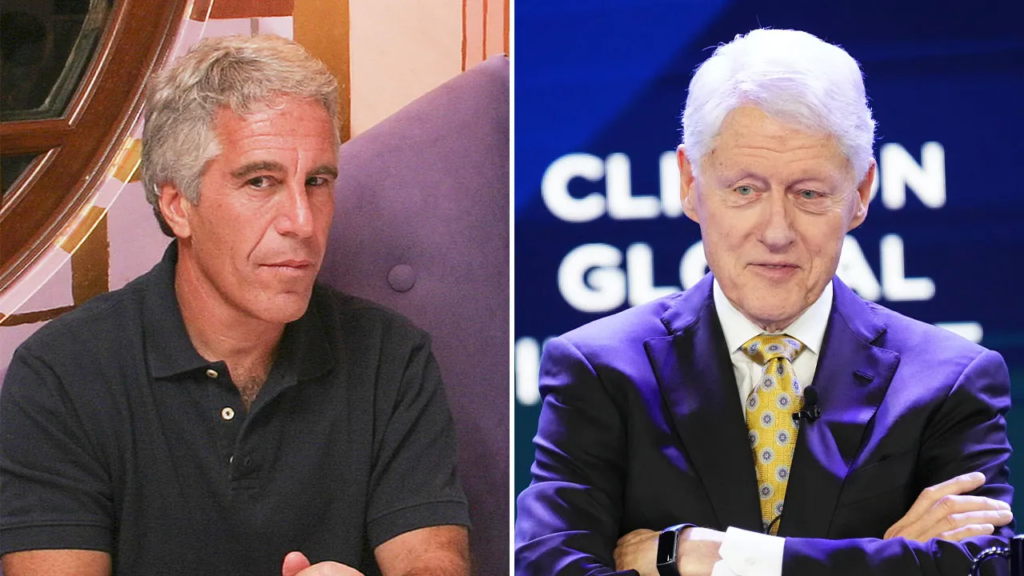
A newly released set of Epstein-related documents has surfaced an FBI interview containing deeply disturbing allegations involving former U.S. presidents Bill Clinton and George W. Bush, as well as references to Donald Trump.
The claims appear in a transcript of an FBI interview conducted in August 2019 and form part of a broader document release tied to the Jeffrey Epstein case. The allegations are graphic, unverified, and explicitly flagged by authorities as unsupported by corroborating evidence.
What follows is a careful explanation of what the documents contain, how the FBI assessed the claims, and why the context matters.
What Do the Newly Released Epstein Files Contain?
The latest tranche of Epstein files includes emails, interview transcripts, and internal notes released following court orders and transparency mandates. Among them is an FBI interview with an individual identified as a victim who described alleged abuse dating back decades.
These records reflect information received by investigators rather than conclusions reached by law enforcement. The FBI routinely documents allegations, even when they are later deemed unreliable or unsubstantiated.
What Does the FBI Interview Allege?
According to the interview transcript dated August 27, 2019, the interviewee alleged that he was sexually assaulted aboard a yacht around the year 2000. The interview references Jeffrey Epstein and names Bill Clinton as a participant in the alleged abuse. George W. Bush is also named in the broader set of claims. Donald Trump is mentioned as being present on the trip, according to the interviewee.
The interviewee stated that he was in a heavily drug-induced state during the alleged incident. He also described extreme and violent imagery that investigators recorded verbatim but did not verify.
How Did the FBI Assess These Claims?
The transcript itself makes clear that the interviewee did not provide corroborating evidence to support his allegations.
According to the document:
- The claims were based on what the interviewee described as recovered or repressed memories
- He acknowledged extensive past drug use
- The FBI noted concerns about his emotional stability
- Investigators did not expand the inquiry or pursue charges
The FBI recorded that, at the time of the interview, the individual was not intoxicated, but agents expressed skepticism regarding the reliability of the account.
This distinction is crucial. FBI interviews are records of what someone said, not determinations of fact.
Who Brought the Interviewee to the FBI?
The documents state that the interviewee was brought to the FBI by Michael Moore, who is described in the file as a controversial figure and has been characterized by critics as promoting conspiracy-driven narratives.
The presence of a third party does not invalidate a claim, but it is part of the context investigators consider when assessing credibility.
Are There Any Charges or Findings Against the Named Figures?
No.
There are:
- No indictments
- No corroborating witness statements
- No physical or documentary evidence was cited in the file
- No follow-up investigation was disclosed in the released material
Neither Bill Clinton, George W. Bush, nor Donald Trump has been charged in relation to the allegations described in this interview.
Legal experts consistently warn against equating inclusion in raw investigative records with proof of wrongdoing.
Why Are These Allegations Drawing Attention Now?
The Epstein case remains uniquely sensitive because of Epstein’s documented access to powerful people and his history of sexual crimes. Each new document release tends to generate renewed scrutiny, even when the material consists of unverified or previously assessed claims.
Public interest is heightened when prominent political figures are named, regardless of whether the claims have evidentiary support.
The Broader Pattern in Epstein Document Releases
This episode reflects a recurring issue with large-scale transparency efforts.
They often include:
- Raw allegations recorded without validation
- Claims investigators chose not to pursue
- Graphic descriptions preserved for completeness, not confirmation
Without context, such material can easily be misread as fact.
Responsible reporting requires making clear distinctions between allegations, evidence, and legal outcomes.
Why Context Matters in Reporting Epstein-Related Claims
Sexual abuse allegations deserve to be taken seriously. At the same time, accusations—especially those involving public figures—require corroboration to meet legal and journalistic standards.
In this case:
- The FBI documented the claims
- The FBI did not substantiate them
- No legal action followed
Those facts are as important as the allegations themselves.
TL;DR
A newly released Epstein file includes an FBI interview from 2019 containing graphic allegations involving Bill Clinton, George W. Bush, and mentions of Donald Trump. The claims were unverified, unsupported by evidence, and not pursued by investigators. The FBI recorded credibility concerns about the interviewee and did not expand the investigation. No charges have been filed against any of the named individuals.