Quick Summary
Five cases of Legionnaires’ disease have been confirmed in Harlem, prompting a public health investigation. The illness is not contagious but can be life-threatening, especially for older adults, smokers, and those with lung conditions. Officials urge anyone with flu-like symptoms to seek medical care immediately. The disease is believed to spread through contaminated water droplets, not from person to person.
New York City health officials are investigating a fresh cluster of Legionnaires’ disease in Harlem after five new cases were reported over the weekend. While no deaths have occurred so far, authorities are urging residents to stay alert—especially those in high-risk categories.
What Is Legionnaires’ Disease?
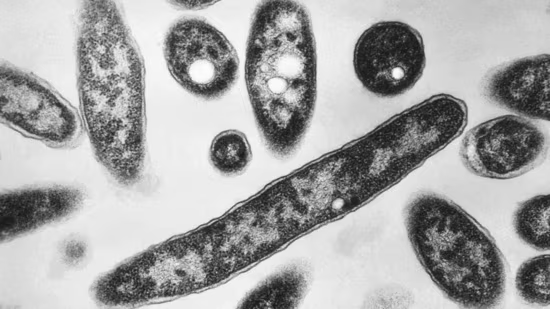
Legionnaires’ disease is a severe, pneumonia-like illness caused by Legionella bacteria. It is not contagious person-to-person, but it can be fatal if not diagnosed and treated promptly.
The bacteria are typically spread through inhalation of contaminated water droplets, making water systems the most common source of outbreaks. This includes:
- Cooling towers from large air-conditioning systems
- Hot tubs and whirlpool spas
- Humidifiers
- Showerheads and sink faucets
- Decorative fountains
- Plumbing systems in large buildings
Why Are Officials Concerned?
Although only five cases have been confirmed in Manhattan so far, NYC health authorities have taken the matter seriously, launching an investigation and initiating water testing in suspected sources.
Dr. Toni Eyssallenne, Deputy Chief Medical Officer, issued a statement urging New Yorkers—especially vulnerable populations—to seek medical attention if they experience flu-like symptoms.
“Legionnaires’ disease can be effectively treated if diagnosed early,” she said. “But New Yorkers at higher risk, like adults aged 50 and older, those who smoke or have chronic lung conditions, should be especially mindful of their symptoms.”
Who Is Most at Risk?
Legionnaires’ disease can affect anyone, but certain groups are more vulnerable:
- Adults over age 50
- Smokers
- People with chronic lung diseases like COPD or asthma
- Individuals with weakened immune systems (e.g., cancer patients, transplant recipients)
Because the disease affects the lungs, people in these categories are more likely to experience complications or require hospitalization.
What Are the Symptoms?
The early symptoms of Legionnaires’ disease closely resemble the flu or COVID-19 and may include:
- High fever
- Cough (often dry but sometimes with phlegm)
- Shortness of breath
- Muscle aches
- Headache
- Gastrointestinal issues (like diarrhea or nausea)
Given the similarity to other respiratory illnesses, testing is crucial for accurate diagnosis.
How Is Legionnaires’ Disease Diagnosed and Treated?
Diagnosis usually involves:
- Chest X-ray to check for pneumonia
- Urine test to detect Legionella antigens
- Sputum culture (if the patient is coughing up mucus)
Once diagnosed, the disease is treated with antibiotics, often administered in a hospital setting for severe cases. Most people recover with prompt care, but delays in diagnosis or treatment can lead to serious complications or even death.
Past Outbreaks in the U.S.
This isn’t the first time New York has faced an outbreak:
- In 2022, an outbreak in the Highbridge section of the Bronx resulted in two deaths and more than 20 hospitalisations.
- In 2023, Legionella was detected aboard cruise ships and inside two Las Vegas casinos.
- Just last month, Australia reported a death linked to Legionnaires’ disease in Sydney.
These incidents underline the global nature of the threat and the importance of routine inspections and water quality monitoring in large buildings and facilities.
What’s Next for Harlem Residents?
The NYC Department of Health has begun sampling water systems in Harlem and surrounding areas to trace the source. While the investigation is ongoing, residents are being asked to:
- Report symptoms immediately to a healthcare provider.
- Avoid using hot tubs, decorative fountains, or steam rooms in affected areas until cleared.
- Stay informed through official city health advisories and updates.
There’s currently no need to avoid drinking tap water, as Legionella spreads through inhalation, not ingestion.