
A rare and increasingly recognized condition called alpha-gal syndrome has been linked to the death of a New Jersey man who unknowingly became allergic to meat. The 47-year-old airline pilot died hours after eating a hamburger, two weeks after experiencing a similar but non-fatal reaction to red meat.
The primary keyword, alpha-gal syndrome, appears early and naturally within the introduction for SEO value.
What happened before the man’s death?
According to research published in the Journal of Allergy and Clinical Immunology, the man developed symptoms shortly after a steak dinner earlier in the year. Within hours, he began experiencing severe abdominal pain, vomiting, and diarrhea. Although he recovered the next day, he told his son he felt like he was “going to die”.
Two weeks later, he attended a barbecue and ate a hamburger around 3 pm. Four and a half hours later, he began vomiting and collapsed, losing consciousness. His son found him on the bathroom floor and called 911 at 7:37 pm.
Paramedics attempted resuscitation for two hours, but he was pronounced dead at 10:22 pm.
At the time, the autopsy listed the cause of death as “sudden unexplained death.” His wife, however, suspected there was more to the story.
How doctors connected the death to alpha-gal syndrome
The family reached out to a trusted doctor, who then contacted specialists at the University of Virginia Health. Dr Thomas Platts-Mills, a leading expert on the condition, identified signs consistent with alpha-gal syndrome.
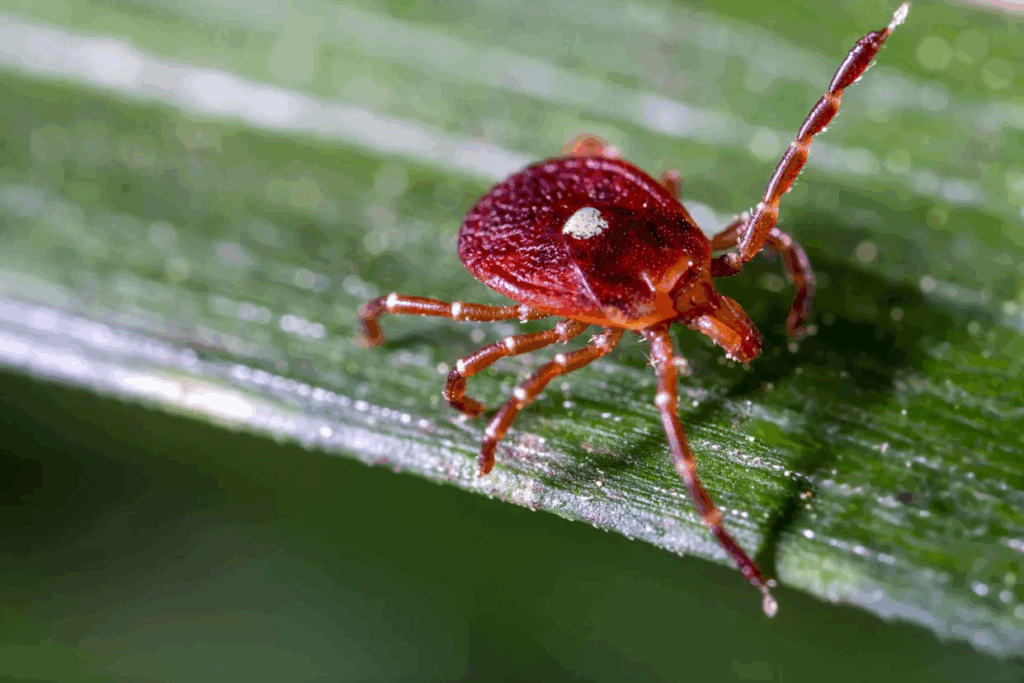
Although the man had no obvious tick bite marks, doctors found multiple “chigger” bites on his ankle. Chiggers are larvae of lone star ticks—an aggressive species known to transmit alpha-gal, a sugar molecule carried in their saliva.
Alpha-gal is also present in most mammalian meats, including:
- Beef
- Pork
- Lamb
- Venison
When the immune system becomes sensitized to alpha-gal, it may trigger severe allergic reactions upon consuming these foods.
What is alpha-gal syndrome?
Alpha-gal syndrome is a delayed-onset allergy to red meat and mammalian products. It is typically triggered by a bite from the lone star tick, which is most common in the southeastern and mid-Atlantic United States.
How the allergy works
Unlike most food allergies, alpha-gal symptoms often appear 3 to 6 hours after eating meat. This delay is why many patients struggle to identify what triggered their reaction.
Symptoms can include:
- Abdominal pain
- Nausea and diarrhoea
- Hives or swelling
- Difficulty breathing
- Anaphylaxis in severe cases
The reaction is caused by the immune system attacking alpha-gal molecules in meat after having been sensitized through tick bites.
Who is most at risk?
People who:
- Spend time outdoors or camping
- Live in areas with high lone star tick populations
- Have a history of unexplained allergic reactions after eating meat
Cases have risen rapidly in recent years, especially in states like Virginia, North Carolina, Tennessee, and New Jersey.
Why is this case medically significant
The journal reports the man’s death as the first recorded fatality linked to alpha-gal syndrome in the United States. Most people with the condition experience moderate to severe gastrointestinal symptoms, but fatal reactions remain extremely rare.
However, experts say this case underscores the dangers of delayed anaphylaxis. Because symptoms appear hours after eating, people may be asleep, alone, or unaware of the severity until it is too late.
Is there any treatment for alpha-gal syndrome?
There is currently no cure or medical treatment that can reverse the allergy. The only way to prevent reactions is to avoid foods containing alpha-gal, including:
- Red meat
- Some dairy products
- Gelatin-based foods
- Certain medications and medical products derived from mammals
Doctors recommend carrying an epinephrine auto-injector and taking precautions to reduce tick exposure.
Why public awareness matters
Dr. Platts-Mills emphasized that awareness is crucial, especially in regions where Lone Star ticks are common. Many people continue eating meat without linking their symptoms to a tick bite from weeks or months earlier.
Rising temperatures, expanding tick habitats, and increased outdoor recreation may lead to more cases in the coming years.
Healthcare providers, too, are urged to recognize the signs, especially in patients reporting severe gastrointestinal distress hours after meals containing red meat.
TL;DR
- A New Jersey man died after a delayed allergic reaction triggered by eating a hamburger.
- Doctors later confirmed he had alpha-gal syndrome, a meat allergy caused by lone star tick bites.
- His first severe reaction occurred two weeks earlier after eating steak.
- Alpha-gal syndrome has no cure, and avoiding red meat is the only prevention.