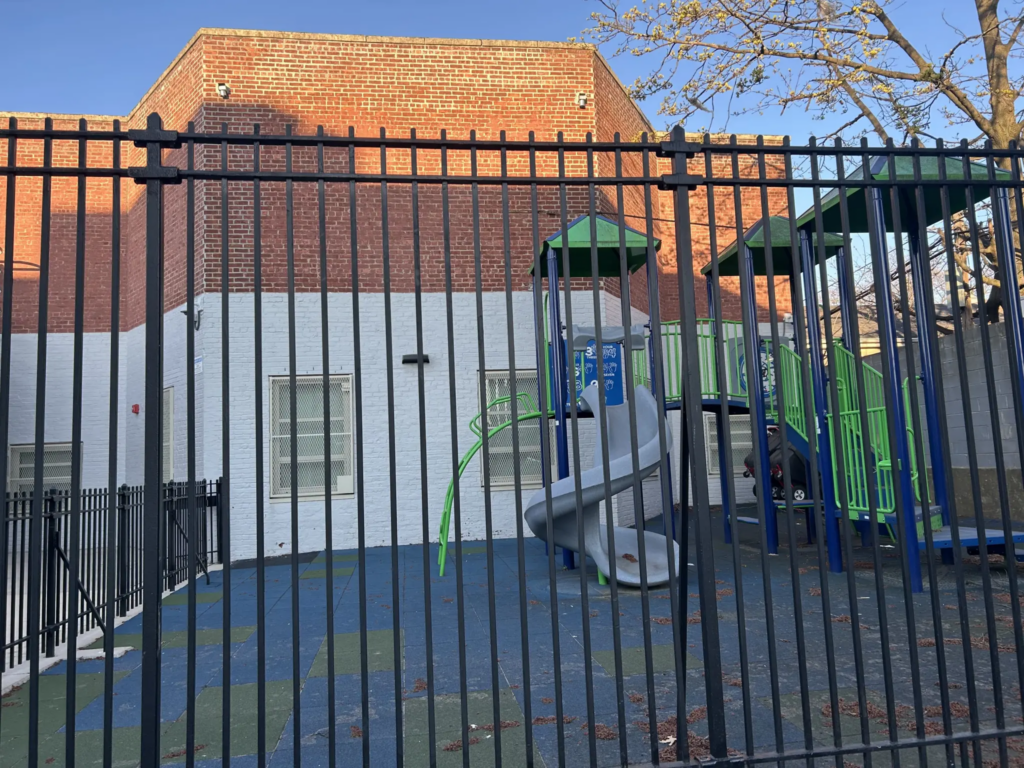
New York City has spent nearly $100 million renting and maintaining dozens of preschool buildings that have yet to open, years after they were planned. The issue, tied to an ambitious early childhood expansion, is now drawing scrutiny from parents, officials, and budget watchers alike.
At the center of the controversy: 28 unused facilities intended for the city’s “3-K for All” program, a flagship initiative launched under former mayor Bill de Blasio. Despite rising demand for early education in several neighborhoods, many of these sites remain empty.
What Happened to NYC’s 3-K Expansion Plan?
The problem traces back to a rapid rollout of universal preschool programs.
The original goal
Under Bill de Blasio, New York aimed to provide the following:
- Free, full-day preschool for 3-year-olds (3-K for All)
- Thousands of new seats across the city
- Expanded access to early childhood education
To achieve this, the city earmarked roughly $400 million to build or renovate facilities.
Where things went wrong
The expansion moved quickly—but not always strategically.
- 47 “initiative projects” were launched
- Sites were selected without fully assessing local demand
- Construction and leasing moved ahead even in areas with low enrollment needs
The result: a network of “phantom” preschools, built or leased, but never used.
How Much Has This Cost Taxpayers?
The financial impact is substantial and ongoing.
Key figures
- $99.3 million+ spent on rent and utilities for unused sites
- 28 facilities still not offering 3-K seats
- Millions more spent on construction and renovations
Some examples illustrate the scale:
- A Queens site costing $10.8 million remains unused
- A Manhattan property has racked up $6.8 million in rent and energy costs
- A Brooklyn location has seen millions spent despite sitting vacant since 2022
In some cases, the city continues paying hundreds of thousands of dollars annually per site—without any students inside.
Why Are These Preschools Still Empty?
The reasons vary, but a few patterns stand out.
Poor location planning
Some buildings were placed in areas where:
- Demand for 3-K seats was already low
- Existing centers had empty slots
- Demographics made public preschool less likely to be used
For example, one Queens facility was built near neighborhoods where families often prefer private or religious schooling options.
Mismatch between supply and demand
Ironically, while some areas have empty buildings:
- Other neighbourhoods face long waitlists
- Popular programs receive 100+ applications for fewer than 20 seats
This imbalance highlights a core issue: capacity exists, but not where it’s needed.
Execution challenges
A former Department of Education official described the issue bluntly as “incompetence,” not corruption, pointing to:
- Rushed decision-making
- Lack of coordinated planning
- Insufficient demand analysis
The Political Back-and-Forth
Responsibility for the issue has become a point of debate among city leaders.
De Blasio’s defense
Bill de Blasio argues that
- His administration successfully filled seats through outreach
- Later administrations scaled back engagement efforts
- Demand could rebound with renewed focus
Adams administration’s response
Current leadership under Eric Adams has countered that.
- They inherited a system with thousands of empty seats
- The priority shifted to stabilising enrollment rather than expanding capacity
A new direction under Mamdani
Mayor Zohran Mamdani has begun addressing the issue by:
- Announcing plans to open several long-vacant sites
- Pushing forward with expanded childcare access
Still, only a fraction of unused facilities are scheduled to open so far.
What This Means for NYC Parents
For families, the issue isn’t abstract—it’s daily life.
High demand in some neighborhoods
In areas like Brooklyn and Manhattan:
- Parents report intense competition for seats
- Some programs see 10x more applicants than available spots
Real-world consequences
- Longer commutes to distant schools
- Reliance on expensive private childcare
- Frustration over unused public resources
One Brooklyn parent described the situation as “a real misstep,” especially when empty buildings sit near neighbourhoods with clear demand.
Why This Matters Beyond NYC
This isn’t just a local budgeting issue—it reflects broader challenges in public policy execution.
Lessons for urban planning
- Infrastructure must align with actual community needs
- Data-driven site selection is critical
- Speed should not override strategic planning
The cost of inefficiency
Unused public assets represent:
- Wasted taxpayer money
- Lost opportunities for social impact
- Erosion of public trust
Are There Any Signs of Progress?
There are early indications that the city is trying to course-correct.
Recent developments
- Plans to open seven 3-K locations soon
- Some vacant sites are being repurposed temporarily
- Ongoing internal review by the Department of Education
However, many questions remain:
- When will the remaining sites open?
- Will they match actual demand this time?
- Can the city recover sunk costs?
What Should Happen Next?
Experts and parents alike point to a few clear priorities.
Smarter allocation of resources
- Shift focus to high-demand neighbourhoods
- Repurpose underused sites more aggressively
Better data use
- Use enrollment trends to guide decisions
- Continuously reassess demand
Transparency and accountability
- Public updates on unused properties
- Clear timelines for openings or repurposing
TL;DR
- NYC has spent nearly $100 million on unused preschool buildings
- 28 sites intended for the 3-K for All program remain empty
- Poor planning and demand mismatch are key causes
- Parents face high competition for limited seats in some areas
- City leaders are beginning to open some sites—but most remain unused