
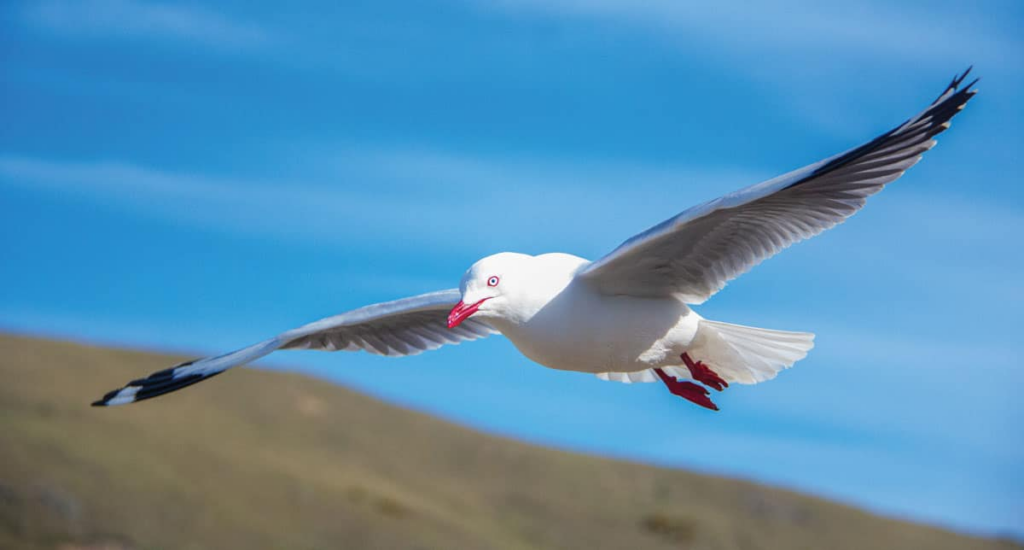
A festive Easter gathering in Scotland took a chaotic turn when dozens of seagulls swooped down on families in what experts are calling increasingly coordinated seagull attacks. The incident, which unfolded during an Easter egg hunt in Inverness, has raised fresh concerns about changing bird behavior—and how cities are struggling to respond.
Organizers say the attacks weren’t random. They appeared deliberate, timed, and, in some cases, alarmingly effective.
What Happened During the Seagull Attacks in Inverness?
The disruption occurred at a public Easter event organized by Inverness Business Improvement District (BID), where families gathered for a traditional egg hunt.
A Celebration Interrupted
Instead of a calm afternoon, attendees found themselves
- Ducking for cover as gulls swooped overhead
- Shielding children from sudden strikes
- Scrambling to protect food and belongings
Event organizers reported at least 16 separate incidents involving aggressive gull behavior in a single day.
“Frequent and Coordinated” Behavior
According to BID ambassador Janice Worthing, the attacks followed a pattern:
- Birds lingered nearby, observing crowds
- They waited for moments of distraction
- One gull initiated the swoop, then others joined
“They stay around, watch, and strike when they find the right opportunity,” Worthing said, describing what she called “frequent and coordinated behavior from adult gulls.”
In some cases, gulls reportedly called others before launching repeated dives, targeting both adults and children.
Why Are Seagull Attacks Becoming More Coordinated?
While aggressive gull behavior isn’t new, experts say the level of coordination being observed is unusual—and potentially increasing.
Breeding Season Aggression
The timing of the incident is key. Spring marks the start of the gull breeding season, when birds become highly protective.
During this period:
- Adult gulls defend nests and chicks aggressively
- Humans are perceived as threats, even at a distance
- Attacks become more frequent and bold
Learned Urban Behavior
Seagulls in urban areas have adapted to human environments in ways that blur instinct and strategy.
Possible explanations include:
- Food conditioning: Gulls associate people with easy meals
- Observation learning: Birds watch and mimic successful tactics
- Group signaling: Vocal calls may coordinate group responses
This combination can create behavior that appears strikingly similar to planned ambushes.
How Are Authorities Responding to the Rise in Seagull Attacks?
Local officials are now trying to better understand and manage the surge in aggressive encounters.
A New Reporting Tool
Highland Council has introduced a public reporting system to track incidents.
Residents are asked to provide:
- Date and time of the encounter
- Exact location
- Description of the behavior
Why Data Matters
Officials say the goal is to identify:
- Hotspots where attacks are frequent
- Behavioral patterns linked to specific triggers
- Whether aggression is tied to:
- Chick protection
- Food scavenging
A council spokesperson noted that this data will help shape “targeted and proportionate” mitigation strategies.
Why Can’t Authorities Simply Remove the Birds?
Managing aggressive gulls isn’t straightforward—largely because of legal protections.
Wildlife Laws Limit Intervention
Under the Wildlife and Countryside Act 1981:
- It is illegal to capture or injure wild birds
- Disturbing nests or eggs is prohibited
- Any intervention must meet strict criteria
This means authorities must rely on non-lethal, preventative measures rather than direct removal.
Past Proposals Have Fallen Short
Efforts to take broader action have faced obstacles. A proposed audit of gull populations in coastal communities, backed by Scottish Conservative leader Douglas Ross, was ultimately rejected due to cost concerns.
What Can People Do to Avoid Seagull Attacks?
While long-term solutions are still being developed, wildlife experts have offered practical, if unconventional, advice.
Immediate Safety Tips
According to guidance shared at a wildlife summit involving NatureScot:
- Wave your arms overhead while walking to deter swooping
- Maintain awareness of surroundings, especially near nesting areas
- Avoid carrying visible food in open containers
The “Googly Eyes” Trick
One of the more unusual recommendations:
- Draw large eyes on takeaway boxes or containers
The idea is simple, gulls are less likely to attack when they feel watched.
While it may sound odd, the method is based on predator-prey psychology observed in multiple species.
Why This Matters Beyond One Easter Event
The Inverness incident highlights a broader issue: human-wildlife conflict in urban spaces is evolving.
A Growing Pattern
Across coastal towns and cities, reports of aggressive gulls are increasing. Key drivers include:
- Expanding urban habitats
- Declining natural food sources
- Increased human-gull interaction
A Shift in Animal Behavior
What stands out in this case isn’t just aggression—it’s apparent coordination.
If birds are indeed:
- Observing human behavior
- Timing attacks strategically
- Communicating within groups
…it suggests a level of adaptability that challenges how we understand urban wildlife.
What Comes Next?
Authorities are betting on data-driven strategies to reduce conflict, but solutions will likely require a mix of:
- Public awareness
- Waste management improvements
- Habitat adjustments
In the meantime, experts warn that incidents may rise as the breeding season continues.
TL;DR
- Seagulls disrupted an Easter event in Inverness with coordinated swooping attacks
- At least 16 incidents were reported in a single day
- Experts link the behavior to the breeding season and learned urban habits
- Authorities are tracking incidents to identify patterns and hotspots
- Legal protections limit direct intervention, so prevention is key