
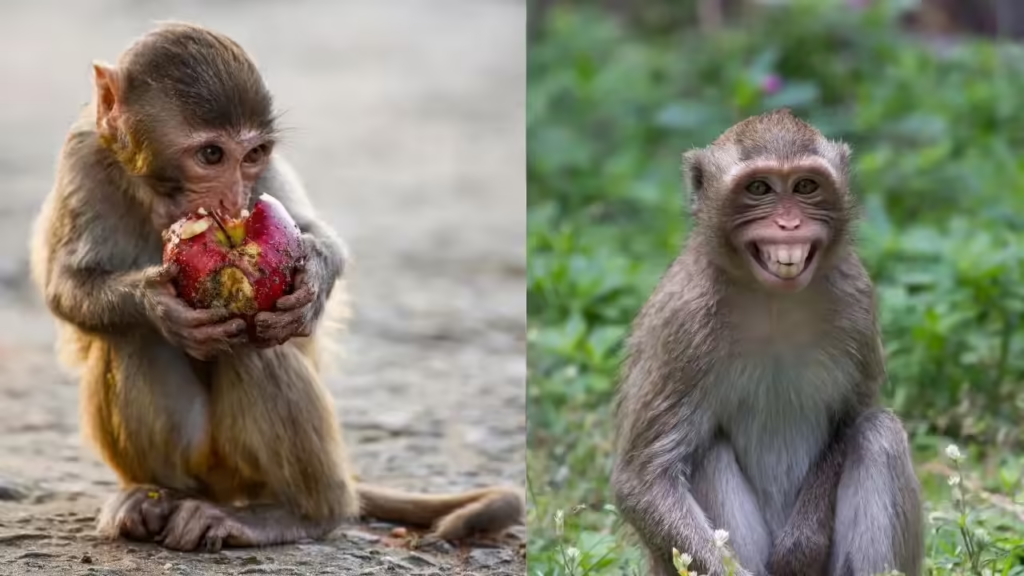
The Gibraltar monkeys’ junk food problem is no longer a quirky tourist anecdote; it’s a measurable shift in animal behavior with real health consequences. On the rocky slopes of Gibraltar, the famous Barbary macaques are eating chips, chocolate, and ice cream handed to them by visitors. Then, oddly, they turn to dirt.
Researchers now believe that the second step, eating soil, isn’t random. It may be the monkeys’ way of coping with a diet humans introduced.
What Is Happening to Gibraltar’s Monkeys?
The short version: tourists are feeding wild macaques processed food, and the animals are adapting in ways scientists didn’t expect.
A long-term observational study, led by researchers including experts from the University of Cambridge and published in Scientific Reports, tracked macaque behavior from 2002 to 2024.
Here’s what they found:
- Monkeys near tourist-heavy areas consume significantly more human food
- These same monkeys are far more likely to eat soil
- Soil consumption spikes during peak tourist seasons
- Isolated groups (with little human interaction) don’t show this behavior
The correlation is hard to ignore: more junk food equals more dirt eating.
Why Are Monkeys Eating Soil?
A Possible Biological “Fix”
Scientists believe the soil consumption may be a form of self-medication, a behavior known in animal science as geophagy.
After eating highly processed foods—think sugary, salty, fatty snacks, the monkeys may experience digestive imbalance. Soil could help in several ways:
- Rebalancing gut bacteria (microbiome)
- Neutralizing toxins or irritants
- Providing missing minerals
In simple terms, the monkeys may be trying to fix what junk food breaks.
Not All Dirt Is Equal
Interestingly, the macaques aren’t eating just any soil. They show preferences:
- Terra rossa (red clay) is widely favored
- Some groups prefer tar-mixed soil from roads
- Behavior spreads socially, monkeys copy each other
This suggests learning and cultural transmission within groups, not just instinct.
How Tourism Is Driving the Change
Junk Food Access Is Easy—and Frequent
Despite regulations, tourists routinely feed monkeys items like the following:
- Ice cream (Magnums and Cornettos are favorites)
- Chocolate bars and candy
- Chips and processed snacks
- Bread and even pasta
- Sugary drinks like soda and juice
These foods are calorie-dense and highly appealing, but completely unnatural for the animals.
Seasonal Patterns Tell the Story
During peak tourist seasons:
- Junk food consumption doubles
- Soil eating increases sharply
During off-season periods:
- Junk food intake drops by ~40%
- Soil consumption drops by over 30%
That seasonal swing strongly reinforces the cause-and-effect relationship.
What Does This Mean for Monkey Health?
Short-Term Effects
- Digestive distress
- Changes in gut bacteria
- Increased reliance on compensatory behaviors (like soil eating)
Long-Term Risks
- Chronic health issues
- Nutritional imbalances
- Behavioral dependency on humans
There’s also a broader ecological concern: wild animals losing natural foraging habits.
Why This Matters Beyond Gibraltar
This isn’t just about one population of monkeys.
It’s a case study in how human interaction—especially tourism—can reshape wildlife behavior in subtle but serious ways.
A Pattern Seen Worldwide
Similar issues have been observed in:
- Urban monkeys in India raiding packaged food
- Bears in North America associate humans with food
- Birds in cities are becoming dependent on processed scraps
The Gibraltar case stands out because of the clear behavioral chain:
Human food → digestive disruption → soil consumption
That sequence gives scientists rare insight into how animals adapt to human-induced changes.
Can This Be Fixed?
Enforcement Already Exists—But It’s Weak
Feeding monkeys in Gibraltar is technically illegal. But enforcement is inconsistent, and tourists often ignore warnings.
What Needs to Change
1. Stronger On-Ground Enforcement
Fines and active monitoring could quickly reduce feeding behavior.
2. Better Visitor Education
Clear messaging at entry points and tourist hotspots:
- Why feeding is harmful
- How it changes animal behavior
3. Behavioral Interventions
- Limiting close human-monkey interactions
- Controlled feeding only by the authorities
4. Research Continuation
Ongoing monitoring is critical to understand long-term impacts.
The Bigger Question: Are We Domesticating Wildlife Without Realizing It?
The Gibraltar monkeys’ junk-food issue raises a deeper concern: At what point does repeated human interaction fundamentally alter a wild species?
These macaques still live in the wild. But their behavior—diet, movement patterns, and social learning—is increasingly shaped by humans.
That’s not coexistence. Its influence.
TL;DR
- Gibraltar’s monkeys are eating junk food from tourists
- They’re also eating soil—likely to counter digestive issues
- Soil consumption rises with tourist activity
- This behavior is absent in isolated monkey groups
- The situation highlights how human habits can reshape wildlife