
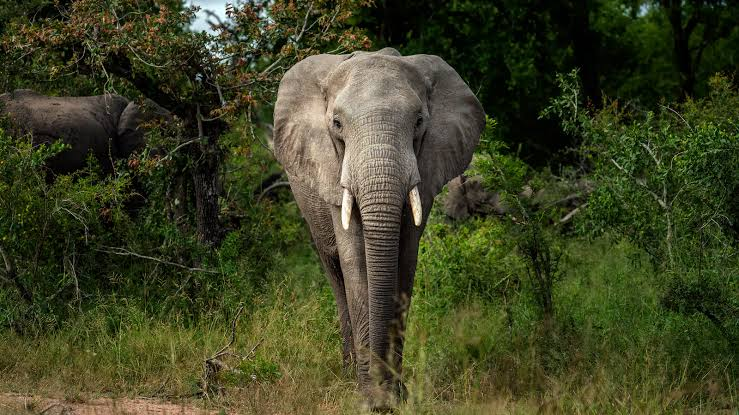
A suspected rhino poacher was killed after he and an accomplice encountered a herd of elephants while illegally inside South Africa’s Kruger National Park, according to park authorities and reports on the incident.
The two men had entered the park in the Pafuri area, allegedly carrying weapons and intending to hunt wildlife. They were reportedly moving toward a group of white rhinos when the elephants, which had been nearby and partly concealed by trees, suddenly charged.
The incident took place in the northern part of Kruger earlier this month. South African National Parks (SANParks) said rangers were alerted to the illegal incursion and later recovered the body of one suspect. The second man was arrested after returning to his community and reporting that his accomplice was missing.
How the elephant encounter turned deadly
According to reports from the incident, the two men were armed with a high-powered rifle and an axe as they approached the rhinos near a water source.
A Kruger source quoted in reports said the men ran in different directions when the elephants charged. The man who had been preparing to shoot the rhinos was reportedly slower to react and was caught by the herd.
He was trampled to death. Reports said search teams later found his clothing and a large bloodstain at the site.
SANParks’ official account is more cautious about the sequence of events. It confirms that the two suspected poacher encountered elephants after entering the park illegally, fled in separate directions and that one was subsequently found dead. The agency also said investigators discovered the remains of a buffalo believed to have been illegally hunted.
Did the elephants deliberately protect the rhinos?
The dramatic circumstances have prompted speculation that the elephants intervened to protect the rhinos.
One explanation cited in media reports is that elephants may have encountered poacher before and could have reacted aggressively because of previous experiences with people hunting wildlife.
However, there is no evidence establishing that the herd consciously understood the men were targeting rhinos or intentionally acted as wildlife protectors.
Elephants are highly social animals and can respond aggressively when they perceive a threat. In this case, the safest conclusion is that the herd reacted to the presence and behavior of the intruders. Whether the animals were specifically defending the rhinos cannot be established from the available evidence.
Kruger remains a major target for rhino poaching
The incident comes as Kruger continues to face intense pressure from organised wildlife crime.
Official South African figures show that 175 rhinos were poached in Kruger National Park during 2025, up sharply from 88 in 2024. Across South Africa, 352 rhinos were poached in 2025, a 16% decline from the previous year’s total of 420.
The figures highlight a complicated picture. Nationally, rhino poaching has declined, but Kruger experienced a major increase and remains one of the country’s most important anti-poaching battlegrounds.
SANParks says its response includes layered security, ranger development, technology, strategic dehorning and cooperation between conservation and law-enforcement agencies.
Why rhino horns remain so valuable
Rhino poaching is driven largely by demand for the animals’ horns in illegal markets.
Rhino horn is composed primarily of keratin, the same protein found in human hair and fingernails. Despite the lack of credible scientific evidence for medicinal benefits, the material has historically been sought after in some traditional medicine markets and is also traded as a status-associated product.
That demand has created a lucrative market for criminal networks operating across borders, while leaving conservation authorities to protect animals across enormous and difficult-to-police territories.
The latest Kruger incident illustrates one of the most dangerous realities of that battle: poachers entering the park are not only confronting armed rangers and law enforcement, but also one of the world’s most formidable wild ecosystems.