
Egypt and Ethiopia have expelled diplomats from each other’s countries in a sharp escalation that has pushed their already strained relationship into a new diplomatic crisis.
Ethiopia on October 1 declared Egyptian diplomat Ahmed Moharam Ahmed Soliman persona non grata and ordered him to leave the country within 48 hours. Egypt responded by declaring a counsellor at the Ethiopian Embassy in Cairo persona non grata and also gave him two days to depart.
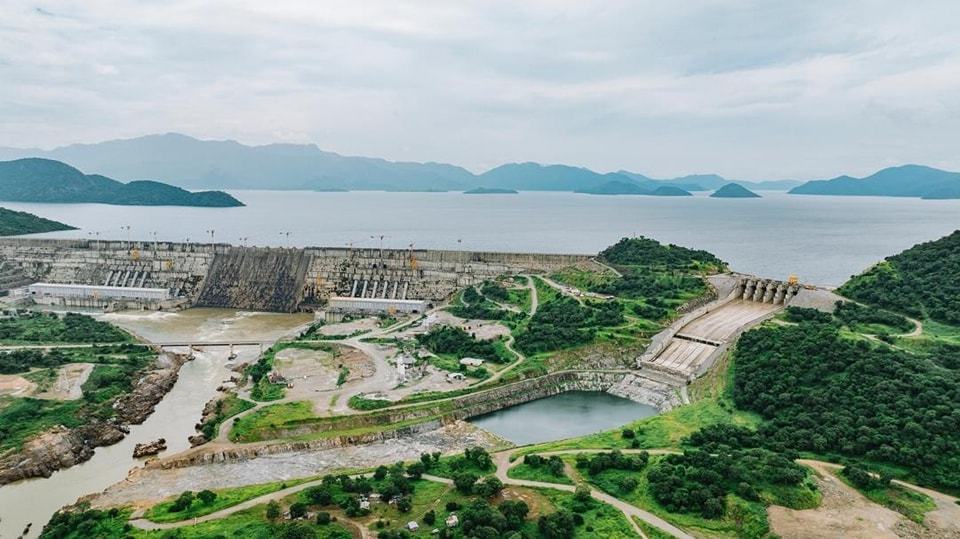
The moves have unfolded against the backdrop of the long-running dispute over Ethiopia’s Grand Ethiopian Renaissance Dam, or GERD, on the Blue Nile. But the immediate diplomatic confrontation is also tied to a much wider deterioration in relations, with Ethiopia accusing Egypt, Sudan and Eritrea of supporting a Tigray-led opposition alliance. All three countries deny the accusation.
The timing is significant. Ethiopia has simultaneously been facing renewed fighting in the Tigray region, a breakdown in relations with Eritrea and rising fears of a broader conflict in the Horn of Africa. The African Union has called on the countries involved to exercise restraint and pursue diplomatic solutions.
Why did Egypt and Ethiopia expel each other’s diplomats?
The diplomatic dispute began when Ethiopia informed Egypt that Soliman had been declared persona non grata under the Vienna Convention on Diplomatic Relations and had 48 hours to leave.
Ethiopia did not publicly explain what conduct prompted the expulsion. The formal notification cited the Vienna Convention but provided no additional details about the allegations against the Egyptian diplomats.
Egypt quickly responded under the principle of reciprocity.
A senior Egyptian source described Ethiopia’s action as unjustified and said Cairo rejects interference in the internal affairs of other countries. Egypt then ordered an Ethiopian embassy counsellor to leave within 48 hours.
The exchange of expulsions is a diplomatic signal rather than a severing of relations. Governments often use the designation persona non grata to remove foreign diplomats when relations deteriorate or when a host country believes a diplomats has acted improperly.
Is the Nile dam dispute behind the latest clash?
The Grand Ethiopian Renaissance Dam remains one of the biggest sources of tension between Cairo and Addis Ababa.
Ethiopia built the GERD on the Blue Nile as a major hydropower and development project. Addis Ababa argues that it has the right to develop its water resources and has repeatedly rejected what it regards as attempts by Egypt to impose restrictions on Ethiopia’s use of the river.
Egypt, meanwhile, considers the Nile a critical national-security and water-security issue. The country depends heavily on the river for its freshwater supply and has repeatedly demanded a legally binding agreement governing the filling and operation of the dam.
More than a decade of negotiations between Egypt, Ethiopia and Sudan has failed to produce such an agreement.
Why has the GERD become so sensitive?
The Blue Nile is a major tributary of the Nile, and water reaching Egypt is heavily dependent on flows from the river.
Ethiopia completed the GERD and formally inaugurated it in September 2025 after years of construction and reservoir filling. Egypt and Sudan have continued to press for an agreement that would regulate how the dam is operated, especially during periods of severe drought.
Cairo’s concern centers less on the existence of hydropower infrastructure itself than on how Ethiopia might manage the dam’s water releases during periods of low rainfall.
Egyptian officials have argued that unilateral operation could create sharp changes in downstream water levels and make planning more difficult for countries further down the Nile.
Ethiopia has maintained that the project is intended primarily for electricity generation and development and does not threaten the interests of downstream countries.
What are the three additional dams Ethiopia has discussed?
The GERD is no longer the only point of contention.
Ethiopia announced plans to build three additional dams on the Blue Nile, prompting a strong response from Cairo.
Egypt has argued that further unilateral dam construction could increase its concerns about control of the river and downstream water security. Ethiopian officials, meanwhile, have framed the projects as part of the country’s sovereign development plans.
The disagreement over these proposed projects has added another layer to a dispute that was already difficult to resolve.
At the same time, not every Nile dam project is opposed by Egypt. Cairo recently approved a planned dam in South Sudan after technical reviews concluded that its impact on Egypt would be limited and manageable. Egyptian officials have cited that case as evidence that their objections are focused on how shared-water projects are planned and operated rather than on dams in general.
What else is driving tensions between Egypt and Ethiopia?
The diplomatic confrontation is taking place during a broader security crisis in the Horn of Africa.
Renewed fighting has erupted in Ethiopia’s northern Tigray region, where government forces and a rebel alliance led by the Tigray People’s Liberation Front are again fighting after the 2022 peace agreement began to unravel.
Ethiopian authorities have accused Egypt, Sudan and Eritrea of supporting the opposition alliance. The three governments deny the allegations.
The situation worsened further when Ethiopia moved against Eritrea, closing its embassy there and expelling 10 Eritrean diplomats. Eritrea responded by severing diplomatic ties with Ethiopia.
That broader regional confrontation helps explain why the Egyptian-Ethiopian diplomatic dispute has become more serious so quickly.
Why does the Tigray conflict matter to Egypt-Ethiopia ties?
The geography makes the dispute especially complicated.
Ethiopia, Egypt, Sudan and Eritrea are closely connected through the politics and security of the Horn of Africa and the Nile Basin. Tensions in one theater can quickly affect relationships in another.
Egypt’s relationship with Sudan and Eritrea has also become more strategically important as Cairo focuses on Nile water security and developments along the Red Sea.
Ethiopia, meanwhile, has major interests in maintaining influence over its northern and eastern borders while managing the renewed conflict in Tigray.
As these disputes overlap, diplomatic moves that might once have remained isolated can now become part of a much larger regional confrontation.
How has Ethiopia responded to Egypt’s position on the Nile?
Ethiopian officials have repeatedly rejected what they describe as a restrictive or monopolistic interpretation of Nile water rights.
Addis Ababa argues that Egypt cannot claim exclusive control over the use of an international river system shared by multiple countries.
Egypt’s position is that upstream development must respect the interests of downstream states and be coordinated under international legal principles.
These competing interpretations have remained at the center of the GERD dispute for years.
The absence of a legally binding agreement means that the two sides continue to disagree not only about the dam itself, but also about what rules should govern its operation.
What has Egypt said about a peaceful solution?
Despite the increasingly sharp rhetoric, Egyptian President Abdel Fattah El-Sisi has continued to publicly refer to diplomacy.
Egyptian officials have stressed that Cairo supports negotiation and peaceful solutions but also describe Nile water security as a matter of national importance.
Egypt’s irrigation minister, Hani Sewilam, said in September that Cairo retains all lawful options to protect its water security while emphasizing that Egypt does not want unilateral decisions on the eastern Nile to become permanent facts.
Those remarks reflect the central challenge in the dispute: Egypt wants binding guarantees, while Ethiopia has resisted an arrangement it believes could constrain its sovereignty over future water development.
Is the current crisis likely to affect the GERD negotiations?
The diplomatic expulsions add another obstacle to negotiations.
Formal diplomatic relations have not been severed, but removing diplomats can reduce trust and make high-level engagement more difficult.
That comes at a particularly sensitive moment because the two countries are already dealing with disputes over water policy, Ethiopia’s plans for additional dams and competing accusations over regional security.
The African Union has urged Ethiopia, Egypt and Eritrea to avoid actions or statements that could worsen tensions and has called for differences to be addressed through established diplomatic channels.
What happens next?
The immediate issue is whether the diplomatic expulsions remain a limited tit-for-tat exchange or lead to broader restrictions on bilateral relations.
The larger question is whether Cairo and Addis Ababa can prevent their separate disputes over the Nile and regional security from becoming part of the same escalating confrontation.
The GERD dispute has already lasted more than a decade without producing the legally binding operating agreement Egypt and Sudan have sought.
Now, with renewed fighting in Tigray, Ethiopia’s diplomatic break with Eritrea and accusations involving Egypt’s alleged support for Ethiopian opposition forces, the stakes are broader than the dam alone.
For now, both governments have stopped short of breaking diplomatic relations. The African Union’s call for restraint also provides a diplomatic channel through which the countries could try to prevent the latest confrontation from becoming more serious.
The Nile remains at the heart of the dispute, but the latest diplomatic clash shows that Egypt-Ethiopia relations are now being shaped by a much wider contest over water, security and regional influence.