
At least 43 young initiates died during South Africa’s 2026 winter customary initiation season, according to preliminary government figures, renewing concerns about unsafe practices, illegal initiation schools and failures to protect boys undergoing traditional rites.
The deaths were recorded during a period in which authorities also identified dozens of illegal initiation schools, rescued hundreds of initiates and opened numerous criminal cases.
The figures have reignited a difficult national debate: how can South Africa protect an important cultural tradition while preventing deaths, severe injuries and other abuses associated with unsafe initiation practices?
What happened during South Africa’s 2026 initiation season?
South Africa’s Department of Cooperative Governance and Traditional Affairs reported 43 deaths during the 2026 winter initiation season as of July 12.
The fatalities were spread across several provinces. Mpumalanga recorded the highest number at 18, followed by the Eastern Cape with 14. Gauteng reported two deaths, Limpopo three, North West four, and the Free State two.
The figures were described as preliminary because some provincial reporting was still underway at the time.
Authorities also reported 12 abductions, 75 hospitalisations and 180 initiates rescued from illegal initiation schools. Fifty-eight illegal schools had been identified, with 42 shut down.
Law-enforcement agencies had opened 150 criminal cases and made 40 arrests by that point.
The scale of the wider operation shows that the problem extends beyond the circumcision procedure itself.
What is Ulwaluko?
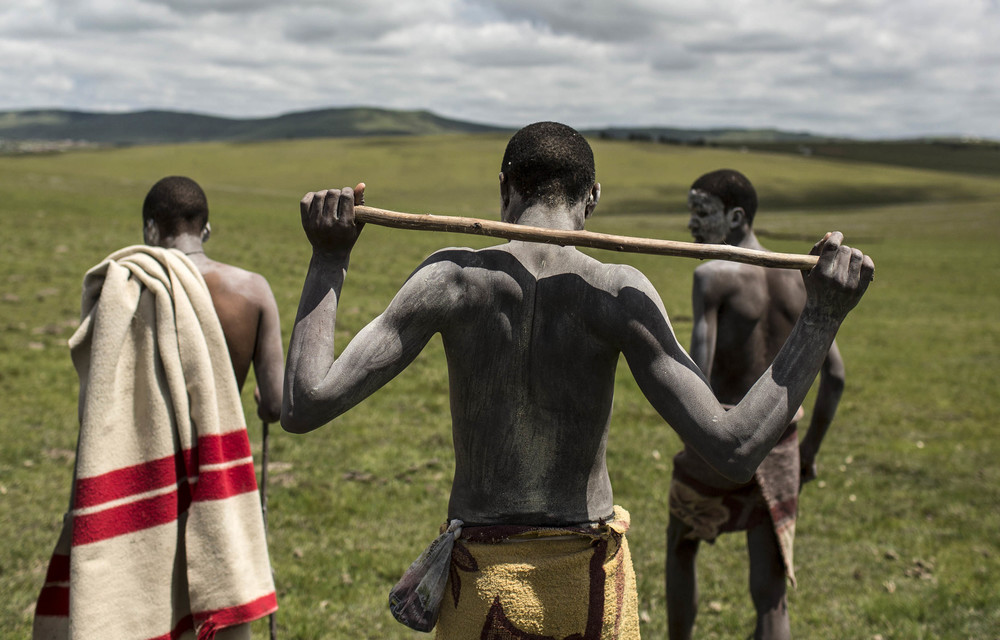
Ulwaluko is a traditional initiation practice associated particularly with Xhosa communities in South Africa.
For participating communities, the ceremony represents a transition from boyhood to manhood and involves cultural teachings, social responsibilities and a period of initiation outside the family home.
The initiation process can take place at designated initiation schools or bush camps, where initiates spend a period separated from their everyday surroundings.
Circumcision is one component of the process, but the tradition is broader than the medical procedure alone.
That distinction matters because criticism of unsafe initiation practices is not necessarily criticism of the cultural tradition itself.
South African authorities have repeatedly stated that customary initiation can be conducted safely and lawfully and that illegal operators are responsible for many of the most serious incidents.
Why do some initiates die?
The risks associated with initiation can include infection, dehydration, untreated injuries and other medical complications.
The danger becomes substantially greater when boys are taken to illegal initiation schools or when procedures are carried out by people who are not authorised or properly trained.
Government officials have repeatedly warned that illegal initiation schools can operate without adequate medical oversight, sanitation, or emergency access.
When an initiate develops complications, delays in receiving professional medical treatment can turn a manageable condition into a life-threatening emergency.
The government has therefore emphasized that parents and guardians should use legally registered initiation schools and verify that the traditional surgeon and traditional nurse involved are properly authorised.
How many illegal initiation schools were found?
Authorities identified 58 illegal initiation schools during the period covered by the preliminary July figures.
Of those, 42 had been closed.
The government has identified illegal schools as one of the most persistent problems surrounding initiation season.
These unauthorized operations can evade inspections and oversight, making it difficult for authorities to know where initiates are being held or what conditions they face.
The scale of the enforcement response also illustrates the challenge facing officials in rural areas, where some initiation sites can be difficult to monitor.
Which provinces were hit hardest?
Mpumalanga recorded the highest number of deaths in the preliminary government figures, with 18.
The Eastern Cape followed with 14.
The Eastern Cape is particularly associated with Xhosa customary initiation, making the continuing fatalities there especially sensitive for communities and traditional leaders.
Other deaths were recorded in Gauteng, Limpopo, North West and the Free State.
The geographic spread demonstrates that unsafe initiation is not confined to a single province or community.
Why is the government struggling to achieve zero deaths?
South African authorities have repeatedly set the goal of reducing initiation-related deaths and amputations to zero.
The government has strengthened legal requirements, increased inspections and worked with traditional leaders and law-enforcement agencies.
Yet illegal schools continue to emerge.
The Department of Cooperative Governance and Traditional Affairs has said that safe initiation is a shared responsibility involving government, families, traditional authorities, health professionals, communities and law enforcement.
That approach reflects a central problem: government enforcement alone cannot prevent parents from sending children to illegal schools or stop unauthorized operators from establishing new camps.
What does South Africa’s law say about traditional initiation season?
The Customary Initiation Act provides a legal framework governing initiation schools and related practices.
The law establishes requirements for registering initiation schools and provides mechanisms for oversight and enforcement.
Traditional surgeons and other people involved in the initiation process must comply with applicable legal requirements.
The government has repeatedly urged families to verify that an initiation school is registered and that the people performing the relevant procedures are authorized.
Illegal schools can face enforcement action, while those operating them may face criminal prosecution.
Why are illegal initiation schools so dangerous?
An illegal initiation school can operate outside the safeguards created by law.
That can mean inadequate sanitation, insufficient supervision, limited access to medical care or the use of unauthorized practitioners.
The risk is particularly serious when an initiate becomes ill and people running the camp delay contacting health professionals.
Government officials have also raised concerns about abductions and other criminal activity connected to illegal initiation schools.
During the 2026 winter season, authorities reported 12 abductions alongside the deaths and other incidents.
This has broadened the issue from a public-health concern into a law-enforcement and child-protection problem.
Is customary initiation itself being blamed?
South African officials have been careful to distinguish legitimate customary initiation from illegal and unsafe practices.
The government has argued that the cultural tradition can continue while being brought into compliance with health and safety requirements.
Earlier in 2026, the Department of Cooperative Governance and Traditional Affairs organized a national dialogue involving government representatives, traditional leaders, civil society and other stakeholders to address deaths, injuries and illegal schools.
The official position is that cultural rights and the protection of life do not have to be competing goals.
The challenge is ensuring that traditional practices are carried out under conditions that protect the health and dignity of the young people taking part.
What happened to previous death tolls?
The 2026 fatalities come after years of concern over deaths associated with customary initiation.
South African government and parliamentary records show that previous initiation season have also resulted in significant numbers of deaths and amputations.
In May 2025, Parliament’s Portfolio Committee on Cooperative Governance and Traditional Affairs backed targets aimed at eliminating deaths and amputations linked to legal initiation schools and reducing illegal schools to zero.
The government has therefore been working toward a long-term target rather than responding to the issue only after individual incidents occur.
Despite those efforts, the 2026 season showed that serious gaps remain.
What about amputations?
Deaths are only one part of the problem.
Severe complications can result in permanent injuries, including partial or complete loss of the penis.
South African authorities have repeatedly included the prevention of amputations among their objectives for improving initiation safety.
The exact number of amputations varies by season and reporting period, and figures should therefore be attributed to the relevant government reports rather than presented as one cumulative number without a defined timeframe.
The risk of permanent injury adds another dimension to the debate over unsafe initiation practices.
Why does the government say families also have responsibility?
Officials argue that families play a critical role in preventing avoidable deaths.
Parents and guardians are expected to check whether an initiation school is legally registered and whether practitioners are authorized.
They are also encouraged to remain involved during the initiation process and report suspicious or illegal activity.
The government has said that simply closing illegal schools after a tragedy is not enough.
Prevention requires families to make sure children enter only legitimate and supervised facilities in the first place.
Why is this issue politically sensitive?
Customary initiation has deep cultural significance in many South African communities.
Any government effort to regulate it therefore has to balance public safety with cultural rights and the authority of traditional leadership.
Criticism can become politically sensitive when communities feel that outsiders are attacking their traditions rather than the unsafe practices surrounding them.
At the same time, deaths and permanent injuries have placed growing pressure on political leaders to demonstrate that existing laws are actually being enforced.
That tension explains why officials repeatedly emphasize that the aim is not to abolish customary initiation, but to make it safe and lawful.
What happens next?
Authorities are expected to continue investigating the deaths, monitoring initiation schools and pursuing illegal operators.
The South African government has also called for closer cooperation among traditional leaders, families, health workers, municipalities and law-enforcement agencies.
The objective remains ambitious: zero deaths, zero serious injuries and zero illegal initiation schools.
Whether that goal can be reached will depend largely on whether authorities can identify illegal facilities before young people enter them and ensure that medical help can reach initiates quickly when complications arise.
The bigger issue behind the 43 deaths
The 43 deaths are not simply a statistic from another initiation season.
Each number represents a young person who entered a traditional rite of passage and did not return home safely.
The tragedy has exposed the gap between a culturally significant practice and the conditions under which some of its most vulnerable participants undergo it.
South Africa now faces the difficult task of closing that gap without stripping the tradition of its cultural meaning.
The government’s own figures show that progress has been made in identifying and shutting illegal schools, rescuing initiates and pursuing criminal cases.
But the continued loss of life shows that enforcement alone has not solved the problem.
For families considering customary initiation for their children, the central message from authorities remains clear: cultural tradition cannot come at the cost of a child’s life, health or dignity.