
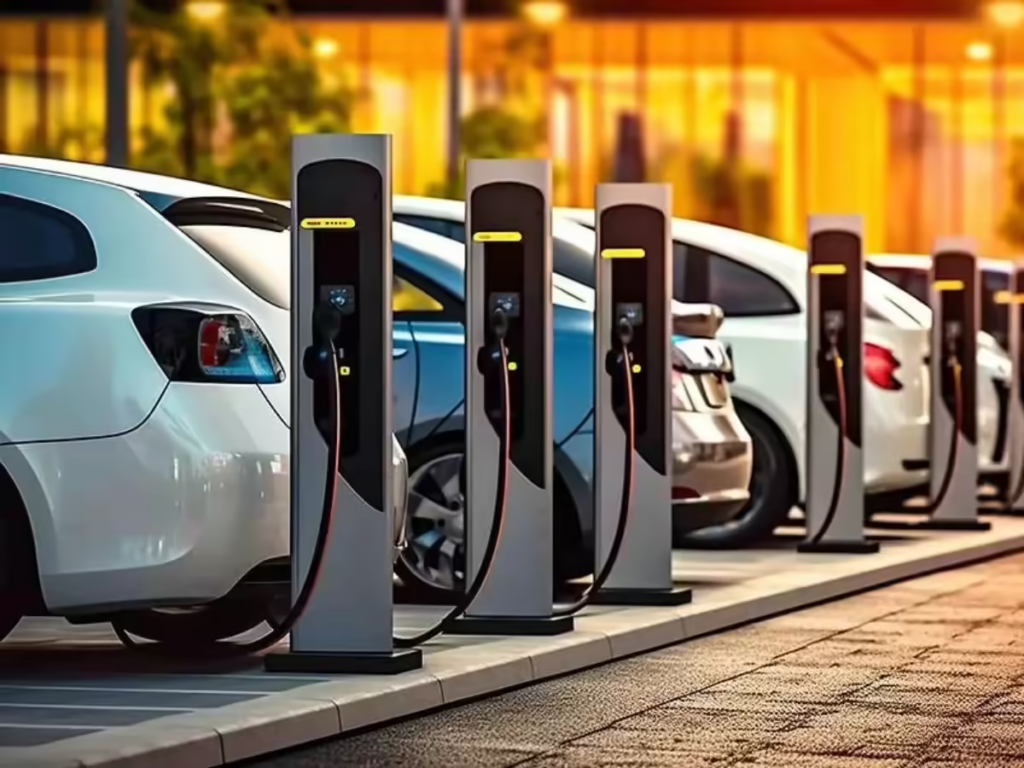
The global auto industry is hitting the brakes—slightly—on its aggressive push toward electric vehicles (EVs). After years of bold commitments and ambitious timelines, several major carmakers are now recalibrating their strategies as demand for petrol and hybrid cars proves more resilient than expected.
This isn’t a reversal of the EV transition. But it is a reality check.
Why Are Carmakers Slowing Their EV Plans?
The shift reflects a mix of market demand, policy changes, and financial pressure.
Demand Isn’t Matching Expectations
Carmakers had bet heavily on rapid EV adoption. But in many markets:
- Petrol and hybrid vehicles are still outselling projections
- Consumers remain hesitant due to range anxiety and charging gaps
- EV adoption is growing—but not fast enough to meet earlier targets
This mismatch is forcing companies to rethink timelines.
Hybrids Are Making a Comeback
Instead of going fully electric, many brands are doubling down on hybrids:
- Lower cost than full EVs
- No dependency on charging infrastructure
- Easier transition for traditional buyers
Hybrids are emerging as the “bridge technology” the industry may rely on longer than expected.
Which Carmakers Are Revising Their EV Strategies?
A wide range of global players—from mass-market to ultra-luxury—are adjusting their plans.
Mainstream Carmakers
Companies like Honda, Ford, Mercedes-Benz, Stellantis, and Volvo have:
- Delayed EV rollout timelines
- Adjusted production targets
- Rebalanced investments between EVs and combustion engines
Luxury Segment Pullback
The slowdown is even more visible among premium brands.
Brands Revising Fully Electric Goals
- Bentley
- Porsche
- Audi
- Lotus
These companies had planned to go fully electric within a decade—but are now extending those timelines.
A Notable Shift: Lamborghini
- Scrapped plans for a fully electric model by 2030
- Opted instead for a hybrid-focused strategy
Even Rolls-Royce is reconsidering how quickly it can transition entirely to electric.
If luxury buyers—often early adopters of new tech—are hesitating, it signals deeper demand challenges.
What’s Driving Consumer Hesitation?
Beyond infrastructure and cost, there’s a less obvious factor: emotion.
The Emotional Appeal of Petrol Cars
For many buyers, especially in the premium segment:
- Engine sound = identity
- Driving feel = emotional connection
- Heritage = brand value
EVs, while efficient, often lack these sensory elements.
Practical Concerns Still Exist
- Limited charging networks in many regions
- Longer refueling times compared to petrol
- Higher upfront costs
Technology adoption isn’t just rational—it’s emotional. Carmakers may have underestimated that.
How Are Government Policies Affecting the Shift?
Policy support has been a key driver of EV adoption—and recent changes are reshaping the landscape.
United States
- Reduced EV tax incentives
- Cuts in charging infrastructure funding
- Relaxed emissions targets
Europe
- Easing of previously strict climate targets
- Greater flexibility for carmakers
These shifts are making EV investments less predictable.
EV adoption has been heavily policy-driven. When incentives weaken, so does momentum.
What Is the Financial Impact on Carmakers?
Revising EV strategies comes at a steep cost.
Industry-Wide Losses
- Estimated $75 billion spent on:
- Cancelled EV projects
- Delayed launches
- Reworked supply chains
Why It’s So Expensive
- EV development requires massive upfront investment
- Battery supply chains are complex and capital-intensive
- Sudden strategy changes create sunk costs
The EV transition isn’t just technological—it’s one of the most expensive industrial shifts in history.
Is the EV Transition in Trouble?
Not quite. But it’s entering a more realistic phase.
What’s Changing
- From “all-in EV” to “multi-path strategy”
- Greater emphasis on hybrids and efficiency improvements
- Slower, demand-driven rollout
What’s Not Changing
- Long-term shift toward electrification
- Continued investment in EV technology
- Regulatory pressure in many markets
This is less a retreat and more a course correction.
What Does This Mean for Consumers?
For buyers, this shift could actually be beneficial.
More Choices
- Continued availability of petrol cars
- More hybrid options
- Gradual EV improvements
Better Timing
- EV technology will mature further
- Charging infrastructure will expand
- Prices may become more competitive
Consumers are no longer being pushed into a rapid transition—they have time to adapt.
What Happens Next for the Auto Industry?
The industry is likely heading toward a more balanced future.
Short-Term Trends
- Hybrids gain market share
- EV growth continues but slows
- Petrol cars remain relevant
Long-Term Outlook
- EV adoption resumes stronger as infrastructure improves
- Battery costs decline
- Policy support may return or evolve
TL;DR
- Carmakers are slowing EV plans as petrol and hybrid demand remains strong
- Luxury brands are delaying full electrification timelines
- Consumer emotion and infrastructure gaps are key factors
- Policy changes in the U.S. and Europe are reducing EV momentum
- The shift has already cost the industry around $75 billion
- EVs are still the future—but the timeline is being reset