
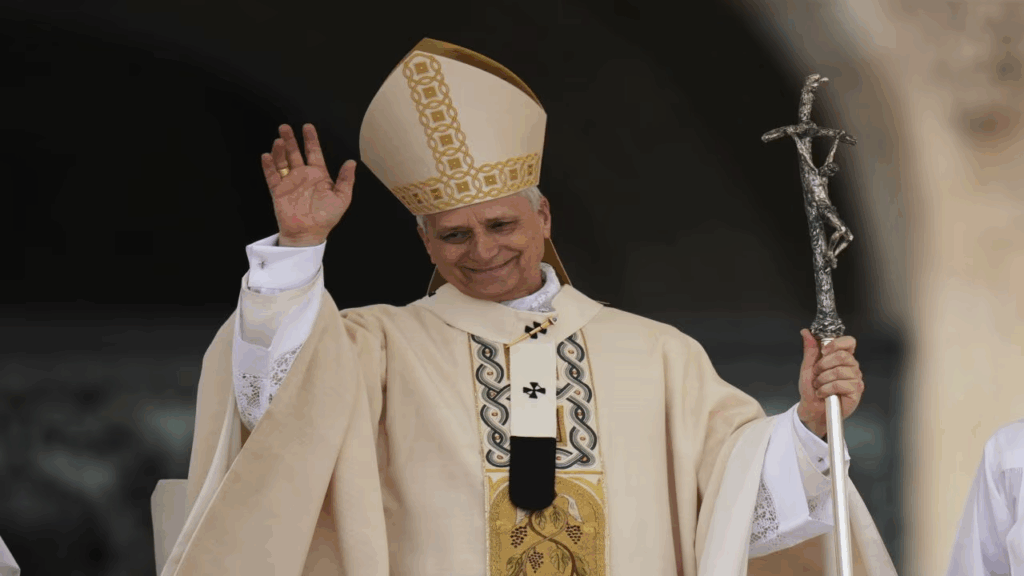
Historic election raises unprecedented citizenship questions
The election of Pope Leo XIV—the first American-born pontiff in Catholic Church history—has sparked a unique legal debate: Can the Chicago native retain his U.S. citizenship while serving as the sovereign leader of Vatican City?
Under U.S. law, citizens may forfeit their nationality if they swear allegiance to a foreign government or formally renounce their citizenship. However, legal experts note that the papacy presents a special case, unlike traditional heads of state.
“Becoming pope doesn’t automatically trigger loss of citizenship,” explains Peter Spiro, a leading constitutional and immigration law scholar. “The Vatican is a religious sovereignty with distinct characteristics from political nations.”
Why Pope Leo’s case differs from typical dual citizenship
Vatican City’s status as a neutral, spiritual sovereignty, without a military or conventional governance structure, creates a gray area in nationality law. Key considerations include:
- No evidence Pope Leo has renounced U.S. citizenship
- The Vatican’s unique position as a non-political theocracy
- Traditional papal duties focus on spiritual leadership, not statecraft
However, some legal scholars caution that if Pope Leo exercises diplomatic powers, such as treaty negotiations or state visits, it could prompt reassessment of his citizenship status under U.S. law.
U.S. government takes no action as precedent-setting case unfolds
The State Department has shown no indication of challenging Pope Leo’s citizenship, marking the first time officials must consider how papal sovereignty interacts with U.S. nationality laws.
Historical context makes this situation extraordinary:
- No previous American pope exists for comparison
- Current laws don’t explicitly address religious sovereignty cases
- Dual citizenship norms typically apply to political offices
Legal analysts suggest this case may eventually require congressional clarification or judicial review to establish clearer guidelines for future leaders in similar positions.
For now, Pope Leo remains both Bishop of Rome and an American citizen—a duality that continues to fascinate constitutional scholars and the faithful alike.