
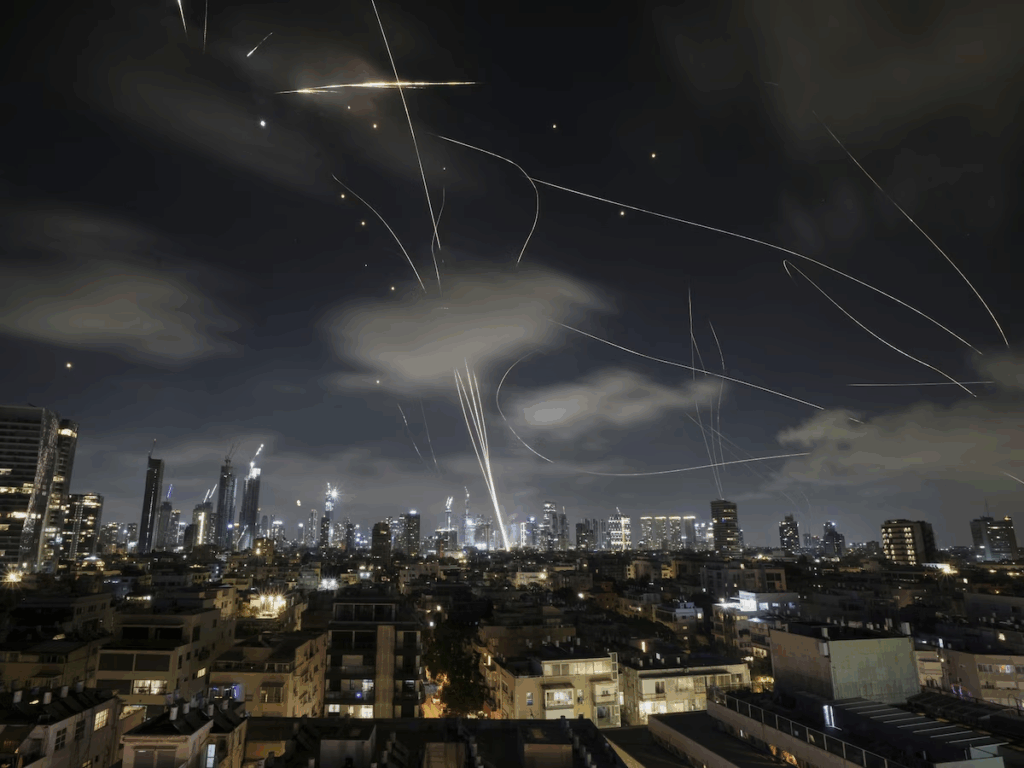
When Iran launched a ballistic missile at Israel on Friday, it wasn’t just the attack itself that alarmed military analysts—it was the weapon’s payload. The missile carried a cluster munition warhead, scattering dozens of smaller bomblets over a wide area in central Israel. One struck a home in Azor, while others failed to detonate, leaving dangerous unexploded ordnance in their wake.
This marks the first confirmed use of cluster munitions in the ongoing conflict between Iran and Israel, raising urgent humanitarian and legal questions. Why are these weapons so controversial, and why do they continue to be deployed despite international condemnation?
What Are Cluster Munitions?
Cluster munitions are a type of weapon designed to disperse multiple smaller explosives—called submunitions or “bomblets”—over a broad area. Typically delivered via missiles, rockets, artillery shells, or aircraft, they are intended to maximize destruction by saturating a target zone.
How They Work:
- A central container (warhead, shell, or bomb) opens mid-air, releasing dozens to hundreds of bomblets.
- These submunitions fall unguided, spreading across a wide radius before detonating on impact.
- Each bomblet is small (usually under 20kg) but carries enough explosive force to destroy vehicles, infrastructure, and cause severe casualties.
The problem? Many fail to explode on impact, turning into deadly landmines that can kill or maim civilians long after a conflict ends.
Why Are Cluster Munitions So Dangerous?
1. Indiscriminate by Design
Unlike precision-guided missiles, cluster munitions are area-effect weapons. They don’t distinguish between military targets and civilian areas—anything (or anyone) within their dispersal range is at risk.
2. High Dud Rates = Long-Term Threats
A significant percentage of bomblets fail to detonate immediately, with estimates ranging from 2% to 40%, depending on the munition’s age and manufacturer. These unexploded remnants act like landmines, posing risks for years.
- Example: In Laos, where the U.S. dropped millions of cluster bombs during the Vietnam War, unexploded ordnance has caused over 50,000 casualties since the 1960s.
3. Humanitarian and Legal Concerns
The 2008 Convention on Cluster Munitions, signed by over 120 countries, bans their use due to their disproportionate harm to civilians. However, major military powers—including Iran, Israel, Russia, Ukraine, and the U.S.—have not joined the treaty.
The Aftermath of Iran’s Attack on Israel
Friday’s strike saw bomblets scattered over an eight-kilometer radius near central Israel. While only one detonated on impact, the rest either failed to explode or were intercepted by Israel’s missile defenses.
- Israeli Response: The government condemned the attack as a deliberate strike on civilian areas, calling cluster munitions “unlawful and indiscriminate.”
- Broader Implications: The use of these weapons could signal a dangerous escalation, with both sides potentially resorting to more destructive tactics.
Why Do Countries Still Use Cluster Munitions?
Despite their risks, some militaries argue that cluster munitions are effective against:
- Spread-out enemy forces (e.g., infantry, artillery positions).
- Soft targets (e.g., airfields, supply depots).
The U.S., for instance, has phased out most of its stockpiles but retains some for specific scenarios. Russia and Ukraine have both used them in the ongoing war, despite global outcry.
What’s Next? Calls for Stricter Enforcement
Human rights organizations and arms control advocates are urging stronger international action.
- Daryl Kimball (Arms Control Association): “Cluster munitions are egregious weapons with wide-area destruction. Their use should be universally condemned.”
- Possible Next Steps: Pressure on non-signatory nations to join the ban, increased sanctions for violators, and better clearance efforts in affected regions.