
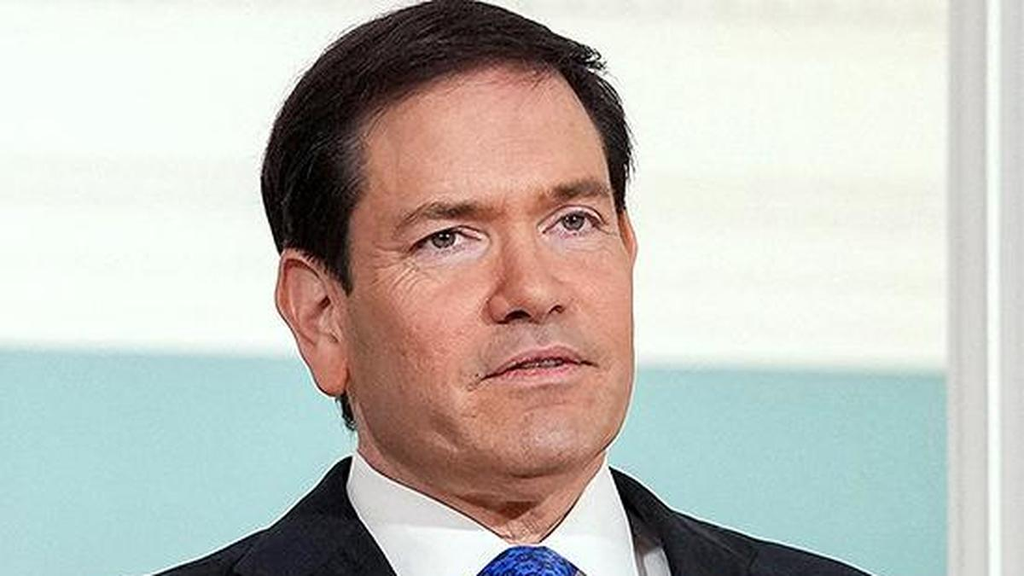
Six Democratic lawmakers in the United States, including Congresswoman Pramila Jayapal, have urged Secretary of State Marco Rubio to raise concerns about India’s handling of student protests during his upcoming visit to the country. The lawmakers cited allegations of excessive force, wrongful detentions and surveillance involving demonstrations linked to the Cockroach Janata Party (CJP).
In a letter dated October 16, the lawmakers asked Rubio to press Indian officials for transparent investigations into alleged human rights violations during protests in Delhi and other parts of the country. They also raised concerns about claims that individuals associated with the Indian Embassy in Washington and Indian consulates in other US cities had monitored protesters demonstrating in support of CJP.
The appeal comes amid escalating tensions over India’s electoral roll revision process and the treatment of demonstrators. New Delhi has separately criticised Jayapal’s recent comments about voter-list changes, calling them unwarranted interference in India’s electoral affairs.
Who signed the letter to Marco Rubio?
Six Democratic members of the US House of Representatives signed the letter: Pramila Jayapal, James P. McGovern, Jesus G. “Chuy” Garcia, Eleanor Holmes Norton, Ilhan Omar and Rashida Tlaib.
The lawmakers said the situation raised concerns about freedom of expression, peaceful assembly and the treatment of students participating in protests.
“We write with concern regarding a pattern of repression, wrongful detention, and excessive use of force by security forces during student protests in Delhi and other localities across India,” the letter stated.
They urged Rubio to ask the Indian government to initiate “thorough, transparent, and independent investigations” into alleged violations linked to the law enforcement response.
The lawmakers also called for the release of individuals they said had been detained unlawfully for exercising their rights to freedom of expression and assembly.
Their request is an appeal for diplomatic engagement. It does not constitute an independent finding that all the allegations in the letter have been substantiated.
Allegations of surveillance involving Indian diplomatic missions
The lawmakers also expressed concern about reports of what they described as apparent surveillance and intimidation of protesters on US soil.
According to their letter, individuals allegedly employed by or acting in coordination with the Indian Embassy in Washington and consulates in other American cities had photographed people participating in demonstrations supporting CJP.
The lawmakers asked Rubio to raise the allegations with Indian counterparts during his visit. The letter did not, by itself, establish the purpose of the alleged photography or independently verify the identities and affiliations of those involved.
The issue introduces a separate dimension to the dispute because it concerns the activities of people allegedly connected to Indian diplomatic missions within the United States, rather than only the handling of protests inside India.
Why are the CJP protests taking place?
CJP has emerged as a youth-led movement challenging the revision of India’s electoral rolls and demanding the resignation of Chief Election Commissioner Gyanesh Kumar.
The controversy centres on the Election Commission’s Special Intensive Revision (SIR) of voter lists, an exercise intended to update electoral records. Opposition parties and protesters have raised concerns about the scale of deletions and the possibility that eligible voters could be removed incorrectly.
The Election Commission’s stated objective is to improve the accuracy of voter lists by identifying deceased voters, duplicate entries and people who have moved away. Critics, however, have questioned the transparency of the process and demanded safeguards against wrongful removals.
The dispute has prompted protests in Delhi and other locations, with opposition parties joining calls for greater scrutiny of the voter-list revision exercise.
The six US lawmakers raised concerns about alleged excessive force and detentions during these demonstrations and questioned whether India’s authorities had adequately investigated the incidents.
India pushes back against Jayapal’s voter-roll remarks
The latest letter follows a separate controversy over Jayapal’s comments about India’s electoral roll revision.
On October 14, the congresswoman expressed concern over reports that approximately 130 million names had been removed from Indian voter lists. She said the reported scale of the deletions raised concerns about voting rights and democratic participation.
India’s Ministry of External Affairs rejected her remarks the following day. Spokesperson Randhir Jaiswal described them as “unwarranted and uninformed” and said they amounted to interference in the electoral practices of another democracy.
“This is an approach that undermines democracy itself,” Jaiswal said.
The figure of 130 million relates to reported deletions or changes associated with the electoral roll revision process and should not be interpreted as confirmation that 130 million eligible voters were unlawfully disenfranchised.
The disagreement illustrates the competing positions: US lawmakers are calling for scrutiny of alleged restrictions on protest and voting rights, while Indian officials have objected to what they view as foreign commentary on domestic electoral processes.
Rubio expected to discuss concerns during India visit
Rubio is scheduled to visit India next week and meet External Affairs Minister S. Jaishankar in Mumbai. The six lawmakers want him to raise their concerns about protest policing, alleged surveillance and the transparency of the electoral roll revision.
The letter comes at a sensitive moment in US-India relations, with both countries maintaining cooperation across trade, defence and strategic affairs while differences occasionally emerge over human rights and domestic political developments.
There was no indication in the supplied reporting that Rubio had accepted the lawmakers’ requests or that the US State Department had announced a specific response to the letter.
What happens next?
The immediate question is whether Rubio will raise the allegations during his meetings with Indian officials. The lawmakers have asked for investigations into alleged violations and accountability for any unlawful actions established by those investigations.
The dispute also highlights the diplomatic tension that can arise when foreign legislators comment on protests and electoral processes in another country.
For now, the letter represents a formal request by six US Democrats, rather than an official US government determination about India’s conduct. The allegations regarding protest policing and surveillance remain matters requiring evidence and investigation, while New Delhi has already rejected Jayapal’s separate criticism of its voter-list revision process.