
From Minor Mistakes to Life-Altering Consequences
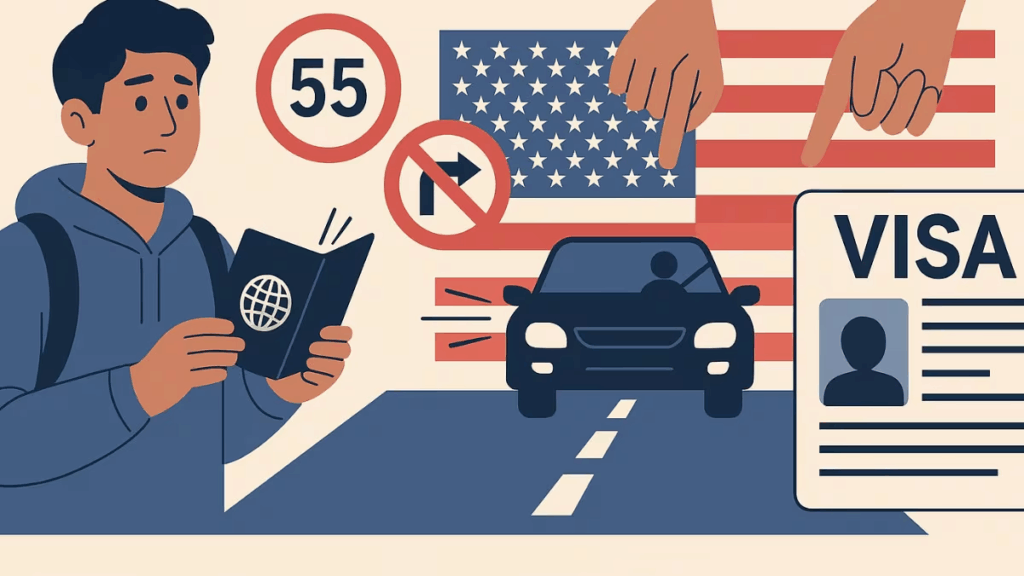
In April 2025, Rohan Patel, a 23-year-old Indian student in Texas, paid a $150 fine for a speeding ticket. Weeks later, he received an email: his F-1 visa was revoked, and he had 30 days to leave the U.S. His dream of working in Silicon Valley evaporated overnight. Patel’s story is no outlier. Over 4,736 international students faced similar fates in 2025 alone, according to ICE data, as the U.S. cracks down on visa violations, including minor infractions like traffic tickets, underage drinking, or even liking a social media post.
This article uncovers the hidden, long-term consequences of visa violations that universities rarely warn students about—from decade-long bans to shattered careers.
Immediate fallout: Deportation and SEVIS termination
When a student violates visa terms—whether by skipping classes, working illegally, or committing minor offenses, the first blow is SEVIS termination. The Student and Exchange Visitor Information System (SEVIS) tracks all international students, and termination erases their legal status instantly.
- Key Data:
- 1,489 students lost visas by April 2025, with 50% from India.
- 327 cases involved minor offenses like traffic violations or petty theft.
- Over 1,200 students at 187 institutions faced deportation in 2025.
Once SEVIS is terminated, you’re essentially undocumented overnight. Students like Patel are often given no warning before being ordered to leave, with some learning of their status only via email.
Long-term consequences: Bans, blacklists, and broken dreams
1. Re-entry bans: Locked out for a decade
A visa violation can trigger automatic bans:
- 3-year ban: For overstaying by 180 days.
- 10-year ban: For overstaying by 1 year or criminal charges.
- Permanent ban: For fraud or aggravated felonies.
Even minor infractions like underage drinking or disorderly conduct can lead to 3-year bans, as seen in recent cases.
2. Career catastrophe
A revoked visa creates a permanent black mark on immigration records. Employers globally, not just in the U.S., often reject applicants with deportation histories.
- STEM students: Lose eligibility for Optional Practical Training (OPT), a critical pathway to H-1B visas.
- Graduate students: Face revoked admissions or terminated research positions.
“I’ve seen PhD candidates deported for a missed deadline. Their academic careers ended instantly,” says Mamta Shekhawat, founder of Gradding.com.
3. Ripple effects on future visas
The U.S. shares immigration data with Canada, the UK, Australia, and the EU. A violation can jeopardize visas to any of these countries.
- Case Study: A student deported for a seatbelt violation in Texas was denied a Canadian study permit months later.
Systemic Issues: Why minor mistakes have major consequences
1. Political targeting and activism
In 2025, the U.S. revoked nearly 1,700 student visas linked to pro-Palestinian protests or social media activity. Students who liked or shared posts critical of U.S. foreign policy were labeled “security risks” and deported.
2. AI surveillance and social media scrutiny
The Department of State’s “Catch and Revoke” program uses AI tools to scan students’ social media for “anti-American” keywords, even old posts. A 2025 ACLU report found 22% of revoked visas involved flagged social media activity.
3. Overlapping databases and zero tolerance
Traffic tickets, academic probation, or unpaid library fines can now appear in FBI fingerprint databases, triggering automatic SEVIS termination.
“A student got deported because his name matched someone in a database. He couldn’t appeal,” says Ajmera.
How to protect yourself: Advice for students
- Document Everything: Save emails with advisors, payment receipts, and compliance proof.
- Avoid Social Media Risks: Never post about protests or political views.
- Consult Lawyers Early: Even for minor issues like traffic tickets.
- Stay Full-Time Enrolled: Dropping below 12 credits? Get prior approval.
A broken system with life-altering stakes
The U.S. hosts over 1 million international students, contributing $40 billion annually to the economy. Yet, as enforcement tightens, students face a lose-lose system where a single misstep can erase decades of effort. Until policies balance security with fairness, the hidden consequences of visa violations will keep derailing lives, one speeding ticket at a time.