
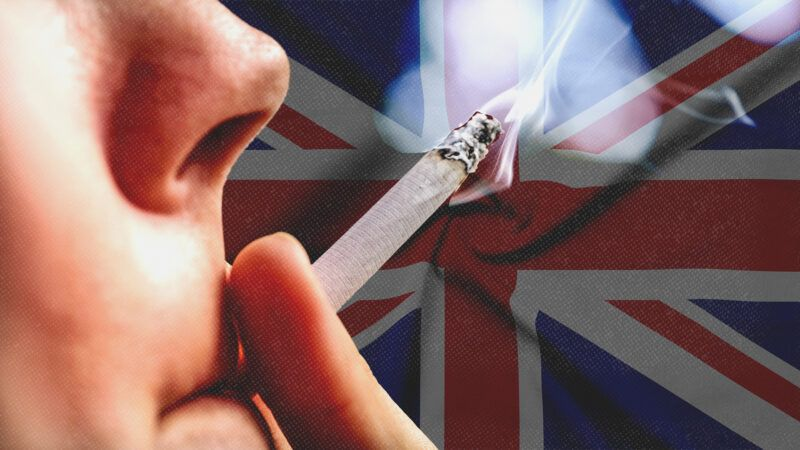
The United Kingdom has passed one of the most ambitious anti-smoking laws in modern public health policy, banning the sale of tobacco to anyone born after 2008. The legislation, widely referred to as the Tobacco and Vapes Bill, is designed to phase out smoking entirely for future generations rather than simply restrict it.
If implemented as planned, the UK smoking ban will create a “smoke-free generation,” fundamentally changing how tobacco is regulated in the country.
What is the UK smoking ban law?
The new law introduces a rolling age restriction that increases every year. Instead of setting a fixed legal age, it permanently bars younger generations from ever purchasing tobacco.
Who is affected?
- Anyone born on or after January 1, 2009, will never be legally allowed to buy tobacco
- This includes cigarettes, cigars, and all other tobacco products
- The legal purchasing age will rise incrementally each year
For example:
- A person who is 18 today can legally buy tobacco
- Someone currently 17 will never be able to do so
This gradual approach avoids an outright ban while steadily shrinking the smoking population over time.
Why is the UK introducing a ‘smoke-free generation’?
The policy reflects a shift in how governments approach tobacco control. Instead of managing smoking rates, the goal is elimination. The legislation is part of a wider effort to improve public health by reducing smoking rates and their associated costs on the National Health Service (NHS).
Public health impact
Smoking remains one of the leading causes of preventable death globally, contributing to conditions such as:
- Lung cancer
- Heart disease
- Chronic respiratory illness
The UK’s publicly funded healthcare system, the National Health Service, bears significant costs linked to smoking-related diseases.
Health officials argue that reducing smoking rates will:
- Lower long-term healthcare spending
- Improve population health outcomes
- Reduce pressure on hospitals and clinics
A generational strategy
Unlike traditional bans, this policy targets future behavior rather than current users. It avoids forcing existing smokers to quit overnight while ensuring fewer people start smoking in the first place.
What does the law say about vaping?
The legislation does not stop at tobacco. It also expands government authority over vaping and nicotine products.
New restrictions on vaping
The law introduces tighter controls, including the following:
- Limits on advertising and branding aimed at teenagers
- Restrictions on where vaping is allowed
Vaping will be prohibited in:
- Cars carrying children
- Playgrounds
- Areas outside schools
- Hospital grounds (with some designated exceptions)
At the same time, certain outdoor hospital spaces will still allow vaping to support smoking cessation efforts.
When will the UK smoking ban take effect?
The law is expected to come into force after receiving royal assent, a formal step required for all UK legislation.
The rolling age restriction is projected to begin in 2027, gradually tightening access to tobacco over the years.
Who supports the legislation?
The policy has strong backing from public health officials and advocacy groups.
Government support
Wes Streeting described the measure as a “historic moment” for public health, emphasizing prevention over treatment.
Baroness Merron called it the most significant public health intervention in a generation.
Health organizations
Groups like Asthma + Lung UK have welcomed the move, arguing it could dramatically reduce smoking-related illness. They are also calling for expanded support systems to help current smokers quit.
What are the concerns and criticisms?
Despite broad support, the law has raised questions about its practical and economic impact.
Business impact
Retailers and businesses tied to tobacco sales may face:
- Declining revenue over time
- Regulatory adjustments
- Compliance challenges
Debate over education vs regulation
Lord Naseby and others have argued that education should play a larger role alongside legislation.
Critics suggest:
- Enforcement could become complex
- Black market activity may increase
- Behavioral change requires more than legal restrictions
How does the UK compare globally?
The UK smoking ban places it among a small but growing group of countries experimenting with generational tobacco restrictions.
While many nations focus on:
- Higher taxes
- Public smoking bans
- Awareness campaigns
The UK’s approach is more structural, aiming to eliminate access entirely for future generations
Why this policy could reshape public health
If successful, the UK’s strategy may become a blueprint for other countries.
Long-term outcomes
Potential benefits include:
- A steady decline in smoking rates
- Reduced healthcare costs
- Improved life expectancy
Risks and unknowns
However, key uncertainties remain:
- Will enforcement be effective over decades?
- Could illicit markets fill the gap?
- How will vaping trends evolve under stricter regulation?
The answers will likely emerge gradually as the policy unfolds.
TL;DR
- The UK has passed a law banning tobacco sales to anyone born after 2008
- The legal age will rise every year, phasing out smoking for future generations
- The law also introduces stricter vaping regulations
- Public health officials strongly support the move, but businesses have raised concerns
- The policy is expected to begin rolling out in 2027