
Quick Summary
- Trump invoked Section 740 of the DC Home Rule Act to take direct control of the Metropolitan Police Department.
- 800 National Guard troops are being deployed.
- Trump cites rising crime and homelessness, though official stats show record-low violent crime in 2024.
- Home Rule grants DC limited autonomy, but the president can intervene during emergencies.
- The move could set a lasting precedent for presidential power over local governance.
Why Trump’s move matters now
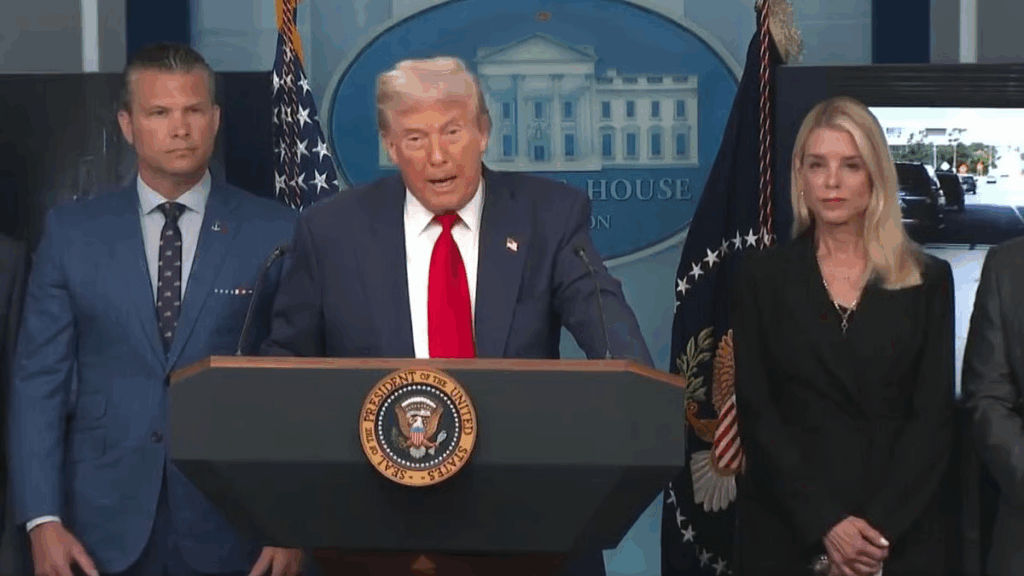
On August 11, 2025, President Donald Trump declared “Liberation Day in DC”, announcing a sweeping security action: placing the Metropolitan Police Department under federal control and deploying 800 National Guard troops to the nation’s capital.
Trump invoked Section 740 of the District of Columbia Home Rule Act. This rarely used provision gives the president authority to assume direct command over DC’s police during “conditions of an emergency nature.”
While Trump cited spiraling crime and homelessness, his move comes despite Justice Department data showing DC’s violent crime rate in 2024 was the lowest in 30 years. The decision has already sparked a heated debate about federal overreach, local autonomy, and the establishment of precedent.
What is the Home Rule Act?
The District of Columbia Home Rule Act, passed by Congress in 1973, allows DC residents to elect their own mayor and council, giving the city a degree of self-governance. However, because DC is not a state, Congress, and by extension, the president, retains ultimate control.
Key points about Home Rule:
- Local autonomy: DC can pass laws, set budgets, and run municipal services without prior federal approval.
- Federal oversight: Congress can override DC laws, and the president can assume control of local agencies under certain conditions.
- Section 740 authority: This specific clause allows the president to take control of the Metropolitan Police Department during emergencies.
Home Rule in broader U.S. governance
In U.S. municipal law, “home rule” generally refers to a system where local governments can manage their own affairs without needing approval from the state. However, the scope varies:
- Home Rule states: Local governments have broad authority unless specifically restricted.
- Dillon’s Rule states: Local governments can only exercise powers explicitly granted by the state legislature.
- Hybrid systems: Some states apply both principles depending on the municipality or issue.
For DC, the Home Rule Act is unique, it is not about state vs. local authority, but federal vs. district governance.
Limitations and challenges of Home Rule Act
Even with Home Rule authority, local governments, including DC, face constraints:
- Funding dependence: Limited revenue options often force reliance on higher-level government funding, which can come with conditions.
- Preemption: If a local law conflicts with federal law, it can be overturned.
- Inconsistent regulations: Local laws can vary widely between neighboring municipalities, confusing for residents and businesses.
The advantage, however, is local representation. Elected officials often better understand community needs and can tailor policies accordingly.
Why Trump says DC needs federal control
At his press briefing, Trump used stark language to describe the capital:
“Our capital city has been overtaken by violent gangs and bloodthirsty criminals, roving mobs of wild youth, drugged-out maniacs, and homeless people.”
The president compared DC’s crime rates to cities like Baghdad and Bogotá, promising to “get rid of the slums” and move homeless individuals out of public spaces.
His plan includes:
- Deploying 800 National Guard troops to assist the DC police.
- Clearing homeless encampments from underpasses and public spaces.
- Removing what he calls “slums” from the city.
Historical context: When has Section 740 been used before?
While DC has seen National Guard deployments in events like the 1968 riots, 9/11, and January 6, direct presidential control of the DC police is rare.
The most comparable example predates the 1973 Act, in 1968, federal forces assumed control after Martin Luther King Jr.’s assassination led to widespread unrest. Since then, Section 740 has been treated as an extraordinary measure.
The political and legal storm ahead
Trump’s move is likely to face:
- Local resistance: DC officials have historically defended their right to self-governance.
- Legal challenges: Opponents may argue the situation does not meet the “emergency” threshold under Section 740.
- Partisan fallout: With midterms approaching, the decision could deepen political divides over public safety and federal power.
For supporters, the action is a necessary intervention to restore safety and order in a city that houses the federal government. For critics, it’s a dangerous precedent for bypassing elected local leadership.