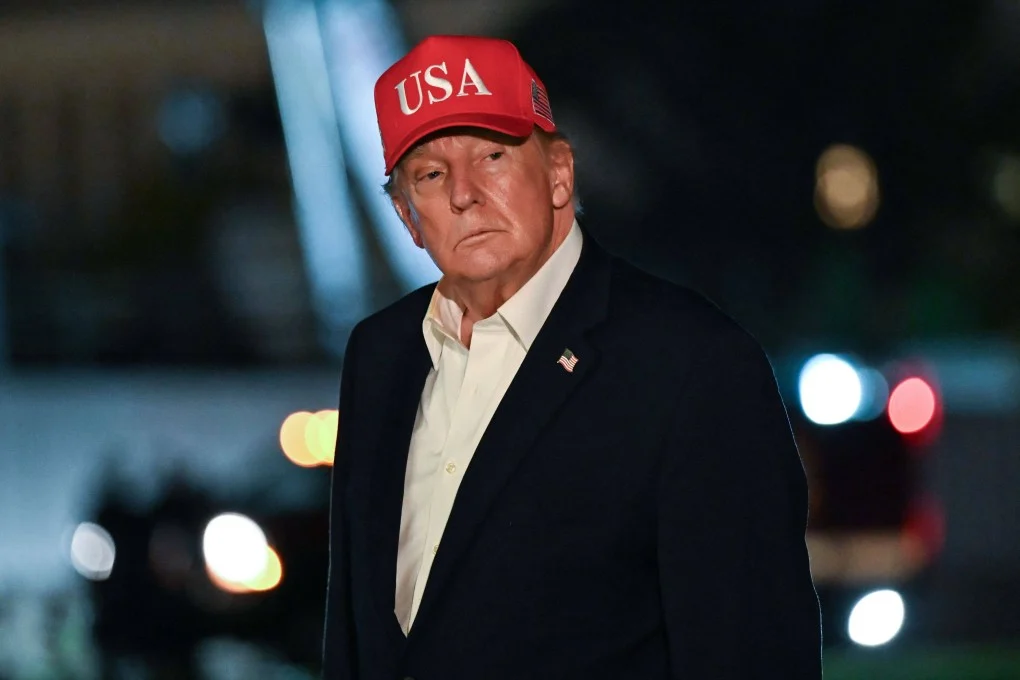
Just hours before what many feared would be a major escalation, the trajectory of the U.S.–Iran conflict shifted dramatically. A two-week ceasefire—announced minutes before a critical deadline set by Donald Trump—paused what had been building into a potentially prolonged regional war.
The abrupt turnaround capped more than five weeks of hostilities that had pushed the Gulf to the brink, with both sides preparing for sustained confrontation.
What Changed at the Last Minute?
Until Tuesday evening, the outlook was grim. Iran was bracing for a large-scale U.S. strike, while Iran signalled readiness for a broader campaign. Iranian markets were jittery, and regional actors were preparing for spillover.
Then came the unexpected: a coordinated announcement from both sides confirming a temporary ceasefire.
Key Terms of the Ceasefire
- Iran agreed to halt attacks on the U.S., Israel, and regional targets
- Immediate reopening of the Strait of Hormuz
- The U.S. signaled a pause in expanded military action
- The agreement does not cover ongoing tensions involving Hezbollah in Lebanon
Why this matters: The Strait of Hormuz alone carries roughly a fifth of the world’s oil supply. Any disruption—or reopening—has immediate global economic implications.
How Did the Deal Come Together?
Behind the scenes, what looked like a last-minute reversal was actually the result of intense, multi-country diplomacy.
The “Chaotic Day” of Negotiations
According to Axios, negotiations unfolded rapidly:
- U.S. envoy Steve Witkoff initially rejected Iran’s proposal as a “disaster”
- Multiple drafts were exchanged throughout the day
- Mediators worked to bridge gaps between hardline positions
Who Were the Key Mediators?
- Pakistan
- Turkey
- Egypt
These countries acted as intermediaries, passing proposals and revisions between Washington and Tehran when direct communication was limited.
What Role Did Iran’s New Supreme Leader Play?
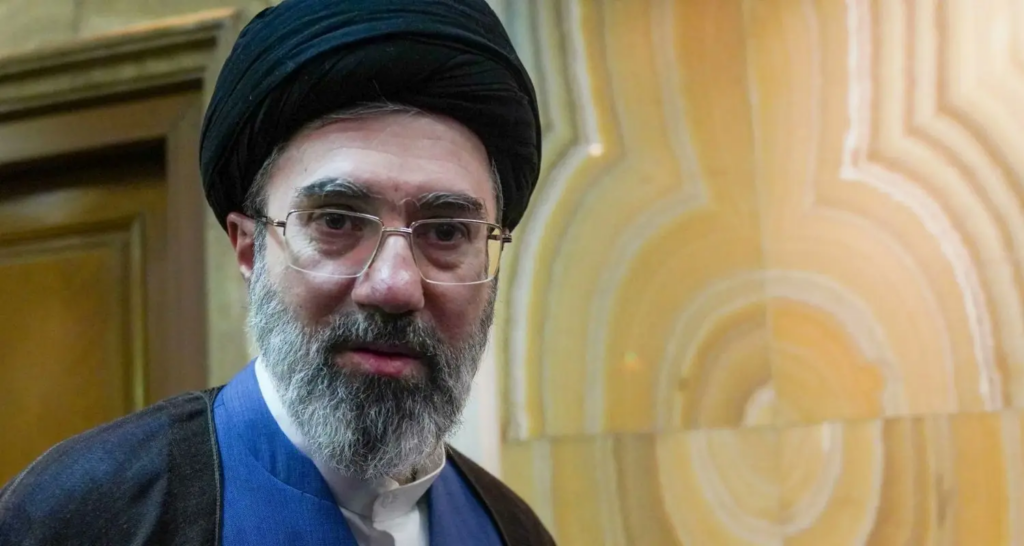
A central figure in Iran was Mojtaba Khamenei, who appears to have taken an active leadership role during the crisis.
An Intervention
- Authorized negotiators to pursue a ceasefire
- Communicated through intermediaries due to security concerns
- Ultimately, approve the deal by Monday night
This marks one of the first major foreign policy decisions under his leadership, following the tenure of Ali Khamenei.
Reports and Rumors
Conflicting reports had earlier suggested Mojtaba Khamenei was:
- Seriously ill and undergoing treatment in Qom
- Possibly receiving medical care in Russia
However, subsequent reporting indicates he remained actively involved—albeit under tight security conditions amid reported assassination threats.
Why this matters: Leadership stability in Iran directly influences regional diplomacy. Khamenei’s decision signals a willingness—at least temporarily—to de-escalate.
How Did China Influence the Outcome?
While not publicly front and center, China played a quiet but significant role in nudging things forward.
Behind-the-Scenes Pressure
According to The New York Times:
- Beijing urged Iran to show flexibility
- Chinese diplomats engaged in extensive outreach
- Foreign Minister Wang Yi held over two dozen calls with counterparts
China’s message was consistent: de-escalate and stabilise the region.
Even Trump acknowledged Beijing’s influence, suggesting it helped bring Iran to the table.
Official Position
Chinese Foreign Ministry spokeswoman Mao Ning reiterated that Beijing supports:
- Ceasefire agreements
- Political and diplomatic solutions
- Long-term regional stability
Why this matters: China’s growing diplomatic footprint in the Middle East reflects its broader ambition to act as a global mediator—especially in conflicts involving U.S. adversaries.
What About Iran’s Negotiating Team?
Iran’s diplomatic push was led by Abbas Araghchi, who played a critical role in aligning political and military factions.
Coordination
- Worked to secure buy-in from the Revolutionary Guards
- Balanced hardline demands with diplomatic realities
- Helped translate leadership directives into actionable proposals
This internal consensus-building was essential to making the ceasefire viable.
What Happens Next?
The ceasefire is temporary—just two weeks—and fragile.
Key Questions Going Forward
- Will both sides honor the terms?
- Can this pause lead to a longer-term agreement?
- What happens if talks collapse again?
Notably, the deal excludes conflicts involving Hezbollah, leaving a major flashpoint unresolved.
Risks Still in Play
- Renewed military escalation
- Proxy conflicts across the region
- Disruptions to global energy markets
Why This Ceasefire Matters Globally
This isn’t just a regional story—it has global implications.
Economic Impact
- Stability in oil supply routes
- Reduced immediate pressure on energy prices
Geopolitical Signals
- Iran showing tactical flexibility
- The U.S. recalibrating its response
- China emerging as a diplomatic player
Strategic Takeaway
This highlights a broader truth: even in high-stakes conflicts, diplomacy—often messy and opaque—can still shift outcomes at the last minute.
TL;DR
- The U.S. and Iran agreed to a two-week ceasefire minutes before escalation
- Mediators including Pakistan, Turkey, and Egypt played key roles
- Iran’s Supreme Leader Mojtaba Khamenei approved the deal
- China quietly pushed for de-escalation behind the scenes
- The ceasefire pauses—but does not resolve—the broader conflict