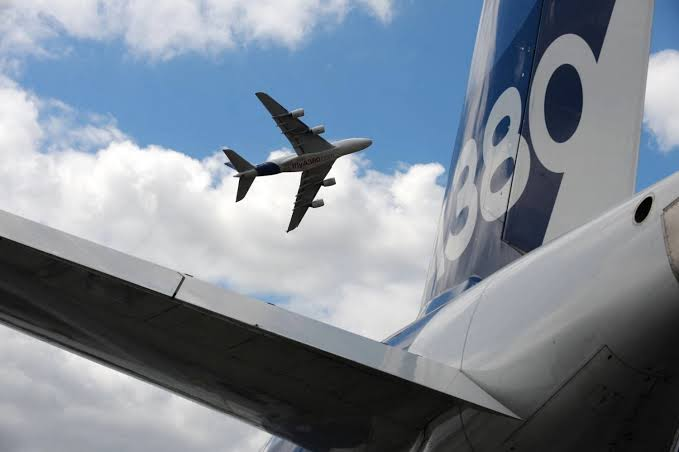
Airbus has ordered inspections of several superjumbo A380 aircraft after cracks were discovered in a critical wing component on planes operated by Emirates and Qantas. The inspections come after European aviation regulators raised concerns about the structural integrity of a beam that helps carry aerodynamic loads during flight.
The move affects 16 aircraft and has prompted urgent inspections for five Emirates-operated jets. While there is currently no indication that passengers are at immediate risk, aviation authorities want to determine whether repairs are necessary before the affected aircraft continue normal operations.
Why is Airbus inspecting A380 aircraft?
The inspections were ordered after engineers identified cracks in a structural beam located within the wing assembly of certain Airbus A380 aircraft.
This beam plays an important role in distributing aerodynamic forces generated during flight. Any signs of cracking in such a component require detailed examination to ensure the aircraft continues to meet safety standards.
The European Union Aviation Safety Agency (EASA) subsequently directed operators to inspect affected aircraft.
What part of the aircraft is affected?
The issue involves a wing-spar structure, a major load-bearing element inside the wing.
What does a wing spar do?
Wing spars are among the most critical structural components of an aircraft. They:
- Support the weight of the wing.
- Help distribute aerodynamic loads.
- Absorb stresses during takeoff and landing.
- Maintain the wing’s structural integrity throughout flight.
Because the wing spar experiences significant stress during every flight, even small cracks can trigger regulatory inspections.
Which airlines are affected?
According to Airbus, the aircraft requiring inspection share a similar production history.
Affected operators include:
- Emirates: 15 aircraft
- Qantas: 1 aircraft
Emirates operates the world’s largest A380 fleet and accounts for more than half of all active A380 aircraft currently in service.
Five Emirates aircraft have been prioritized for immediate inspections.
Is this the first time the A380 has faced wing-related issues?
No.
The Airbus A380 has experienced previous wing-related inspection campaigns.
In 2012, regulators ordered inspections across the global A380 fleet after cracks were discovered in brackets connecting the wing skin to internal structural ribs.
Those issues were eventually addressed through repairs and modifications, allowing the aircraft to continue operating safely.
The latest concern involves a different wing component but once again highlights the importance of continuous structural monitoring in large commercial aircraft.
How will Airbus conduct the inspections?
Airbus has identified aircraft with similar manufacturing characteristics and production histories.
Inspection plan
Immediate inspections
Five Emirates aircraft will undergo urgent examination beginning as soon as possible.
Scheduled inspections
The remaining 11 aircraft can continue operating temporarily but must be inspected before reaching regulatory limits.
According to the guidance:
- Inspections must occur before the aircraft completes 13 additional flights, or
- Before accumulating 25 additional flight cycles.
A flight cycle generally refers to one takeoff and one landing.
Will the aircraft need repairs?
That remains unclear.
The purpose of the inspections is to determine:
- Whether cracks are present.
- The extent of any structural damage.
- Whether repairs or component replacements are required.
Airbus is expected to discuss inspection findings with EASA before deciding on any broader corrective actions.
What is the Airbus A380?
The A380 is the world’s largest passenger aircraft and one of the most recognizable commercial jets ever built.
Airbus A380 entered service in 2007 and was designed to accommodate high-capacity long-haul travel.
Major A380 operators include:
- Emirates
- Singapore Airlines
- British Airways
- Qantas
- Lufthansa
- Qatar Airways
- Etihad Airways
Although Airbus ended A380 production in 2021, the aircraft remains a key part of several international fleets.
Why does this matter?
Aviation regulators closely monitor structural issues because even minor defects can worsen over time under repeated flight loads.
The discovery of cracks does not necessarily indicate an immediate danger, but it does trigger precautionary measures designed to maintain safety standards.
For airlines, inspections may lead to temporary scheduling adjustments if aircraft need repairs or are removed from service for maintenance.
For passengers, the inspections are part of routine aviation safety procedures intended to identify and address issues before they become operational concerns.
TL;DR
- Airbus is inspecting 16 A380 aircraft after cracks were found in a key wing structure.
- Five Emirates-operated aircraft require immediate inspections.
- The affected component is a structural beam that bears significant flight loads.
- Fifteen of the aircraft belong to Emirates, while one is operated by Qantas.
- EASA has mandated inspections to assess potential safety risks.
- Airbus will determine whether repairs are required following the inspections.