Quick Summary
Nepal’s ban on 26 social media platforms triggered mass protests that have killed at least 19 and injured more than 300. While the ban was the spark, demonstrators say their anger also stems from corruption, authoritarian governance, and economic frustration. The outcome could reshape not only digital freedoms in Nepal but also broader debates over how governments regulate global tech platforms.
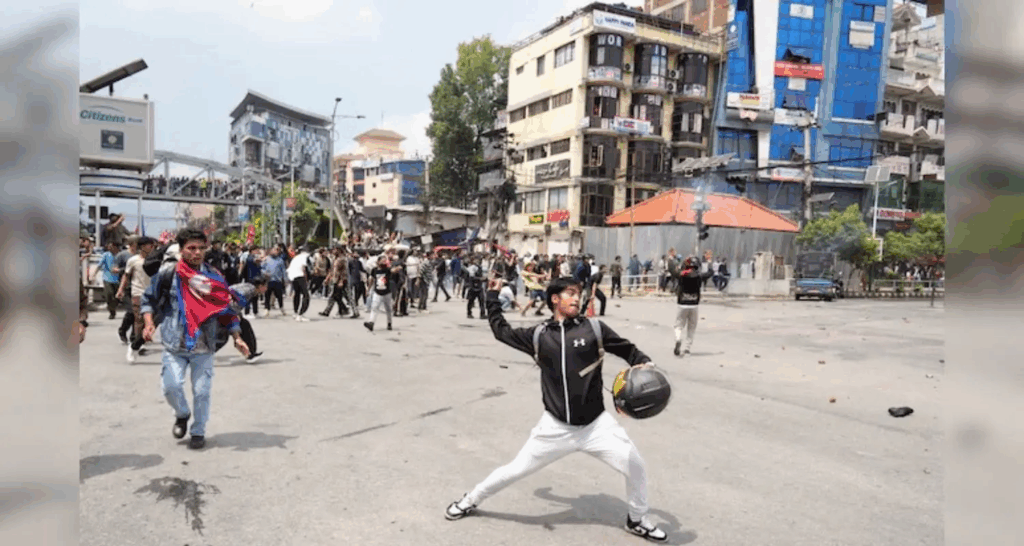
Nepal is facing its largest wave of street protests in years after Prime Minister KP Sharma Oli’s government banned 26 social media platforms, including Facebook, YouTube, Instagram, and X. The move has sparked unrest that has left at least 19 people dead and more than 300 injured, exposing deeper frustrations with corruption, governance, and the shrinking space for free expression in the Himalayan nation.
What triggered Nepal’s social media ban?
The Ministry of Communication and Information Technology ordered the ban after leading platforms failed to comply with government registration requirements.
- Social media companies were given until August 28 to register locally, name a grievance redressal officer, and designate a compliance officer.
- None of the global giants: Meta (Facebook, Instagram, WhatsApp), Alphabet (YouTube), X (formerly Twitter), LinkedIn, or Reddit complied with the order.
- Platforms like TikTok, Viber, and Nimbuzz remain available because they are registered with the government. Applications from Telegram and Global Diary are still under review.
The ban followed a Supreme Court directive in 2024 requiring foreign tech firms to set up points of contact in Nepal to ensure accountability.
How have protests escalated?
What began as a backlash against the social media ban quickly escalated into a wider anti-government movement:
- Protests first erupted in Kathmandu before spreading to Baneshwor, Singhadurbar, and Narayanhiti.
- Authorities imposed curfews and deployed the Army in New Baneshwor after demonstrations turned violent.
- Police fired rubber bullets and tear gas, while protest leaders urged crowds to avoid being provoked by outside groups.
A video circulating online captured the anger of young protesters, with one saying: “When the leaders’ sons and daughters have a bright future, where is ours?”
Why are protesters angry beyond the ban?
For many Nepalese, the shutdown of platforms like Facebook and Instagram was only the breaking point. The protests are also fueled by:
- Corruption: Protesters accuse the government of institutionalizing corruption and failing to address economic stagnation.
- Youth frustration: With around 13.5 million Facebook users and 3.6 million Instagram users, many young entrepreneurs and small businesses rely on these platforms for income. The ban cut off key economic lifelines.
- Democratic concerns: Students and activists view the restrictions as authoritarian, limiting free speech and civic participation.
“We were triggered by the social media ban, but that is not the only reason we are gathered here,” said 24-year-old student Yujan Rajbhandari. Another protester, Ikshama Tumrok, 20, told AFP: “We want to see change. Others have endured this, but it has to end with our generation.”
How is the government defending its move?
The Oli government insists the ban is about regulation, not repression.
- Officials argue that unregistered platforms pose risks, including online fraud, money laundering, and disinformation.
- In a Sunday statement, the government stressed it “respects freedom of thought and expression” and is committed to ensuring an environment for “unfettered use” of digital tools — but within the law.
- The government had earlier banned Telegram, citing misuse, and previously banned TikTok in 2024 before lifting restrictions once it agreed to Nepali regulations.
Why does this matter beyond Nepal?
Nepal’s confrontation with social media companies reflects a growing global trend: governments seeking more control over digital platforms operating within their borders.
- India has introduced rules requiring global firms to appoint local grievance officers.
- Nigeria briefly banned Twitter in 2021 after a dispute over content moderation.
- European Union laws under the Digital Services Act now require major platforms to maintain compliance frameworks in member states.
For Nepal, however, the stakes are higher. With limited job opportunities, social media has become a vital platform for small businesses, influencers, and freelancers. Cutting access not only threatens free expression but also economic livelihoods.
What comes next?
The Oli government has called an emergency cabinet meeting to address the crisis, but the protests show no signs of fading. The outcome may depend on whether the government:
- Relaxes or negotiates the ban with social media companies.
- Takes stronger action against dissent, which risks further inflaming unrest.
- Offers reforms addressing corruption and youth disillusionment.
The crisis underscores a core question: Can Nepal regulate Big Tech without silencing its citizens?