Quick Summary
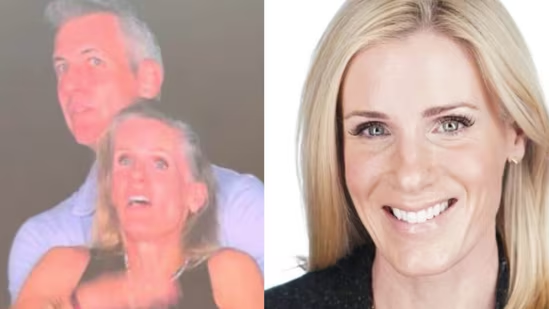
Astronomer CEO Andy Byron resigned after a viral “Kiss Cam” moment with Chief People Officer Kristin Cabot at a Coldplay concert. Cabot, however, remains on leave, not fired, sparking debate over unequal accountability. Legal experts suggest the company may be handling her case more cautiously to avoid liability or is negotiating a severance behind the scenes.
What happened during the Coldplay concert?
A brief moment captured on the “Kiss Cam” at a Coldplay concert in Boston has resulted in one of the biggest executive scandals of 2025. Andy Byron, then CEO of enterprise software company Astronomer, was caught on live feed with the firm’s Chief People Officer, Kristin Cabot. The video quickly went viral, igniting social media backlash and internal scrutiny.
Byron resigned shortly after the incident, but Cabot, a senior HR executive, was merely placed on leave. This difference in outcome has triggered significant public debate and criticism, especially in corporate circles, about accountability and optics in workplace relationships.
Why did Andy Byron resign but not Kristin Cabot?
Leadership optics vs. HR protocols
According to legal experts cited in a New York Post report, the divergence in how the two executives were treated may stem from several key factors, beginning with their roles.
- Byron, as CEO, is the most public-facing figure in any company. His continued presence risked deeper reputational damage.
- Cabot, as Chief People Officer (CPO), plays a behind-the-scenes leadership role that demands procedural caution in disciplinary matters.
While Byron’s resignation was likely swift and voluntary in response to external pressure, Cabot’s employment situation appears far more legally nuanced.
Legal risks and due process
Termination of an HR executive, particularly one involved in personal conduct with a superior, demands procedural rigor. A wrongful dismissal could expose the company to lawsuits.
As one employment attorney explained:
“In a real-world big company, you can’t just fire someone because the headlines are ugly.”
Even if the conduct was inappropriate, a company like Astronomer would be obligated to conduct a formal internal review, assess policies on workplace relationships, and possibly negotiate an exit agreement if it opts to part ways.
Potential behind-the-scenes negotiations
Another legal source suggested to the Post that Cabot might already be in severance talks.
“If you were to look up ‘cause’ for termination in the dictionary, you’d probably see a photo of the head of HR having a public affair with the CEO,” one attorney said, “but if there’s a negotiation in progress, they’ll avoid sudden moves.”
This implies that Cabot’s job status could change in the coming weeks, just not in a headline-grabbing manner.
Could Cabot’s side of the story shift public perception?
Attorney Douglas Wigdor, who spoke to the New York Post, raised an important point: we may not yet have the full picture.
“Maybe there’s more to the story from her,” he said. “The clip is short and doesn’t show what happened before or after.”
Cabot has not issued a public statement. Notably, she has deactivated her LinkedIn profile since the scandal broke, a move interpreted by many as an attempt to shield herself from online backlash.
It’s unclear whether Cabot will speak out or whether Astronomer will release a formal update on her status. But with public interest growing and employees reportedly demanding clarity, silence may not be sustainable for long.
Why does this matter for workplace culture?
Double standards or deliberate caution?
The contrasting consequences between Byron and Cabot raise uncomfortable questions for corporate America:
- Are male CEOs held to higher public standards than female executives?
- Or is Astronomer simply moving cautiously with its HR lead to avoid legal exposure?
Critics argue that failing to treat both parties equally undermines internal accountability, particularly given Cabot’s HR role — a position designed to enforce ethics and prevent misconduct.
At the same time, many employment experts warn against rushing to judgment without understanding internal company policies on executive relationships, consent, and reporting structures.
Impact on company credibility and HR integrity
This incident does more than damage reputations; it strikes at the credibility of Astronomer’s leadership. If an HR chief is involved in a publicly inappropriate moment with the CEO, employees may lose confidence in internal reporting systems.
That risk compounds if the company appears to be shielding one executive while ousting another.
For Astronomer to recover, transparency and clear communication, both internally and externally, will be essential.
What’s next for Astronomer?
- Byron has been removed from Astronomer’s leadership page and is no longer affiliated with the company.
- Cabot is on leave, with her long-term employment status unknown.
- No replacement has been announced for either role, and company leadership has made no further public comment.
If a negotiated departure is indeed underway for Cabot, expect a formal announcement in the coming weeks — likely accompanied by a quiet settlement and a mutual NDA.
But unless Astronomer communicates a firm stance on workplace conduct, it may continue facing internal and public distrust.