TL;DR
Elon Musk is escalating his feud with the European Union after regulators fined X €120 million under the Digital Services Act. Calling the penalty “insane” and “bullshit,” Musk argued the EU should be dismantled and power returned to individual nations. European officials say X repeatedly violated transparency rules on blue checkmarks, advertising data, and researcher access. U.S. lawmakers are backing Musk, framing the fine as an attack on American tech companies.
What Sparked Musk’s Latest Clash With the European Union?
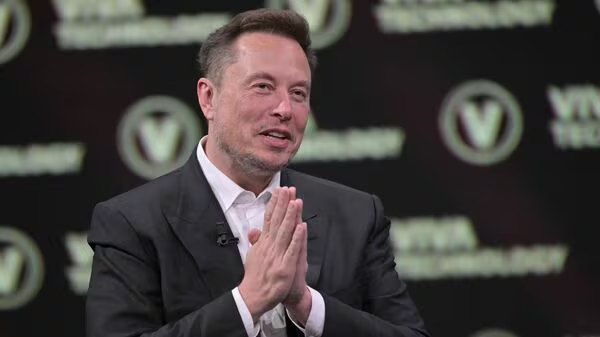
Elon Musk has never shied away from attacking regulators, but his comments on Saturday took the fight to a new level. In a post on X, the Tesla and SpaceX CEO said the European Union should be abolished, arguing that “sovereignty returned to individual countries” would better reflect the will of their citizens.
His remarks come just days after Brussels issued a €120 million ($140 million) penalty against his social media platform X for allegedly violating Europe’s sweeping Digital Services Act (DSA)—a law requiring major platforms to manage disinformation, improve data access for researchers, and offer clear safeguards against scams.
What Musk Said and Why
In multiple posts, Musk blasted the DSA ruling and accused regulators of singling him out.
He called the fine:
- “Crazy”
- “Insane”
- “Bullshit”
He also alleged that the EU’s actions were personal, urging his followers to hold both the bloc and individual officials accountable. Musk did not provide evidence for the claim that he was specifically targeted.
His framing aligns with earlier disputes: since buying Twitter in 2022, Musk has repeatedly criticized European rules he sees as censorship disguised as safety measures.
Why X Was Fined Under the Digital Services Act
The EU says the decision came after a two-year investigation and cites three major violations. X is the first platform fined under the new law.
1. Deceptive Blue Checkmarks €45 Million
X’s paid blue verification badges mislead users, according to the EU. Regulators argue that the system:
- Makes it harder to distinguish authentic accounts from impostors.
- Enables fraud by blurring identity signals.
- Fails to meaningfully verify who is behind an account.
Brussels considers this a “deceptive design” tactic, an issue the DSA explicitly prohibits.
2. Flawed Ad Transparency €35 Million
Large platforms must maintain a searchable advertising database showing who paid for ads, how they were targeted, and how much they spent. Regulators say X’s system has:
- Built-in limitations
- Delays in data availability
- Obstacles that prevent researchers from finding influence operations or scam campaigns
3. Barriers for Researchers €40 Million
The EU says X placed “unnecessary barriers” on academics trying to access public data—information crucial for studying:
- Hate speech trends
- Election interference
- Coordinated disinformation campaigns
Regulators argue that the platform’s opacity increases systemic risk during major elections.
How U.S. Officials Reacted: ‘An Attack on America’
Musk isn’t the only high-profile American critic of the decision. Several U.S. lawmakers denounced the ruling within hours of the news breaking.
Statements from Washington:
- Vice President JD Vance accused the EU of using censorship as a tool to punish American companies.
- Secretary of State Marco Rubio called the penalty “an attack on all American tech platforms and the American people,” arguing that foreign governments should not dictate how U.S.-based platforms moderate speech.
This level of federal-level reaction is rare for a regulatory dispute involving a private company, underscoring how the X–EU fight has evolved into a geopolitical flare-up.
What’s Next for X and the EU?
X can appeal the ruling, though the DSA gives Brussels broad enforcement power. The platform also faces multiple ongoing investigations in Europe related to:
- Content moderation cuts
- Disinformation spikes after major events
- Handling of illegal content and hate speech
If X continues to fall short of the DSA’s obligations, penalties could rise to 6% of global annual revenue, a number far beyond the current one.
Meanwhile, Musk’s call to “abolish the EU” is unlikely to gain traction, but it highlights the increasingly confrontational tone between Silicon Valley and European regulators.