
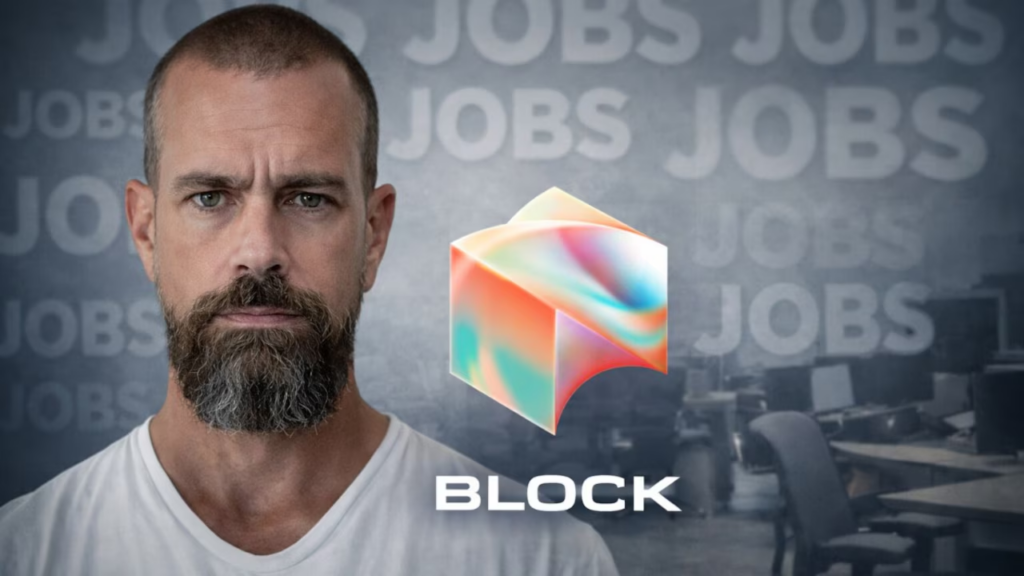
In a surprising reversal, fintech company Block has begun rehiring some employees just weeks after cutting more than 4,000 roles, nearly 40% of its workforce.
The move, led by CEO Jack Dorsey, highlights a growing tension in the tech industry: companies racing to cut costs while trying not to lose critical talent in the process.
What Happened at Block?
In February 2026, Block carried out one of its largest workforce reductions to date:
- Over 4,000 employees laid off
- Roughly 40% of the company’s workforce impacted
- Cuts spread across multiple departments
But by March, the company quietly began reversing course—bringing back select employees across engineering, recruiting, and creative roles.
Some returns happened within days. Others took weeks.
Why Is Block Rehiring After Mass Layoffs?
At first glance, layoffs followed by rehiring might look chaotic. But the reasons reveal deeper operational and strategic issues.
1. Admission of Mistakes
Jack Dorsey acknowledged early on that the layoff process wasn’t perfect.
He told employees the company may have “gotten some of them wrong” and emphasized flexibility to correct those decisions.
That’s notable. CEOs rarely publicly admit execution errors during layoffs—especially at this scale.
2. Critical Talent Was Lost
Layoffs often rely on:
- Performance metrics
- Team restructuring models
- Cost-cutting targets
But these systems don’t always capture:
- Institutional knowledge
- Team dependencies
- Role-specific expertise
In Block’s case, some employees who were let go turned out to be essential.
3. Operational Disruptions
When large portions of a workforce are cut quickly, companies can face:
- Project delays
- Hiring bottlenecks
- Loss of continuity in key teams
Rehiring becomes less about reversing a decision and more about stabilizing operations.
Real Stories Behind the Rehiring
The rehiring process wasn’t just strategic—it was also deeply personal.
“Clerical Error” Layoff
Andrew Harvard, a design engineer, said his termination was due to a clerical mistake.
He was later contacted and offered his role back, which he accepted.
This raises serious questions about how decisions were executed during the layoffs.
Advocacy From Within
Matt Morris, a recruiter, described his experience as a “whirlwind.”
- His manager advocated for him
- The case escalated all the way to the CEO
- He was ultimately rehired
This suggests internal pushback played a role in correcting decisions.
Public Reactions
Chane Rennie, a creative strategy lead, expressed relief at being brought back.
Meanwhile, Richard Hesse—who wasn’t laid off but saw his entire team cut—reportedly pushed back hard, even threatening to leave unless changes were made.
These reactions point to a broader morale issue inside the company.
What This Says About Layoffs in Tech
Block’s situation isn’t unique, but it is unusually visible.
Layoffs Are Increasingly Imperfect
Large-scale layoffs often prioritize speed over precision.
That leads to:
- Overcuts (removing too many people)
- Wrong cuts (removing the wrong people)
Block’s rehiring suggests both may have happened.
The Cost of Getting It Wrong
Rehiring isn’t just a correction—it’s expensive.
Costs include:
- Re-onboarding employees
- Lost productivity during the gap
- Damage to the employer brand
Employees may also return with:
- Lower trust
- Higher expectations
- Increased willingness to leave again
A Shift in Power Dynamics
When companies rehire laid-off workers, it subtly shifts leverage back to employees.
Workers who return know:
- They are valuable
- The company made a mistake
- Their role is harder to replace than initially assumed
Why This Matters Beyond Block
This story reflects a broader trend across the tech and startup ecosystem.
1. The End of “Aggressive Cutting” as a Strategy
For years, companies used layoffs as a quick way to:
- Boost profitability
- Reassure investors
- Reset operations
But cases like Block show the risks of cutting too deeply, too quickly.
2. Talent Is Still Scarce
Even in a cooling job market:
- Specialized roles (engineering, product, AI) remain hard to fill
- Losing the wrong person can set teams back months
3. Reputation Matters More Than Ever
In the age of social media:
- Layoffs are public
- Rehiring stories spread quickly
- Employer reputation can shift overnight
Block’s transparency—especially Dorsey’s acknowledgment—may soften criticism, but it also confirms missteps.
What Companies Can Learn From This
Block’s experience offers a few clear lessons:
Build Flexibility Into Layoff Plans
- Allow for reversals without friction
- Keep communication channels open
Prioritize Context, Not Just Data
- Metrics alone don’t tell the full story
- Managers should have strong input
Move Slower, Even Under Pressure
- Speed increases error rates
- Precision matters more than optics
TL;DR
- Block laid off over 4,000 employees (40% of workforce) in February
- CEO Jack Dorsey admitted some decisions may have been wrong
- The company has since rehired several employees across departments
- Some layoffs were due to errors, others reversed after internal advocacy
- The situation highlights the risks of large-scale, rapid layoffs in tech