
Quick Summary
Jaguar Land Rover CEO Adrian Mardell is stepping down after a turbulent period at the company, punctuated by a divisive brand relaunch. The automaker’s “Copy Nothing” campaign, which leaned heavily into DEI-themed messaging and avant-garde visuals, drew widespread social media backlash. Mardell’s exit marks the end of a three-decade tenure and raises fresh questions about brand identity, leadership, and what modern consumers really want from a luxury carmaker.
Why is the CEO of Jaguar stepping down?
Jaguar Land Rover announced that Adrian Mardell, the company’s CEO since 2023, is set to retire after over 30 years with the brand. While the official statement characterized the move as a retirement, the timing—just months after an aggressively “woke” rebrand campaign—has led many to speculate whether mounting criticism played a role in his departure.
Under Mardell’s leadership, the British luxury carmaker pursued a dramatic shift in tone and image, attempting to reposition itself for a younger, more progressive audience. The results, however, were polarizing.
What was the “Copy Nothing” campaign?
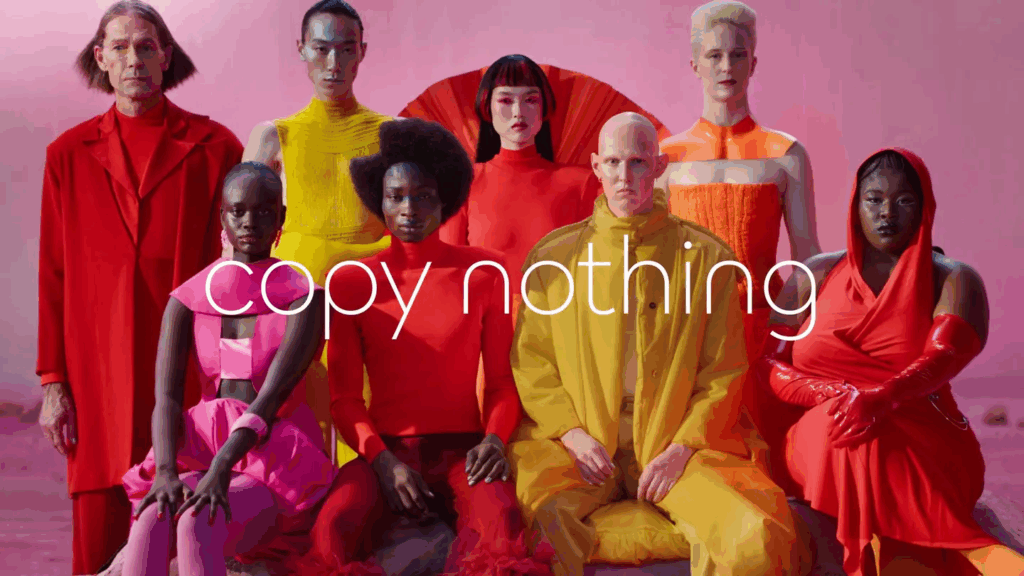
Jaguar’s new brand campaign titled “Copy Nothing” aimed to reboot the company’s public image, shedding its traditional luxury identity in favor of a bold, progressive aesthetic.
The 30-second ad featured:
- Androgynous models in flamboyant, colorful clothing
- A man wearing a dress
- Slogans like “Live Vivid,” “Delete Ordinary,” and “Break Moulds”
- Notably, no car appeared in the entire commercial
The tagline, “Copy Nothing,” was meant to signal individualism, creativity, and rule-breaking innovation. But the message backfired for many online viewers who accused the brand of prioritizing politics and social signaling over the actual product, luxury automobiles.
Public reaction: A PR stunt gone sideways?
The backlash was swift. The ad garnered nearly 47 million views in just 24 hours, but the engagement wasn’t all positive.
Here are a few standout reactions:
- Robby Starbuck, conservative activist: “This just made me want to sell my Jaguar and I don’t even own a Jaguar.”
- Jon Gabriel, columnist: “This is so the wrong timing for this. I can understand the C-suite being conned into this in 2022, but you have completely misread the moment. Bud Light 2.0.”
Comparisons to Bud Light’s controversial marketing missteps surfaced repeatedly, suggesting Jaguar may have overestimated how far consumers are willing to go with brands that shift from product to politics.
Jaguar’s response to the criticism
Jaguar stood firm—at least publicly. A company spokesperson told FOX Business:
“Our brand relaunch for Jaguar is a bold and imaginative reinvention… As proud custodians at such a remarkable point in Jaguar’s history, we have preserved iconic symbols while taking a dramatic leap forward.”
The company insisted the rebrand was strategic and long-term, signaling that more changes would follow in the coming weeks.
The “Pink Batmobile”: Another PR misstep?
Not long after the ad, Jaguar unveiled a new electric vehicle prototype that social media users dubbed the “Pink Batmobile” due to its flashy, bubblegum-pink color and futuristic curves. Critics once again questioned whether the brand was prioritizing style over substance.
Dealership feedback hasn’t helped. Many dealers continue to express skepticism toward electric vehicles, citing poor demand and concerns over safety, range, and infrastructure. That raises concerns about Jaguar’s aggressive EV push, especially in the face of consumer hesitation.
Did the rebrand cost Jaguar its CEO?
There’s no confirmed link between the “Copy Nothing” campaign and Mardell’s departure, but the timing raises eyebrows.
It’s not uncommon for CEOs to exit shortly after bold—and sometimes bungled—initiatives. Brands like Bud Light and Target have also experienced leadership shakeups following marketing controversies. Mardell’s tenure may be remembered not for innovation but for alienating core customers while trying to chase a different kind of cultural capital.
What’s next for Jaguar?
Jaguar now faces a crucial inflection point:
- Rebuild brand trust among traditional luxury buyers
- Clarify its EV roadmap amid shifting consumer demand
- Rethink its marketing strategy in a hyper-polarized social landscape
Incoming leadership will need to walk a delicate line between staying relevant and staying grounded. While experimentation in branding is essential, Jaguar’s missteps show the risk of losing sight of product and audience in pursuit of buzz.
Key Takeaways
- Jaguar CEO Adrian Mardell is retiring amid backlash from the brand’s recent rebrand campaign.
- The “Copy Nothing” ad drew fierce criticism for being overly political and lacking any automotive focus.
- A flashy EV design dubbed the “Pink Batmobile” didn’t help Jaguar’s case with skeptical dealers and consumers.
- The company defended its rebrand as a necessary transformation, but the leadership shakeup suggests internal pressure.
- Jaguar’s next move will be critical to regaining consumer trust and defining its future in the luxury auto space.