
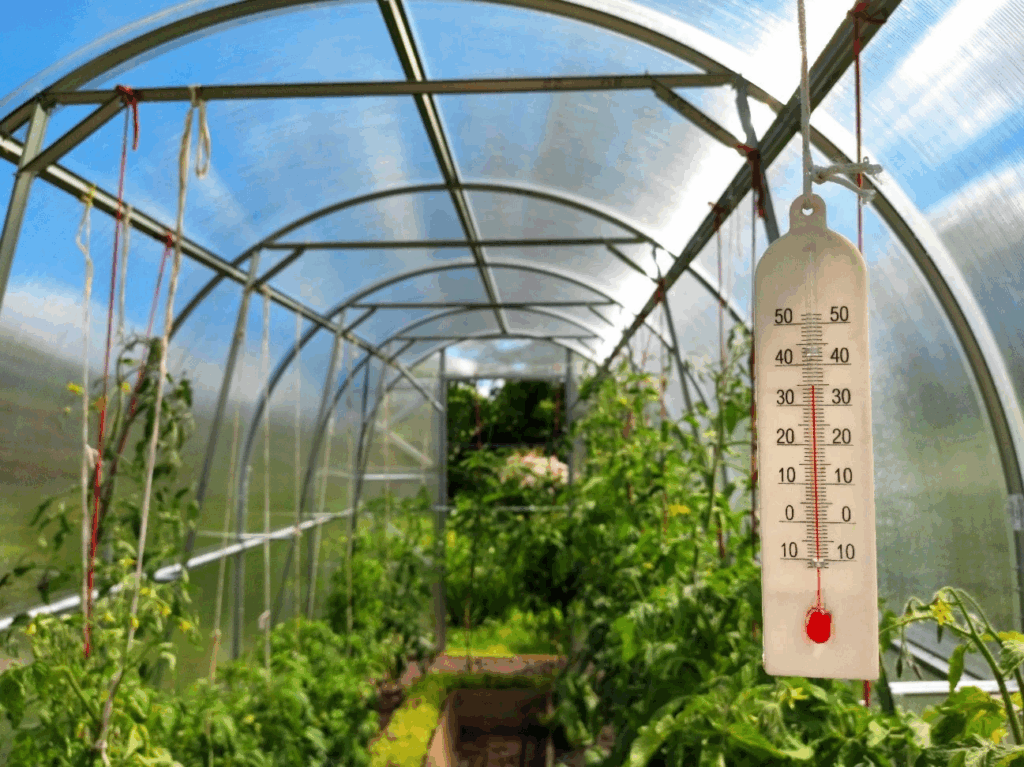
Your Garden Feels the Heat Too — Here’s How to Help It Survive
As heatwaves intensify across the globe, urban and suburban gardeners are facing a new challenge: how to keep their plants alive when temperatures soar past 100°F. With many U.S. regions already experiencing record-breaking heat in 2025, traditional gardening routines no longer cut it.
Whether you’re growing herbs on a balcony or maintaining raised beds in a backyard, here are DIY solutions to shield your plants and keep your green space thriving, without needing a professional irrigation system.
1. Build a DIY Shade Structure With What You Have
Old bedsheets, burlap, or even beach umbrellas can be turned into quick sun shelters. Use bamboo poles, PVC pipe, or wooden stakes to create shade tunnels or canopy tents over your most vulnerable crops.
Why it works: Reduces direct sun exposure and leaf scorch. Essential during midday heat spikes.
2. Mulch Like It’s a Heat Shield
A 2–3 inch layer of organic mulch (straw, leaves, wood chips) slows evaporation and insulates the soil. It keeps root zones cooler and helps retain moisture, critical during multi-day heat waves.
Pro Tip: Avoid using dyed or rubber mulches; they can trap excess heat.
3. Time Your Watering Right
Water early in the morning, before 9 AM. Evening watering can promote fungal growth if temperatures drop. Early irrigation ensures that plants absorb moisture before the sun evaporates it.
Bonus Hack: Bury a terracotta pot with a small hole at the bottom and fill it with water — a slow-release hydration trick known as an “olla.”
4. Use DIY Drip Bottles to Target Thirsty Plants
Upcycle old plastic bottles by poking 3–4 small holes near the base and burying them next to plants. Fill daily for deep, slow hydration that gets straight to the roots.
Why it helps: Conserves water and reduces surface evaporation.
5. Create Microclimates With Companion Planting
Tall or leafy plants (like sunflowers or corn) can provide natural shade for smaller, heat-sensitive plants. Trellising vining plants to create a green screen is another smart hack.
Why it matters: Mimics natural ecosystems and reduces localized heat stress.
6. Protect Containers and Raised Beds
Containers heat up faster than in-ground beds. Elevate pots off concrete, wrap them with burlap, or move them into partial shade during peak heat hours.
Pro Tip: Place containers inside larger planters or baskets to reduce radiant heat exposure.
TL;DR
Don’t let your garden wilt under 2025’s punishing heat. These DIY cooling tips—from shade cloths to drip bottles — are low-cost, high-impact ways to keep your plants healthy and hydrated.