
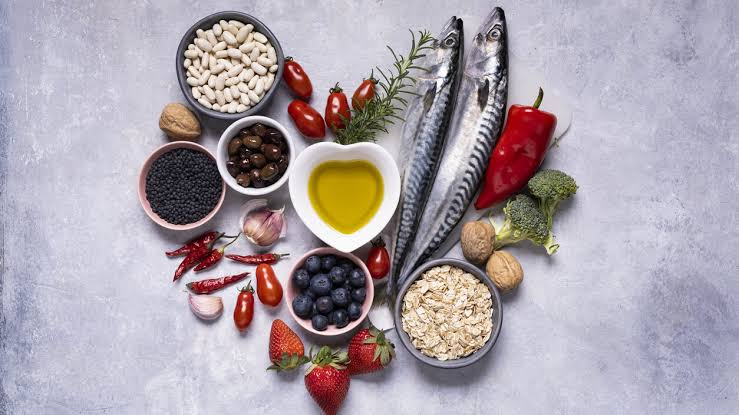
For decades, scientists have praised the Mediterranean diet for its links to better heart health, brain function, and longevity. Now, researchers believe they may have uncovered one of the biological mechanisms behind those benefits.
A new study led by researchers at the USC Leonard Davis School of Gerontology suggests that the Mediterranean diet may influence aging by boosting levels of two tiny proteins produced inside mitochondria—the energy-producing structures often referred to as the cell’s “powerhouses.” These proteins, known as humanin and SHMOOSE, appear to protect against oxidative stress, cardiovascular disease, and neurodegeneration, offering fresh insight into how diet may shape the aging process.
TL;DR
- Researchers found that people who closely followed a Mediterranean diet had higher levels of two protective mitochondrial microproteins: humanin and SHMOOSE.
- These proteins have been linked to healthier aging, improved cardiovascular health, and protection against neurodegenerative diseases such as Alzheimer’s.
- Olive oil, fish, legumes, and lower intake of refined carbohydrates were most strongly associated with increased levels of these proteins.
- The findings reveal a potential new biological pathway connecting nutrition, mitochondrial health, and longevity.
- Scientists say the proteins could eventually serve as biomarkers for measuring the health benefits of the Mediterranean diet.
What Did the Study Discover?
The study, led by Roberto Vicinanza, an instructional associate professor of gerontology at the USC Leonard Davis School, examined blood samples from older adults with varying levels of adherence to the Mediterranean diet.
Researchers found a clear pattern: participants who followed the diet most consistently had significantly higher blood concentrations of two mitochondrial microproteins—humanin and SHMOOSE.
Those participants also showed lower levels of oxidative stress, a form of cellular damage widely associated with aging and chronic diseases.
According to Vicinanza, these tiny proteins may help explain why the Mediterranean diet has consistently been linked to healthier aging.
“These microproteins may act as molecular messengers that translate what we eat into how our cells function and age,” Vicinanza said. “It’s a new biological pathway that helps explain why the Mediterranean diet is so powerful.”
What Are Mitochondrial Microproteins?
Most people know mitochondria as the structures that generate energy inside cells. However, scientists increasingly recognise that mitochondria perform many other essential functions.
Beyond producing energy, mitochondria send chemical signals that influence:
- Metabolism
- Inflammation
- Cellular stress responses
- Aging
- Disease progression
One of the newest discoveries in aging research is that mitochondria also produce extremely small proteins, known as microproteins, which regulate many of these processes.
Among the best studied are:
- Humanin
- SHMOOSE
Although tiny, these proteins appear to have outsized effects on cellular health.
How Does the Mediterranean Diet Affect These Proteins?
The Mediterranean diet emphasises foods rich in healthy fats, fibre, and antioxidants, including:
- Extra virgin olive oil
- Fish
- Legumes
- Fruits
- Vegetables
- Whole grains
- Nuts and seeds
It limits:
- Refined carbohydrates
- Highly processed foods
- Added sugars
- Excess saturated fats
Researchers discovered that several specific foods were particularly associated with higher levels of mitochondrial microproteins.
Foods linked to higher humanin levels
- Olive oil
- Fish
- Legumes
Foods linked to higher SHMOOSE levels
- Olive oil
- Lower consumption of refined carbohydrates
The findings suggest that individual dietary components may directly influence mitochondrial biology rather than simply improving overall nutrition.
Why Oxidative Stress Matters
One of the study’s most important findings involved oxidative stress, a process that damages cells over time.
Oxidative stress occurs when harmful molecules called reactive oxygen species (ROS) accumulate faster than the body can neutralize them.
Excessive oxidative stress can damage:
- DNA
- Proteins
- Cell membranes
Over many years, this damage has been linked to:
- Heart disease
- Type 2 diabetes
- Alzheimer’s disease
- Parkinson’s disease
- Cancer
- Age-related decline
Participants with higher levels of humanin and SHMOOSE had lower markers of oxidative stress, suggesting these proteins may help protect cells from age-related damage.
Humanin and SHMOOSE: Tiny Proteins With Big Potential
Although researchers only discovered these molecules relatively recently, they are quickly becoming important targets in aging research.
Humanin
First identified in 2003 by Pinchas Cohen and his research team, humanin has been associated with:
- Better insulin sensitivity
- Cardiovascular protection
- Longer lifespan in laboratory studies
- Reduced cellular stress
- Improved cognitive function
SHMOOSE
Discovered later by Cohen’s laboratory, SHMOOSE (Small Human Mitochondrial ORF Over SErine tRNA) appears to play an important role in maintaining brain health.
Research has shown that:
- Certain genetic variants of SHMOOSE increase Alzheimer’s disease risk.
- The normal form may help protect neurons from amyloid-related damage.
Amyloid plaques are among the hallmark biological features found in Alzheimer’s disease.
According to Cohen:
“These peptides are emerging as key regulators of aging biology. They connect mitochondrial function to diseases like Alzheimer’s and heart disease and now, potentially, to nutrition.”
Could These Proteins Become New Health Biomarkers?
One of the study’s most intriguing implications is that humanin and SHMOOSE could eventually serve as biomarkers.
A biomarker is a measurable biological indicator that reflects a person’s health or disease status.
If validated in larger studies, doctors could potentially use these proteins to:
- Measure adherence to the Mediterranean diet
- Monitor biological aging
- Assess cardiovascular health
- Evaluate interventions designed to promote healthy aging
Rather than relying solely on dietary questionnaires, future clinicians may be able to determine whether a person’s cells are actually responding to healthier eating habits.
A New Explanation for Heart Protection
Researchers also uncovered a possible relationship between humanin and Nox2, an enzyme involved in producing reactive oxygen species.
While ROS are essential for normal immune function and cell signaling, excessive activity contributes to chronic inflammation and tissue damage.
The study found that:
- Higher humanin levels were linked to lower Nox2 activity.
- Lower Nox2 activity corresponded with reduced oxidative stress.
This suggests the Mediterranean diet may protect the cardiovascular system through two complementary mechanisms:
- Directly reducing oxidative stress through antioxidant-rich foods.
- Increasing protective mitochondrial proteins that suppress harmful cellular pathways.
“This could represent a new cardioprotective mechanism of the Mediterranean diet,” Vicinanza said.
Why This Research Matters
The Mediterranean diet has long been associated with lower risks of cardiovascular disease, type 2 diabetes, dementia, and premature death. However, researchers have struggled to explain exactly how dietary patterns translate into healthier aging at the cellular level.
This study offers one of the strongest biological explanations yet.
Rather than simply supplying nutrients, Mediterranean foods may activate mitochondrial signaling pathways that help cells resist stress, maintain normal function, and age more slowly.
While the findings are promising, researchers caution that more studies are needed to determine whether raising levels of humanin and SHMOOSE directly causes improvements in health or simply reflects healthier biological aging.
Still, the discovery opens an exciting avenue for future research into nutrition, longevity, and preventive medicine.